
The Rise of Merchant Super-Apps in Africa: Combining Commerce and Finance

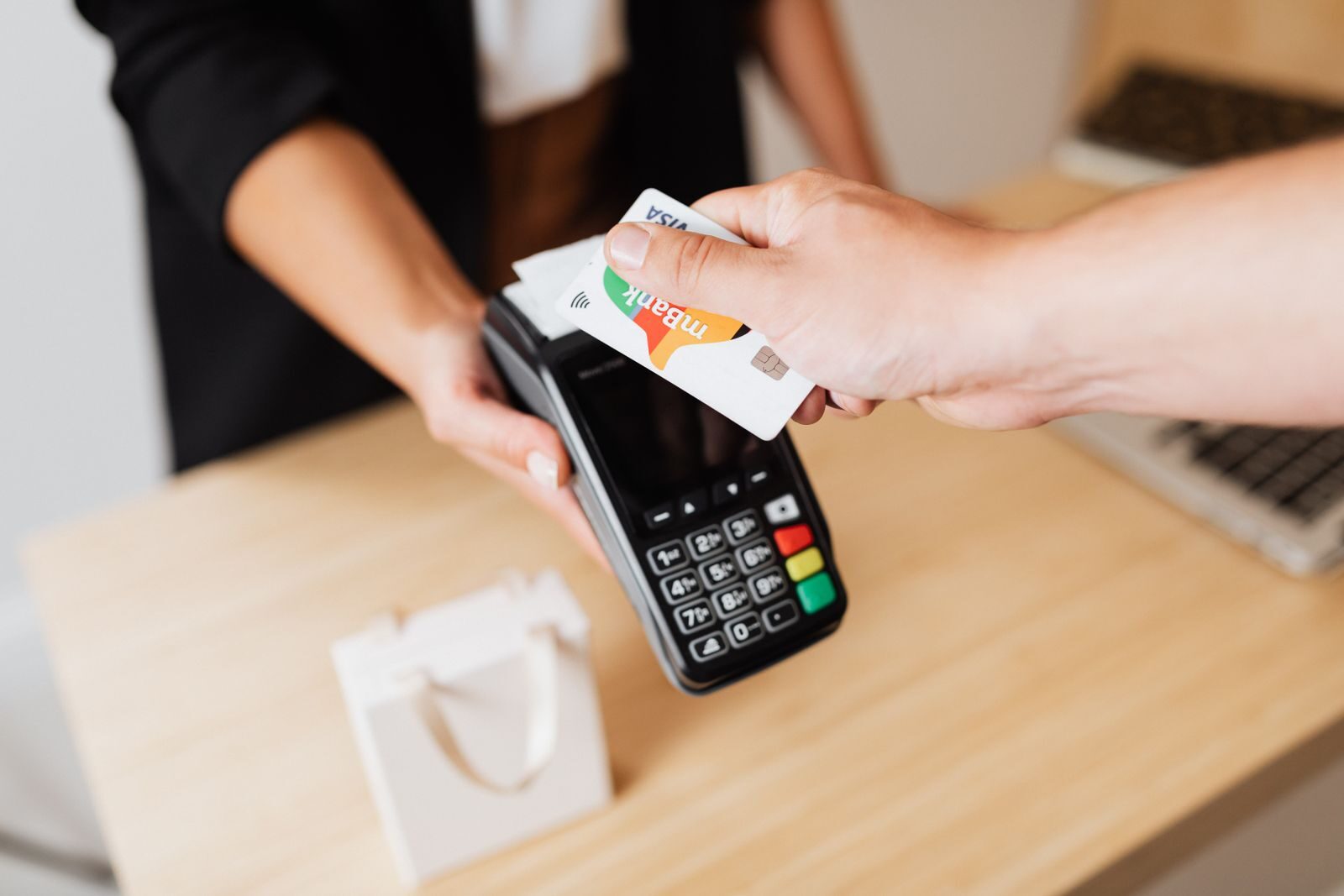
Walk into almost any market stall, pharmacy, or roadside shop in Lagos, Nairobi, or Accra today, and you will see the same small rectangle propped near the till: a POS terminal or a QR code, often branded in the unmistakable blue of Moniepoint, the green of OPay, or the violet of PalmPay. These devices are not just payment tools anymore. They are the front door to something bigger, platforms that started as ways to move money and have quietly become the operating system for how millions of African merchants run their businesses.
This is the merchant super-app, and it has become one of the defining structures of African fintech. Rather than building a single product and defending it, the continent’s largest platforms are stacking payments, savings, credit, and increasingly commerce tools into one account, betting that the merchant relationship, not the consumer download, is where durable value sits.
Why Merchants, Not Just Consumers
The logic is straightforward once you look at where African fintech growth has actually concentrated. Consumer super-apps built around messaging or ride-hailing, the model popularised by WeChat and Grab, have never quite translated to African markets with the same force. What has translated is the merchant model: build around the person who transacts daily, who needs float, who needs a loan against tomorrow’s sales, and who has nowhere else formal to go.
Moniepoint is the clearest example. It began as payment infrastructure and agent banking, then expanded deliberately outward to business banking, credit, payroll tools, personal banking, and foreign exchange, in that order. According to the company’s own figures reported by Innovation Village, it processed more than 14 billion transactions worth roughly N412 trillion in 2025 alone, and claims to handle around 80 percent of Nigeria’s in-person payments. That is not a payments app anymore. It is closer to informal-sector infrastructure.
Commerce Is the Next Layer, Not an Afterthought
What distinguishes the current phase of African super-apps from the first wave of mobile money is the deliberate move into commerce-adjacent tools: inventory tracking, business management dashboards, working capital loans tied to sales velocity, and, increasingly, marketplace features that let merchants source stock or reach new buyers through the same app they already use to collect payment.
Safaricom’s M-PESA offers the most advanced version of this playbook outside Nigeria. The company has rebuilt its financial core under what it calls Fintech 2.0, merging its self-care app into M-PESA and rolling out credit products such as Fuliza Biashara, an automated overdraft tied directly to a merchant’s till that deducts repayment from incoming collections roughly every 30 minutes, according to reporting from Streamlinefeed. Safaricom’s head of Super Apps, Peter Gichangi, has been explicit about the strategic logic in comments to TechCabal: the company solved how money moves years ago, and now sees the harder, more valuable problem as lending against that movement without becoming a bank itself, and instead functioning as a marketplace that connects capital from partner institutions to borrowers whose banks have historically ignored.
The pattern is consistent across the continent’s leading platforms: own the transaction data, then use it as collateral for the next product, whether that is a loan, a savings tool, or eventually a marketplace feature that keeps the merchant from ever needing to leave the app.
Nigeria’s Market Concentration Problem
Nigeria’s experience also shows what happens when this model succeeds too well. By 2026, Moniepoint, OPay, and PalmPay together controlled such a large share of agency banking and merchant acquiring that the Central Bank of Nigeria intervened directly. New rules released between March and June 2026 cap any institution that controls more than 25 percent of the consumer-issuing market at a maximum 15 percent share of merchant-acquiring activity, according to Legit.ng’s reporting on the CBN circular. The reforms also introduce operational ring-fencing, tighter ownership disclosure, and domestic data localisation requirements taking effect in January 2027.
This did not come out of nowhere. In 2024, the CBN had already briefly restricted Moniepoint, OPay, Kuda, PalmPay, and Paga from onboarding new customers pending compliance reviews, and separately fined Moniepoint and OPay N1 billion each over KYC lapses. The message from the regulator has been consistent: platforms that grow fast enough to touch a majority of a country’s daily commerce will eventually be regulated like the systemically important infrastructure they have become, whether or not they hold a full banking licence.
What Merchants Actually Gain, and What They Risk
For the shop owner or market trader at the centre of this model, the appeal is tangible. A merchant using Moniepoint or M-PESA’s business tools gets same-day settlement, a transaction history that can substitute for the collateral a traditional bank would demand, and access to short-term credit that would otherwise mean a moneylender. This is meaningful in economies where formal bank lending to small business remains thin and slow.
The trade-off is dependency. As these platforms fold more financial life into a single account, switching costs rise. A merchant’s credit history, working capital, and daily settlements all reside within one company’s ledger, which is efficient until that company faces its own liquidity, fraud, or regulatory issues. Nigeria’s 2024 onboarding freeze was a reminder of how quickly that dependency can turn into exposure for the merchants who built their businesses around a single platform’s uptime.
A Structural Shift, Not a Trend
What is happening across Nigerian and Kenyan fintech is less a product trend than a structural repositioning. Payments companies are becoming financial infrastructure companies, and financial infrastructure companies are edging into commerce. The platforms best positioned to lead the next phase are not necessarily the ones with the flashiest consumer app, but the ones that have made themselves indispensable to how merchants actually run their businesses day-to-day, and that, increasingly, is where African fintech’s real competition is being fought.