
E-Waste in Africa: The Dark Side of Our Technology Consumption


Every new phone, laptop, and inverter that reaches an African market eventually becomes someone’s disposal problem. The continent’s digital growth has been well documented, from mobile money to remote work. The question of where the hardware goes afterwards gets far less attention. Africa produces little electronic waste(e-waste) compared with other regions, but it recycles almost none of it through formal channels, and the gap is where the damage happens.
A small share of the waste, an even smaller share of the recycling
The global picture explains the pressure. The UN’s Global E-waste Monitor found that the world generated 62 billion kilograms of e-waste in 2022, and that only 22.3 percent was documented as properly collected and recycled. Generation is rising almost five times faster than formal recycling.
Africa sits at the weak end of that comparison. Citing the same monitor, Kenya’s People Daily reports that the continent formally recycles less than one percent of its e-waste, even though it generates the least per person of any region.
Low volume does not make this a minor problem. Per-person figures are low because fewer people own many devices, but the infrastructure to deal with what is discarded is thinner still. Nigeria’s total is difficult to pin down. Figures reported by Le360 from the UN monitor put it at about 497 million kilograms, while panellists at a 2025 Lagos dialogue cited an estimated 1.2 million tonnes a year. The gap between those numbers is itself a sign of how little reliable data exists.
Imports blur the line between reuse and dumping
Not all of Africa’s e-waste is homegrown. Second-hand electronics are an important source of affordable devices, and many buyers cannot afford new ones. But a share of what arrives is already close to useless.
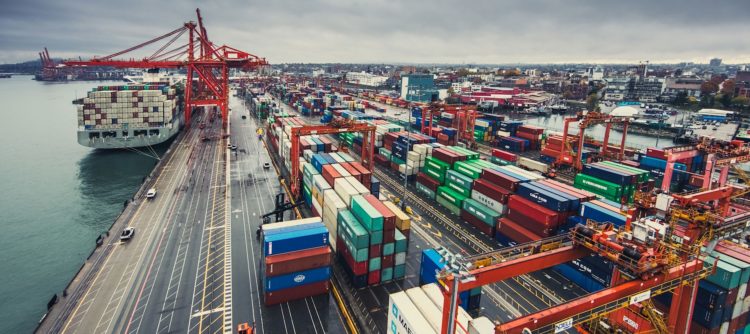
Al Jazeera reported in March that, according to the United Nations, around 60,000 tonnes of used electronics enter Nigeria through its ports each year, with at least 15,700 tonnes damaged on arrival. The report notes that importing used equipment is allowed under regulated conditions, so the difficulty lies in enforcing the distinction between a working device and a shipment of waste.
The Basel Convention’s e-waste programme reached a similar finding across West Africa. Its research found that countries with high imports of used equipment, Ghana and Nigeria among them, generate the highest volumes of e-waste. Regional bodies are starting to respond. The East African Community banned imports of cathode ray tubes and used standalone computer monitors from July 2022, according to The EastAfrican.
What informal recycling actually costs
With few formal options, most discarded electronics go to scrap dealers and collectors. Dataphyte’s June 2026 analysis says the informal sector handles more than 90 percent of Nigeria’s e-waste.
This work supports livelihoods, and the people doing it are not villains. But the methods carry real hazards. The Basel programme’s West Africa research describes manual dismantling, open burning to recover metals and open dumping of what remains, and says the impact on health and the environment is evident. Burning cables and circuit boards releases toxic fumes, and metals leach into soil and water around dumpsites.
Al Jazeera’s report quotes a Nigerian Medical Association official warning of serious health risks for communities exposed to informal recycling in Kano. The workers carry the highest exposure, and they have the least protection.
Rules exist, enforcement is the weak point
Nigeria has had a producer responsibility framework on paper for years. NESREA’s director general noted in a UNEP release that extended producer responsibility has been on the agenda since 2009. Revised regulations require manufacturers, importers, collection centres and recycling facilities to register with the E-waste Producer Responsibility Organisation Nigeria, known as EPRON.
Compliance and capacity have lagged. NESREA itself has acknowledged, as quoted by Dataphyte, that high costs, inadequate recycling infrastructure and the lack of proper collection channels keep crude handling in place. A cultural obstacle compounds this. Many Nigerians expect payment for old devices, which makes free collection schemes hard to sustain, according to a trade piece on Nigeria’s e-waste problem.
NESREA’s most recent response, announced in May 2026 and reported by Dataphyte, is a cooperative-led model. It is meant to bring informal collectors, sorters and recyclers into the producer responsibility system through structured cooperatives, with support on governance, financing, social protection and compliance. That approach accepts the reality that the informal sector already runs the collection network, and tries to formalise it rather than replace it.
What other markets show
Kenya is among the few African countries with producer responsibility rules for electronics, though People Daily notes enforcement remains a significant challenge. The pattern repeats across the region: legislation arrives before the collection points, processing plants and customs capacity needed to make it work.
The economic case for fixing this is real. The same Global E-waste Monitor findings note that discarded devices contain recoverable metals that are lost when equipment is dumped or burned. Formal recycling in Africa is mostly limited to a few facilities, including a licensed Lagos processor with annual capacity of around 30,000 tonnes, far below the volume of material in circulation.
The cost of cheap devices
Africa’s hardware boom is not going away, and neither is demand for affordable second-hand electronics. The more practical question is who bears the cost of disposal. Right now that burden falls largely on informal workers and the communities around dumpsites, while manufacturers, importers and exporting countries face few consequences.
Shifting it will depend on stricter inspection of used-goods imports, producers paying their share into collection systems, and a path for informal recyclers to work safely and legally. None of this is technically difficult. It requires consistent enforcement and funding, which have been harder to secure than the regulations themselves.