

Nigeria’s Network Crisis Is Africa’s Infrastructure Warning

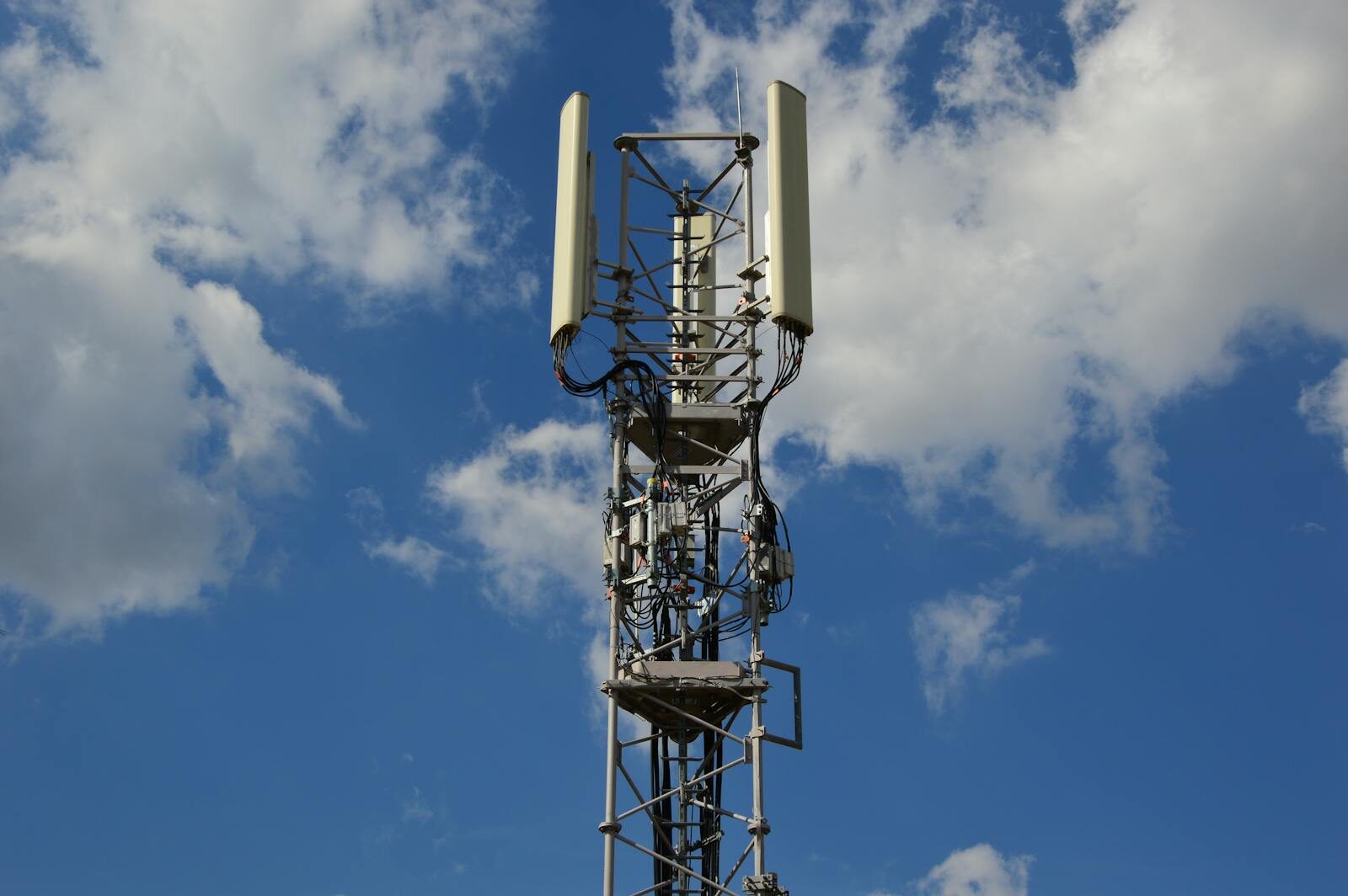
The dropped calls and dead zones that millions of Nigerians endured through late 2025 and into early 2026 were not simply inconveniences. They were symptoms of something more systemic, a structural gap between the pace of Africa’s digital ambitions and the physical infrastructure meant to support them. What played out in Nigeria’s largest cities over those months has since drawn regulatory action, operator accountability, and renewed scrutiny of how the continent builds and protects its telecom backbone.
A Crisis Long in the Making
Nigeria’s network crisis did not emerge overnight. The Nigerian Communications Commission (NCC) acknowledged in December 2025 that the quality failures then gripping Abuja were directly linked to disruptions in diesel supply to key telecom tower sites, with IHS Nigeria Limited one of the country’s largest tower infrastructure providers at the centre of those supply chain breakdowns. That a power supply issue could cascade into widespread network outages across the capital exposes how precarious the operational layer beneath Nigeria’s telecom sector remains.
Compounding this was a separate but equally damaging problem: fibre cuts. According to the NCC, Nigeria recorded 19,384 fibre cuts between January and August 2025 alone. MTN Nigeria reported 5,478 of those in just seven months, with June 2025 seeing over 1,000 incidents in a single month. By the end of the year, the operator had logged more than 9,000 cuts in total. The financial cost of this damage is not abstract: telecom operators collectively spent approximately ?14 billion repairing around 59,000 fibre cuts between 2022 and 2023, with total costs including lost revenue reaching roughly ?27 billion in 2023 alone.
Regulation Responds, But the Gap Remains Wide
The NCC’s response took on a harder edge in early 2026. Having tracked a 101.7 percent surge in network outages between December 2025 and January 2026 from 118 incidents to 238 across multiple providers, the regulator directed operators to compensate affected subscribers automatically, without requiring customers to file complaints. Both MTN Nigeria and Airtel Nigeria began rolling out airtime credits to impacted users in May 2026, with the NCC making clear these were not voluntary refunds but regulatory consequences tied to service quality failures.
The NCC also secured Right-of-Way fee waivers in seven Nigerian states, a long-standing barrier to fibre deployment that had slowed rollout and raised costs for operators. This was part of a broader regulatory recalibration across the continent, with Ghana reviewing dozens of telecom levies and Kenya reversing a planned excise duty increase on mobile services.
Still, the gap between regulatory intent and ground-level delivery is significant. The NCC noted that only around 300 new or upgraded telecom sites were deployed across Nigeria in 2025. Operators have since committed to approximately 12,000 upgrades in 2026, with around 2,800 completed by mid-year. The scale of the correction tells its own story about how much ground was lost.
Africa’s Broader Infrastructure Financing Problem
Nigeria’s situation is a concentrated version of a continent-wide challenge. Africa’s telecom market is projected to grow at a 10.65 percent compound annual rate, reaching $381.79 billion in 2026, but the physical infrastructure supporting that growth is under severe strain. The African Union and OECD estimate that the continent needs an average annual infrastructure investment of $155 billion through 2040, with fibre-optic expansion alone requiring roughly $36 billion per year. Against this, a financing gap of between $68 billion and $108 billion annually persists.
Around $77 billion is expected to flow into African mobile infrastructure between 2024 and 2030, which represents meaningful progress but falls short of what the demand curve requires. The continent’s technology mix reflects the imbalance: 4G accounts for 49 percent of connections, while 3G still makes up 38 percent. For hundreds of millions of users, legacy network dependence is not a historical problem, it is the present reality.
The Physical Threat to Digital Infrastructure
One dimension of this crisis that often goes underreported is the physical vulnerability of the infrastructure itself. Nigeria’s Critical National Information Infrastructure (CNII) Order, signed into law in 2024, was designed to protect telecom networks, data centres, and fibre cables from damage. But early 2026 has tested its implementation. January alone recorded a roughly 900 percent surge in disruption incidents compared to December, according to a legal assessment seen by Technology Times. More than 80 percent of those fibre cuts occurred in Abuja, raising questions about coordination between road construction activities and fibre network protection.
The NCC did launch a real-time fibre damage tracking platform in May 2025, which contributed to an 18 percent reduction in average repair turnaround times. A joint standing committee between the Ministries of Works and Communications was also established to improve coordination. These are sensible interventions. But they address a problem that should not have grown this severe in the first place.
What It Means for the Digital Economy
Telecom infrastructure is not a sector concern; it is an economic one. When mobile connectivity fails at scale, the consequences reach banking transactions, healthcare access, logistics operations, and small businesses that depend on mobile payments and digital platforms. Africa processes over 108 billion mobile money transactions annually, worth more than $1.68 trillion. Every hour of network downtime in a major market is a disruption to that economic layer.
What the past six months in Nigeria have demonstrated is that demand for digital services has outpaced the resilience of the infrastructure delivering them. Revenue projections and subscriber growth rates are meaningful, but they are built on a physical foundation that requires sustained, coordinated investment to remain functional.
The operators have made large commitments for 2026. The regulator has sharpened its enforcement posture. And some of the structural barriers, Right-of-Way fees, uncoordinated construction are being addressed at the policy level. Whether those efforts close the gap or merely slow its widening will depend on how seriously governments and operators treat infrastructure maintenance as ongoing work, not periodic crisis response.