
How African Creators Are Building Global Brands on Their Own Terms

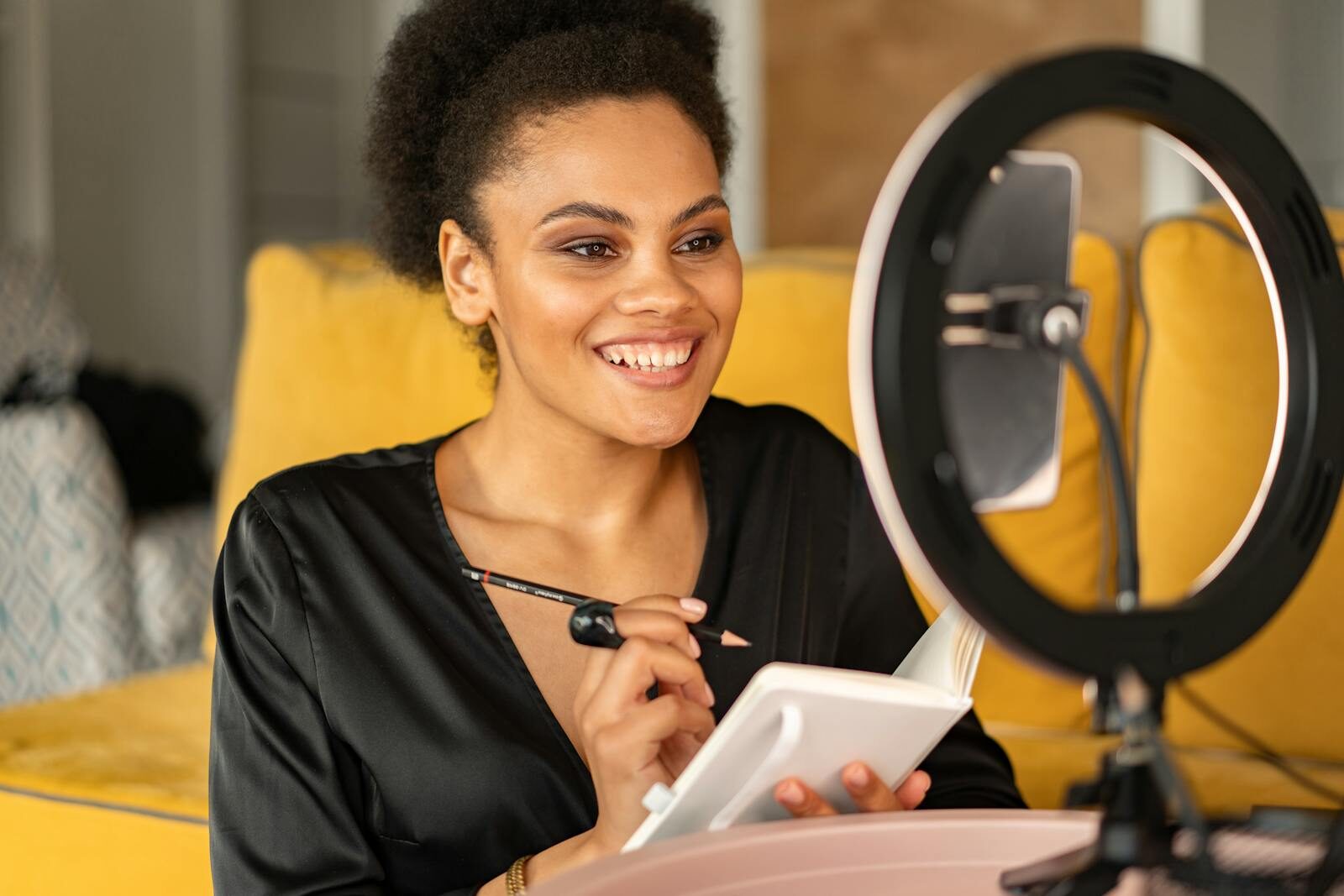
There is a familiar pattern in how the world discovers African culture. The music travels first — Afrobeats fills clubs in London and São Paulo before Western labels come knocking. The fashion follows, landing on runways in Paris years after it ruled the streets of Lagos and Accra. The digital creator economy is tracing that same arc, but this time, Africans are positioned to capture the value, if the infrastructure holds and the platforms follow through.
Africa’s creator market was valued at $5.10 billion in March 2025 and is estimated to reach $29.84 billion by 2032, growing at a compound annual rate of 28.7%. That trajectory is not a projection built on wishful thinking. It reflects structural realities: Africa has the youngest population globally, with over 60% of people under 25 years old, a cohort that has grown up treating content creation as a legitimate career path.
The Architecture of a New Economy
What distinguishes today’s African creator economy from earlier waves of digital entrepreneurship is the degree to which creators are moving beyond pure content into business formation. In Africa, content creators are now venturing beyond entertainment; they are becoming brands, businesses, and venture builders. With large followings, cultural relevance, and monetisation experience, many creators are now leveraging their influence to launch startups, build products, and raise capital.
The examples are instructive. Kenya’s Crazy Kennar built a media brand around his comedic skits and has since expanded into a production company and digital academy. Nigeria’s Aproko Doctor, a physician-turned-health communicator with millions of followers, recently launched Awadoc, a healthtech startup designed to improve healthcare access for Africans. These are not influencers who happen to have side projects. They are entrepreneurs who used audience trust as founding capital.
Selar, one of the leading creator platforms in Africa, paid out 9.8 billion naira — approximately $6 million — to African creators in 2024. That figure represents digital products, courses, memberships, and downloadable content sold directly to audiences, bypassing the intermediaries that have historically extracted value from African creative output.
The Platform Problem
The opportunity is real. The obstacles are equally concrete. TikTok is facing online backlash for excluding most African creators from its key monetisation programmes despite the platform’s rapid growth on the continent. Only a few African countries are included in the 53 regions where TikTok’s Effect Creator Rewards scheme operates. Meanwhile, zero African countries are eligible for payouts via the app’s Creator Fund.
Nigeria is TikTok’s second-largest market in Africa after South Africa, with an estimated 34 million monthly active users. Yet, as of mid-2025, African creators remain excluded from the Creator Fund and other revenue-sharing programmes. TikTok has maintained that African creators have access to monetisation through live gifts and brand partnerships, but that framing sidesteps the central issue: the platform’s most scalable, performance-based payment mechanisms do not reach most of the continent.
African creators face limitations in funding and access to high-quality production tools, with 24.7% citing a lack of support and 22.8% pointing to limited monetisation options. Payment infrastructure is a compounding factor. TikTok’s reliance on processors like Stripe, unavailable in most African countries, further weakens the continent’s bargaining power.
The pattern raises a question that goes beyond any single platform: when African creators generate cultural value that travels globally, who sets the terms of compensation?
Where Global Brands Are Paying Attention
Whatever the platform gaps, international brands have started showing up. Fenty Beauty, Crocs, and Lancôme have recently partnered with African influencers, highlighting international interest in the continent’s emerging talent.
The commercial logic is sound. Globally, nine out of ten consumers trust the creators they follow. Among Gen Z and millennials, creator content influences purchasing decisions more than traditional advertising, and 63% of consumers trust what influencers say about brands more than the brands themselves. African creators, operating in a market where institutional trust in traditional advertising is often low, have built audience relationships grounded in authenticity — precisely what global brands want to buy.
Brands that invest strategically in influencer and creator partnerships see up to 10.7 times better performance in social media marketing outcomes. The economics are pushing brands toward creators generally; African creators represent an underpriced entry point into one of the world’s fastest-growing consumer markets.
The African Development Bank’s CANEX initiative has structured investment around this opportunity, doubling its budget to $2 billion for 2024–2027 and launching a $1 billion Africa Film Fund to build export-ready creative enterprises. In a concrete example of what that looks like, CANEX will debut the first-ever CANEX Pop-Up Store at Galeries Lafayette in Paris in June 2025, showcasing four African fashion brands — We Are NBO from Kenya, Late For Work from Morocco, WUMAN from Nigeria, and Boyedoe from Ghana. Institutional backing meeting creator-economy energy is a rare combination, and it is worth watching.
Building Durable Brands, Not Just Audiences
The distinction between an audience and a brand is where most creator ventures either sharpen or dissolve. Audience size can be borrowed — viral moments inflate follower counts without establishing loyalty. A brand requires consistent positioning, a recognisable voice, and a proposition that survives the next algorithm change.
African creators who position themselves as authorities in their niche, with a distinct voice and style, are the ones attracting the most opportunities. Creators who show up consistently and share their views not only grow their audience but also build trust, the key to landing brand deals and launching their own products.
This points to an underappreciated structural advantage: African creators working across 2,000 languages and 54 countries possess a depth of cultural specificity that global content factories cannot replicate. The creator who explains personal finance in Pidgin English to Lagos millennials, or who documents sustainable fashion in Nairobi, is building something that cannot be outsourced or algorithmically generated. That specificity is the asset.
The shift also demands new skills. Audience management, licensing, intellectual property protection, and cross-border payment systems are not topics taught in most African universities, but they are the competencies that separate creators who build lasting businesses from those who burn out chasing brand deals. Platforms like Selar and the expanding network of African talent management agencies are beginning to fill that gap.