
Medical Drone Delivery in Africa Is Outgrowing the Rwanda Model

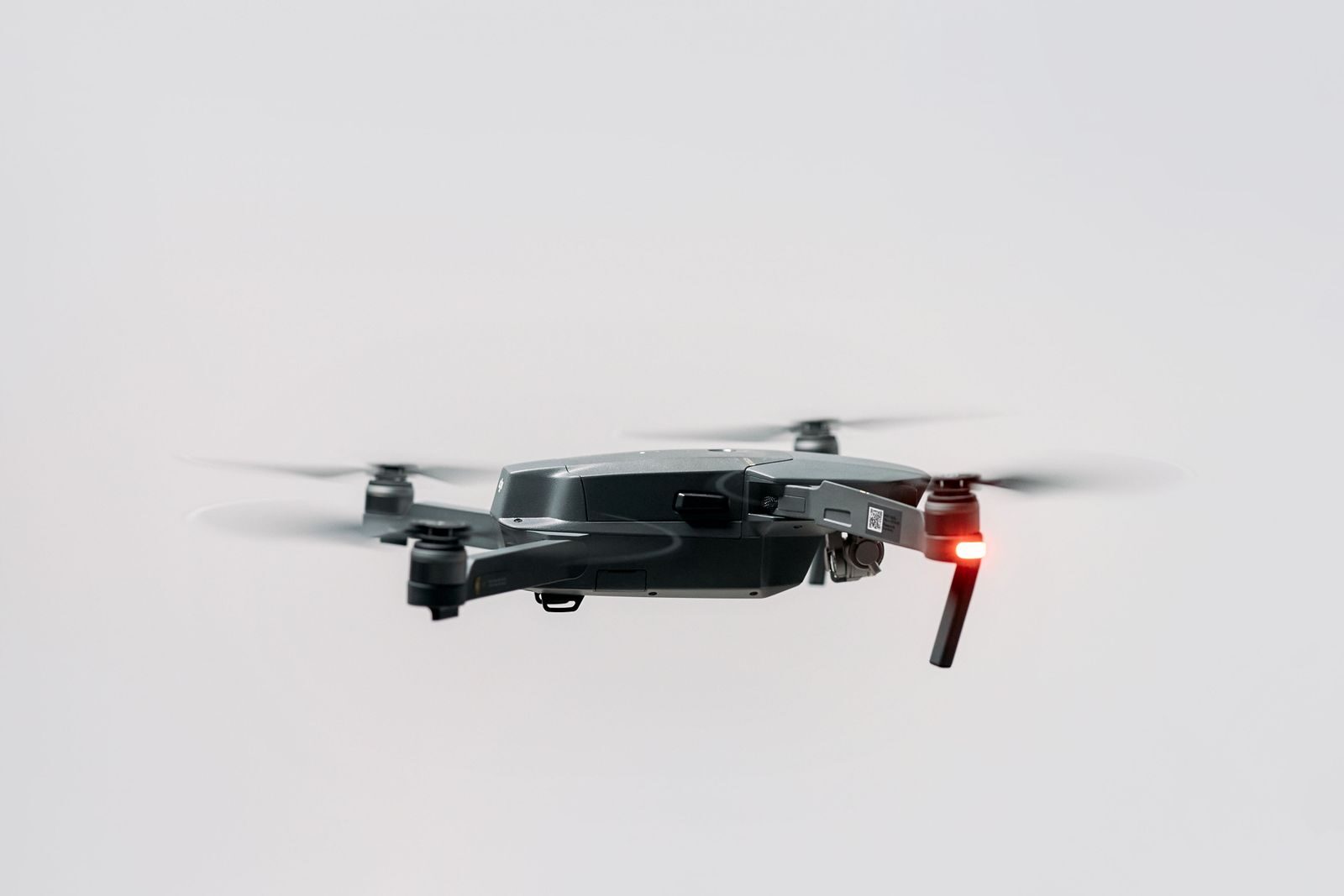
At a distribution centre in Muhanga, in the middle of Rwanda, a drone is dispatched roughly every 50 seconds. That figure comes from Zipline’s country director, speaking to NPR in August, and the drones carry blood, vaccines and diagnostic tests to hospitals and clinics. Muhanga is where Zipline opened its first centre in 2016, and the Rwandan arrangement is still the reference point for medical drone delivery in Africa.
A decade later, the model is being tested in countries with larger populations, tighter budgets and stricter aviation rules. The results so far show that the aircraft are the easier part.
What Rwanda’s version actually involves
In Rwanda, the government owns the medical supplies and Zipline manages the warehousing, inventory and flights. Health workers place orders by phone, text message or WhatsApp. The company handles what NPR describes as virtually all of the country’s pharmaceutical deliveries.
Rwanda’s health minister, Sabin Nsanzimana, credits drones as one part of a wider push that includes universal health coverage and investment in midwives. Maternal deaths have fallen from roughly 1,000 per 100,000 births to 87 over 26 years, according to the minister. A small, centralised state with one main contractor and strong political backing is a specific set of conditions, and few countries share all of them.
Nigeria: scaling from state deals to a national network
Nigeria is the clearest test of whether the model travels. Zipline started in Kaduna State in 2022 and later added Cross River and Bayelsa. The company says those three hubs serve more than 1,300 health facilities and about six million people.
In May, TechCabal reported that Zipline plans 12 more distribution centres by 2028. It is also pursuing a federal framework so that states can join a national network instead of negotiating separate deals. The Kaduna and Cross River facilities run on solar power with backup systems, which matters in a country where grid supply is unreliable.
Regulation is the heavier constraint. Since May 2026, drone operators must obtain an End-User Certificate from the Office of the National Security Adviser before they can apply to the Nigerian Civil Aviation Authority for a permit. That two-step process reflects genuine security concerns about unmanned aircraft, and it applies to any operator, foreign or local.
Ghana and the problem of paying the bill
Ghana launched its programme in 2019. In November 2025, Zipline suspended three of its six Ghanaian centres, citing unpaid government debt reported at GH¢175 million. Lawmakers noted that the 2026 budget set aside only GH¢20 million toward the arrears. The health minister has said the state is expected to pay more than half a million dollars a month for the service.
The dispute has turned political. Majority Leader Mahama Ayariga called for the contract to be terminated, arguing that the Ghana Health Service could buy its own drones. Others urged renegotiation and encouraged Ghanaian entrepreneurs to enter the sector. In July, the minister told Parliament the government was working to mobilise funds to clear the debt.
The episode shows that drone logistics is a recurring operating cost, not a one-off purchase. When payments lapse, hubs close, and the clinics that relied on them lose a supply line they have built their stock management around.
Who pays: donors, governments and performance contracts
The funding structure is changing as well. The United States announced a $150 million commitment in November 2025 to expand Zipline across Rwanda, Ghana, Nigeria, Kenya and Côte d’Ivoire, with a performance-based payment structure and a target of up to 15,000 health facilities.
The same NPR report notes that Washington has cut about $200 million in aid to Rwandan organisations providing food and health services in rural areas. A Save the Children manager in Rwanda said some of its facilities for mothers and children could close as those cuts take effect. Drone funding is growing while other parts of the health system lose support.
What happened to the alternatives
Zipline is not the only company that has tried. Australia’s Swoop Aero ran drone networks in Malawi with UNICEF and UK aid support, but it collapsed into liquidation in late 2024. Its assets were later sold for about $1 million, a fraction of the $26 million investors had put in.
Germany’s Wingcopter has had better evidence of impact. Its Malawi project, which flew from Kasungu Airport to rural health centres, reports 2,300 kilograms delivered over 130,000 flight kilometres, with fewer stockout days at the clinics served. Its earlier Lake Malawi project, however, ended when donor funding stopped, after eight months and 428 flights. In 2023, Wingcopter also signed an agreement with Siemens Healthineers to carry laboratory samples in both directions between facilities.
The pattern is consistent. Pilots funded by donors tend to stall when the grant ends, while systems that a government has built into its own supply chain and budget tend to last. That favours operators who can secure long-term public contracts, and it leaves less room for smaller or local competitors.
The limits of the aircraft
Drones also solve only part of the problem. Zipline’s Rwandan operation requires a minimum package weight of one kilogram, because lighter loads risk being blown off course. At a health post in Ituze, a nurse told NPR that regular vaccine deliveries mean she no longer travels for hours to collect them. She still cannot get oxygen or an ultrasound machine, so many pregnant patients must be referred to a hospital two hours away.
Enoh Ebong of the Center for Strategic and International Studies told NPR that high-tech logistics fall short without basic infrastructure such as roads and power. The same point applies to staffing and equipment at the clinics themselves.
What the next phase depends on
The Rwanda model works where supplies, contracts and regulators line up. Nigeria is now trying to reproduce that at a much larger scale, with 12 more hubs planned and a federal framework still to be settled. Ghana’s experience suggests the main risk is whether governments keep paying for the service once it is running. Whether African operators get meaningful room to compete is a separate question, and it is one Ghanaian officials have already raised.