
Lagos Backs AI Builders Over AI Buyers at the Nigeria Innovation Summit 11.0

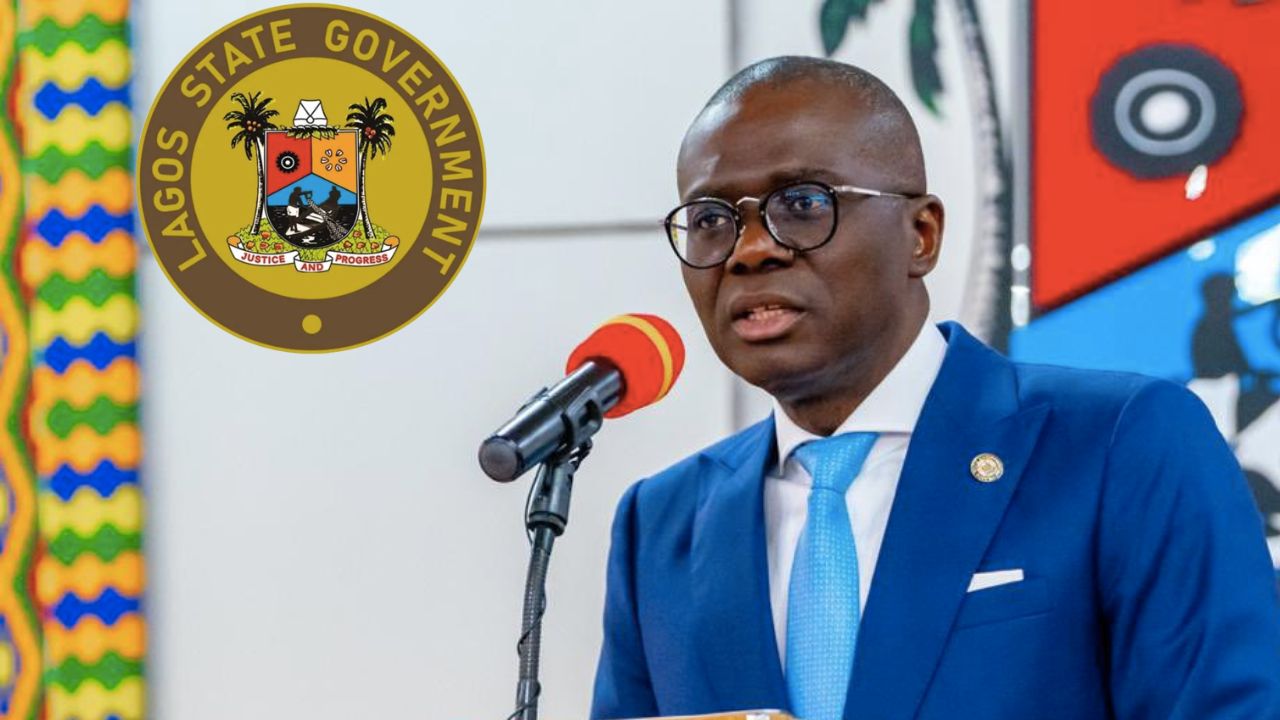
Nigeria cannot afford to remain a consumer of artificial intelligence built elsewhere. That was the central message from the Lagos State Government at the 11th Nigeria Innovation Summit, held on October 6 at the Shell Hall of the Muson Centre in Lagos.
Governor Babajide Sanwo-Olu, who was represented by Ganiyu Oseni, the Special Adviser on Technology, Broadband and Innovation, delivered the governor’s address. “Innovating in the Age of AI” was organised by InnovationHub Africa.
Innovation is more than technology
Oseni opened by drawing a line between technology and innovation. “Technology gives us the tools,” the address said. “Innovation is what we do with those tools to solve real problems and create value.”
The distinction, it argued, matters for a country facing gaps in education, healthcare, agriculture, transport, financial inclusion and public administration. AI offers new ways to address them, but its value will depend on how well it is applied to local needs.
The address described what that could look like in practice: a teacher using intelligent tools to support learners at different levels, a farmer using data to decide what to plant and when to sell, a health worker reaching the right information faster, and a small business understanding its customers and cutting costs.
“A dependency” Nigeria should not accept
The speech was blunt about where Africa currently stands. Much of the continent’s AI computing, it noted, is still done in Europe, a dependency the governor said Nigeria should not accept. The aim, it said, should be to build as well as use.
It rejected the idea that talent is the problem. What is missing, the address said, is an ecosystem that turns good ideas into products, companies, intellectual property and jobs, so that innovators do not have to hunt separately for capital, mentorship, infrastructure and markets.
Each sector was handed a role. Government must create the enabling environment, the private sector must keep investing, and universities must tighten the link between research and commercial application.
Skills beyond the engineer
On talent, the address argued that teaching young people to use technology is not enough. They need to be equipped to build it and to start businesses with it.
Programmers, engineers and data scientists will be needed, it said, but so will doctors who understand AI, teachers who can bring digital tools into the classroom, lawyers who understand technology, entrepreneurs who can spot opportunities, and public servants who use data to decide better. In the address’s words, the most valuable resource of the AI era will not be computing power alone, but people who combine technology with knowledge, creativity and sound judgement.
Regulation, but not at innovation’s expense
The address also took up the governance questions the summit’s sessions on trusted AI, regulation and data governance were designed to address. It listed bias, privacy, accountability, transparency and fairness as issues that cannot be set aside while innovation is encouraged, and asked who gets access to the technology. Its position was a middle path: regulation should not push innovation out of existence, but innovation should not proceed without guidelines either.
What Lagos says it has done
The Lagos government used the platform to restate its numbers. According to the address, the state has attracted about $3.9 billion in venture funding over the past five years. Through the Lagos State Science, Research and Innovation Council, it has funded more than 70 research projects with universities and disbursed over N800 million in grants to research and about 60 startups, figures the state’s Commissioner for Science and Technology has cited before.
On infrastructure, Oseni pointed to the Lagos Metro Fibre project, which targets 6,000 kilometres of fibre and ducts. The address said the project has already connected more than one million people. The rollout has not been smooth. The project was announced in 2020 and was reported as roughly half complete by late 2023.
Power was the other pillar. The address said Lagos has enacted a state electricity law and set up a regulatory commission, with a target of 200 to 400 megawatts of state-procured capacity, up from under 16 megawatts. “No data centre, startup or factory can run on promises,” the governor said.
The state is also working on an innovation bill to give research and innovation incentives, dedicated funding and a firm legal basis. The commissioner has previously said the bill was in the pipeline. The address gave no timeline for its passage.
The measure of success
Closing the speech, Oseni said Lagos cannot do this alone and that forums like the summit are where ideas meet capital, research meets industry and entrepreneurs meet markets.
The address warned against measuring progress by the number of technologies acquired, applications launched or speeches made about AI. The real measure, it said, is whether a child learns better, a farmer becomes more productive, a business becomes more competitive, government serves citizens more efficiently, and young Nigerians find meaningful opportunities.
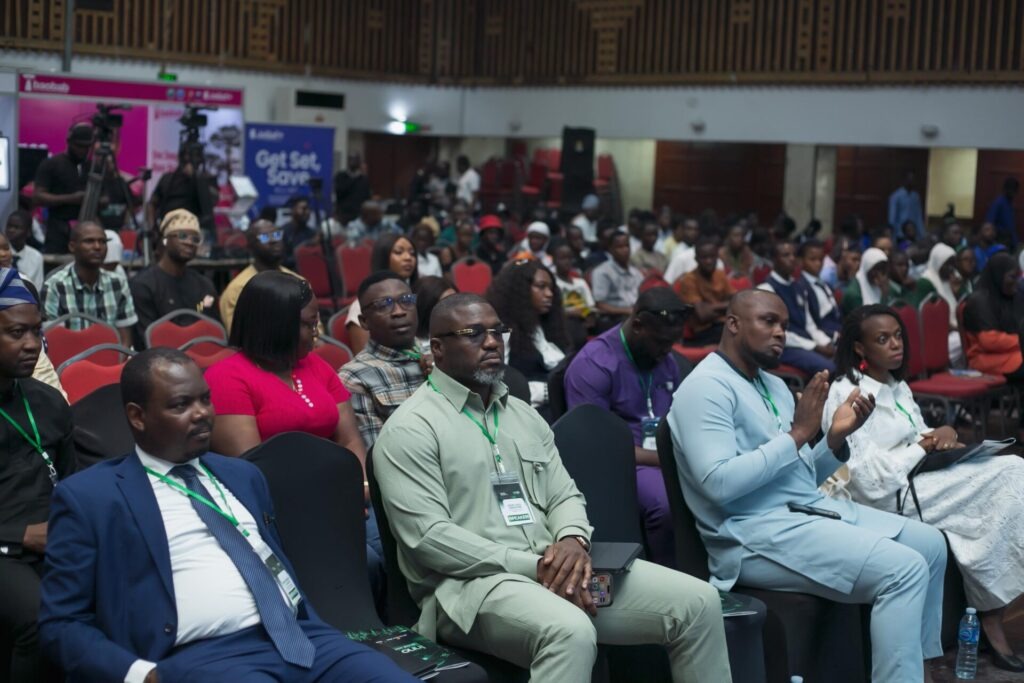
He urged attendees to stop asking only what AI can do and to ask what problems they can solve with it for Lagos and Nigeria. The address ended with congratulations to the Nigeria Innovation Awards recipients, saying their work shows innovation is already happening and deserves more support.
The summit was the 11th edition of an event that organisers describe as West Africa’s largest innovation gathering. For Lagos, the speech set out what the state says it is providing. Whether the funding, fibre, and power it described reach the founders who need them is the test the address set for itself.