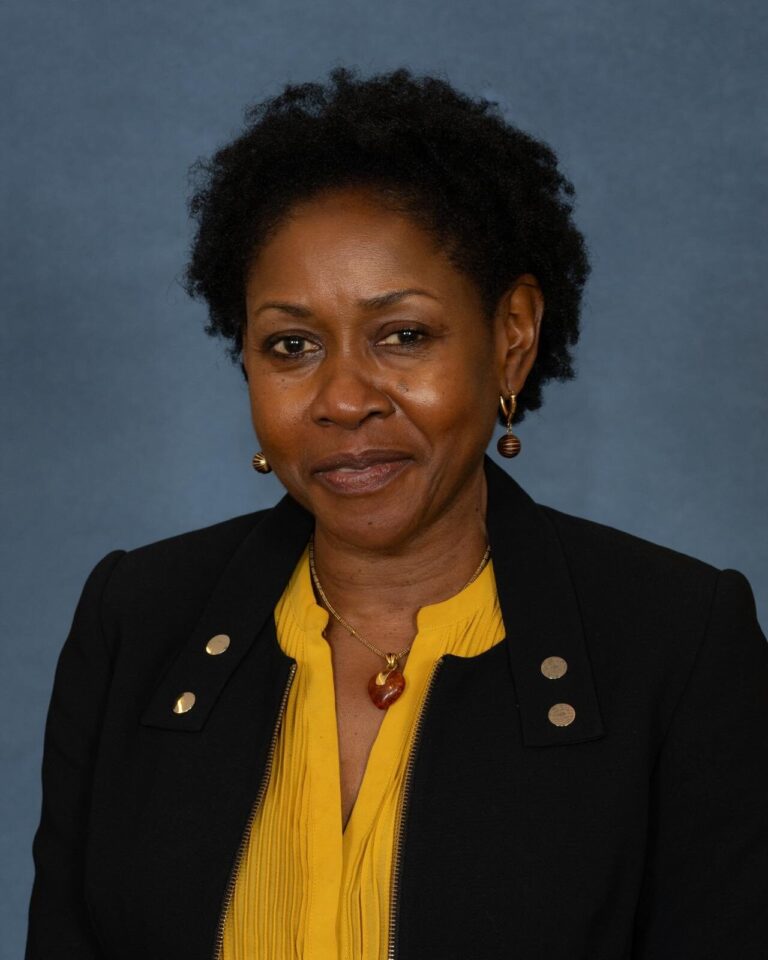

Zaliha Gambo Yunusa on Technology, Rights, and Building Sustainable Impact Across Africa


For Zaliha Gambo Yunusa, technology has never been just about tools or trends. It is about people – how they learn, how they earn, how they protect their rights, and how they build dignity into their work and communities.
In this interview with Techtrends Africa, she shares how her journey did not begin with a single defining moment, but with a pattern she could not ignore.
You wear many hats mentor, ICT trainer, human rights activist, child-rights advocate, and sustainability leader. Can you share how your personal journey and early experiences led you to pursue this multi-faceted path?
My journey began with a strong passion for helping people grow and succeed. Over time, I realized how business and tech solutions can open opportunities and transform lives. This inspired me to become a mentor and trainer, supporting people to develop skills that help them work smarter, innovate, and gain confidence. Through my work, I have had the privilege of mentoring individuals from over 45 countries on the ADPList platform, empowering them to reach their professional and personal goals.
While studying LLB, I developed a deep interest in human rights, child rights, sustainability, and international business law. This foundation gives me a unique perspective on how policies, rights, and business practices intersect. In addition to running my company, Queen Tech Innovative Business Solutions, I deliver business and AI-focused training programs, helping entrepreneurs and professionals harness technology to create impact. Wearing many hats allows me to support individuals and communities from different angles, all focused on empowerment, innovation, and positive change.
What motivated you to found Queen Tech Innovative Solutions? Was there a defining moment or challenge that sparked the idea for the company?
I was motivated by the need I kept seeing around me. Many individuals and small businesses had great ideas but lacked the right business and tech support to grow. They needed simple, practical solutions, not complicated systems.
There was no single moment, but a clear pattern. Through mentoring, training, and working with different communities, I saw the same problems repeat. That pushed me to create Queen Tech Innovative Business Solutions as a space to provide business and tech solutions that are practical, affordable, and focused on real impact.
You are active as a mentor at various stages of startup development, from idea to growth. What do you believe is the most common challenge young entrepreneurs face in Nigeria and Africa today, and how do you help them navigate it?
The most common challenge young entrepreneurs face in Nigeria and Africa today is turning their ideas into sustainable businesses. Many have great ideas but struggle with planning, access to the right tools, and understanding how to reach customers effectively.
As a mentor, I guide them step by step. I help them build practical business plans, use technology to improve operations, and develop strategies to reach their market. I also show them how to think innovatively and solve problems creatively, so they can grow their business even with limited resources.
Your profile highlights digital rights as one of your focal areas. In an era of expanding digital adoption, what do you see as the biggest threats to digital rights in Africa, and how can young people protect themselves?
In Africa, as more people go online, the biggest threats to digital rights include privacy violations, cybercrime, misinformation, and lack of awareness about online safety. Many young people share personal information without knowing how it can be misused.
To protect themselves, young people should learn about digital safety, use strong passwords, verify information before sharing, and understand their rights online. I also encourage them to use technology responsibly and stay informed about new digital tools and regulations, so they can enjoy the benefits of the digital world safely.
You are also a child rights advocate. How do digital skills and technology intersect with your advocacy for children and young people’s rights? Does technology help or complicate that work?
Digital skills and technology play a big role in advocating for children’s and young people’s rights. Technology helps by giving access to information, creating platforms for awareness, and connecting communities to share knowledge and resources. For example, children and young people can learn about their rights online and report violations safely.
At the same time, technology can complicate things if children are exposed to unsafe content or online abuse. That’s why part of my work is teaching young people how to use technology safely, promoting responsible online behavior, and helping parents and communities protect children while still giving them the benefits of digital learning and communication.
You serve on the Amnesty International Youth Advisory Board, representing Nigeria. How has that global platform influenced your advocacy and perspective on human rights and sustainability?
Serving on the Amnesty International Youth Advisory Board has given me a global perspective on human rights and sustainability. I’ve seen how young people in different countries face similar challenges and how solutions can be adapted across borders.
This platform has strengthened my advocacy by exposing me to best practices, diverse ideas, and international standards. It has also helped me bring global insights back to my work in Nigeria, ensuring that my programs on human rights, child rights, and sustainability are informed, effective, and connected to the wider global movement.
As a business and AI lead trainer, what skills do you believe are essential for young Africans preparing for the future of work? How does your training approach equip them for real world application?
For young Africans preparing for the future of work, essential skills include digital literacy, problem-solving, creativity, and the ability to use AI and technology to improve work processes. Communication and adaptability are also very important, as the world of work is constantly changing.
In my training, I focus on practical learning. I teach not just the tools, but how to apply them in real business situations. Through projects, case studies, and hands-on exercises, young people learn to solve real problems, make decisions using technology, and gain the confidence to turn ideas into action. This approach ensures they are ready for the demands of today’s and tomorrow’s job market.
You are described as a community development worker and peace observer. In your view, what role do digital skills and entrepreneurship play in strengthening community resilience and social cohesion?
As a community development worker and peace observer, I believe digital skills and entrepreneurship are key to strengthening community resilience and social cohesion. Digital skills enable individuals to access information, communicate effectively, and solve local challenges, while helping communities respond quickly to crises and share knowledge. Entrepreneurship fosters self-reliance, creates livelihoods, and encourages collaboration and mentorship. Together, they drive innovation, enhance problem-solving, and strengthen social bonds, fostering a sense of collective ownership. By combining these tools, communities become more adaptive, resilient, and socially cohesive, able to thrive even in the face of social, economic, or environmental challenges.
What professional lesson did you learn the hard way, and how has it changed the way you lead, mentor, or build community?
One important lesson I learned is that impact takes time and strong systems, not just passion. Working hard without clear structure can lead to burnout and limited results.
This lesson changed how I lead and mentor. I now focus more on planning, teamwork, and sustainability. I also teach others to pace themselves, set clear goals, and build communities that can grow and last over time.
You operate at the intersection of tech, advocacy, and community service. How do you balance these roles, and what keeps you energized?
Balancing tech, advocacy, and community work takes careful planning and focus. I make sure each role connects to the bigger goal of empowering people and creating real impact. I also set clear priorities so I can give attention where it’s most needed.
What keeps me energized is seeing the results of these efforts helping someone gain new skills, protecting rights, or building stronger, more informed communities. The progress, even in small steps, motivates me to keep pushing forward and find creative ways to make a difference every day.
How do you measure success in your work, whether with trainees, advocacy efforts, or community programs? Are there specific stories or outcomes that give you confidence that your approach is working?
I measure success by the real impact my work creates. With trainees, it’s seeing them apply skills, grow their businesses, or secure opportunities. In advocacy and community programs, success comes when people understand their rights, take action, or see positive changes in their environment.
One story that stands out is a group of young entrepreneurs I trained who used tech solutions to grow their businesses and support their communities. Seeing them succeed and pay it forward shows me that my approach works and motivates me to keep building programs that create lasting change.
Looking ahead, what is your boldest vision for Queen Tech Innovative Solutions and the communities you serve? And to our Techtrends Africa readers, especially young innovators and aspiring leaders, how can they connect, collaborate with you, or get involved in your work?
My boldest vision for Queen Tech Innovative Business Solutions is to create a platform that empowers entrepreneurs and communities across Africa with innovative business and tech solutions. I want to see more young people turn ideas into sustainable businesses and drive positive change in their communities.
To young innovators and aspiring leaders, I encourage you to connect, collaborate, and learn. You can reach out through our website, social media, or training programs. Join our workshops, mentorship sessions, or community projects, and be part of creating practical solutions that make a real impact.