
Building the Bridge: How NIHTAEL Is Helping Togolese and African Artists Go Digital

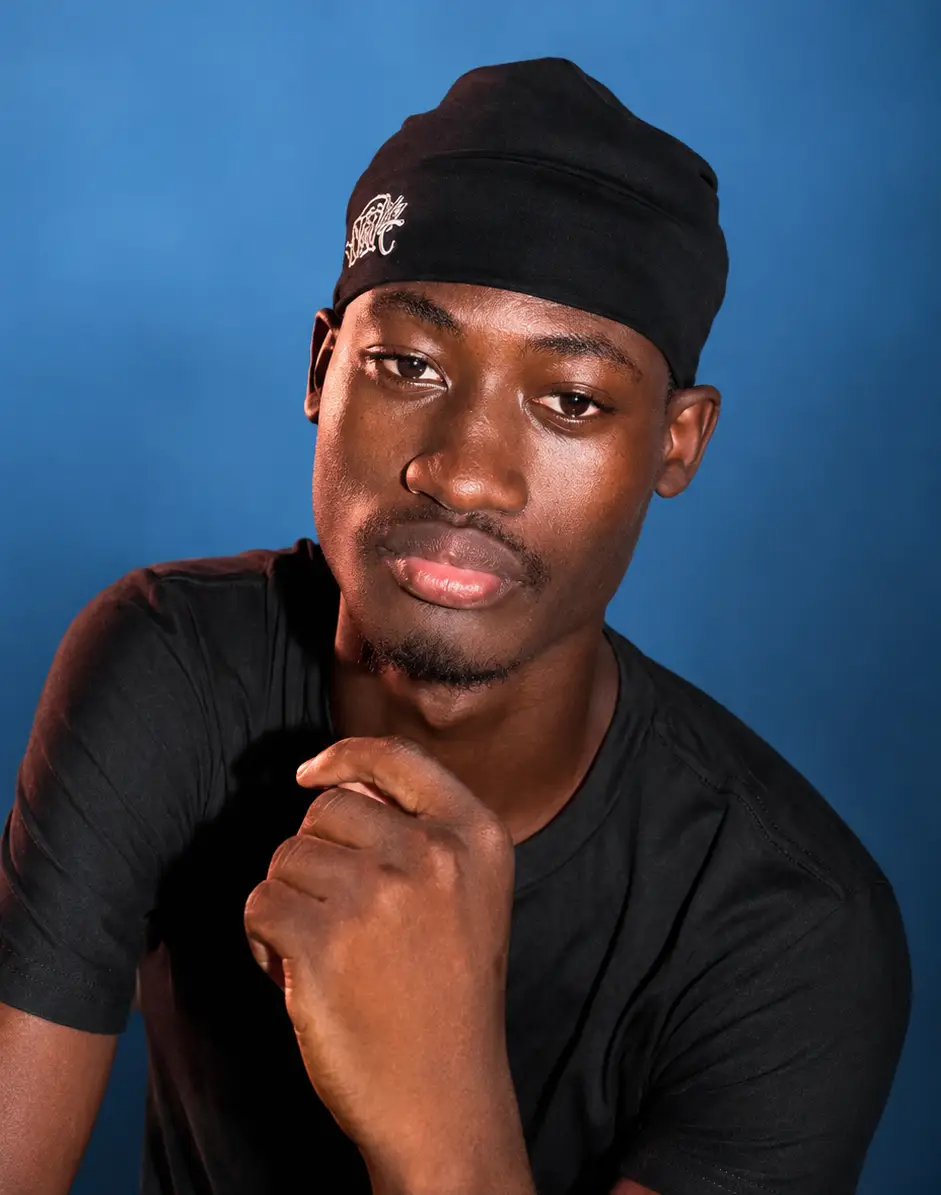
For a long time, an independent artist in Togo built a career the way most independent artists across smaller African markets did: through radio airplay, physical distribution, local events and whoever they knew. Talent mattered, but talent alone rarely carried anyone past the borders of their own city. NIHTAEL, born Nodjigno Pierre Yao Nihtael, has spent his career trying to change that equation, using digital distribution, artist development and media strategy to help African musicians build careers that don’t stop at the edge of their home market.
Through NIHTAEL DYNASTY and his work within the Façonné Music ecosystem, NIHTAEL has positioned himself at the intersection of music and technology, an intersection he says found him gradually rather than all at once.
“My journey started with a strong interest in music, artist development and the business behind creative careers,” he says. “Over time, I realized that talent alone was not enough for many artists in Togo and other smaller African markets. A major challenge was access: access to distribution, professional positioning, digital tools, international audiences and the right industry relationships.”
That realization is what pulled him toward technology as a tool rather than a side interest. Digital platforms, he explains, made it possible to think past local promotion entirely and build systems capable of placing African artists in front of audiences well beyond their own countries.
Filling the structure gap
NIHTAEL DYNASTY is best understood as a music and digital-development initiative, one built around helping artists construct careers that are professional and internationally connected rather than dependent on a single lucky break. Within the Façonné Music ecosystem, NIHTAEL’s own work spans digital distribution, artist development, digital positioning, media strategy and helping artists understand how to structure both their releases and their online presence.
The problem he set out to address, he says, was not a shortage of talent. It was a shortage of systems.
“A lot of talented artists have music but do not always have the systems, information, contacts or digital strategy required to turn that talent into a sustainable career,” he says.
That word, structure, comes up repeatedly when NIHTAEL talks about his work, and he is precise about what he means by it. Structured development, in his framing, means treating an artist’s career as an actual business: a clear artistic identity, planned releases, professional visuals, proper metadata management, a social media strategy, press relations, audience development and long-term goals that extend past any one song.
The alternative, he argues, is fragile. “When artists rely only on talent or virality, they can gain attention quickly but struggle to convert that attention into a lasting career,” he says. “Structure helps an artist retain momentum, build credibility and create opportunities beyond one successful song.”
What digital distribution actually changed
Ask NIHTAEL how much has shifted for independent artists over the past decade and he doesn’t hedge. Five or ten years ago, he points out, an artist in Togo depended heavily on radio, physical distribution, local events and personal networks to be heard at all. Today, that same artist can release music globally and land on major streaming platforms without needing a traditional international label behind them.
The practical difference shows up in what an artist can now do on their own: build an audience in countries they have never performed in, access listener data, promote directly through social media, and assemble a professional digital catalogue that can be discovered from anywhere.
Streaming platforms sit at the center of that shift, and NIHTAEL names Spotify, Apple Music, Boomplay and Audiomack specifically as tools that have removed geographic barriers African artists once had no way around. But he is careful not to oversell the platforms themselves. “The strongest advantage is global accessibility and data,” he says. “The limitation is that simply being available on a platform is not enough. Artists still need strong positioning, marketing, consistency and audience engagement to generate meaningful results.”
The gap that access alone doesn’t close
Being on the platforms is one thing. Competing effectively from a smaller market is another, and NIHTAEL is direct about the disadvantages artists in Togo face relative to peers in larger markets like Nigeria or South Africa: fewer industry structures, smaller promotional budgets, limited access to specialist teams, and less international media attention.
Underneath those structural gaps sits a knowledge gap, one he treats as just as urgent. Many artists, he says, are still learning how distribution, metadata, branding, rights management and digital marketing actually work, which is why he considers education and professional guidance central to his own role, not a side offering.
He describes the change he tries to produce in an artist’s career less as a single breakthrough and more as a foundation being laid. Without naming individuals, he recalls working with artists whose music previously spread mainly through local sharing and social media. Once their releases were properly distributed, their artist profiles organized, their visuals improved and their communication structured, something shifted: they became easier to discover, easier to present to media, and more credible when approaching industry partners.
“The biggest change was not one viral moment,” he says. “It was that the artist finally had a professional digital foundation that could support future releases.”
The bridge, defined
When NIHTAEL talks about building bridges between local talent and global digital platforms, the phrase isn’t abstract for him. He breaks it into four concrete parts: access to professional distribution, education so artists understand how platforms and rights actually work, technical preparation such as metadata and release management, and relationships with media, distributors and other industry stakeholders who can help amplify an artist’s work.
It’s also where he locates the most common mistake he sees independent artists make: releasing a song in isolation, without a communication plan, professional visuals, proper metadata, media outreach or any strategy for what happens after release day.
“My advice is simple,” he says. “Prepare the release before you release it. Build the image, the story, the distribution, the promotion and the follow-up strategy together.”
Looking outward
NIHTAEL’s ambitions for NIHTAEL DYNASTY extend past any single artist’s catalogue. Over the next few years, he wants to expand the initiative’s work across more African markets, deepen relationships with international digital platforms and media, and help more artists build professional careers from within Africa, without feeling they need to relocate to be taken seriously. He points to digital distribution, artist education, technology, media visibility and international market access as the areas where he’s actively pursuing stronger partnerships.
For young artists in Togo weighing whether to take the business side of music seriously, his advice doubles as a summary of his own philosophy. “Take your talent seriously enough to build a structure around it,” he says. “Do not wait until you become famous before becoming professional. Learn the business, protect your work, build your digital identity, stay consistent and think internationally from the beginning.”
NIHTAEL (Nodjigno Pierre Yao Nihtael) is a Togolese music and digital-development professional working across music production, digital distribution, artist development and cultural entrepreneurship. Through NIHTAEL DYNASTY and his work within the Façonné Music ecosystem, he helps African artists strengthen their digital presence, access international distribution platforms and build more structured, sustainable careers around their music.