
EdTech in Africa: How Technology Is Making Education More Accessible, Affordable and Inclusive

Picture a 14-year-old in a village where the nearest well-stocked library is a day’s journey away. In her pocket is a basic phone with a cracked screen. She taps a few keys, and a maths lesson arrives as a text message. She answers a question, gets instant feedback, and tries the next one. This is not a futuristic scenario. Versions of it are already happening across the continent, and they are quietly changing who gets to learn.
The Gap Technology Is Trying to Close
Africa has the world’s youngest population, and demand for schooling is growing faster than classrooms, textbooks, and trained teachers can be supplied. Millions of children are out of school, and many who attend sit in overcrowded rooms with few learning materials. Technology will not fix all of that. But it can stretch limited resources further than traditional methods alone.
Accessible: Learning That Comes to You
- Working with the phones people already own
The smartest EdTech in Africa does not assume everyone has a laptop or fast internet. Eneza Education in Kenya, for example, delivers lessons and quizzes by SMS, so a learner needs only a basic phone. M-Shule, also in Kenya, uses a similar approach to personalise learning for primary pupils.
- Built for patchy connectivity
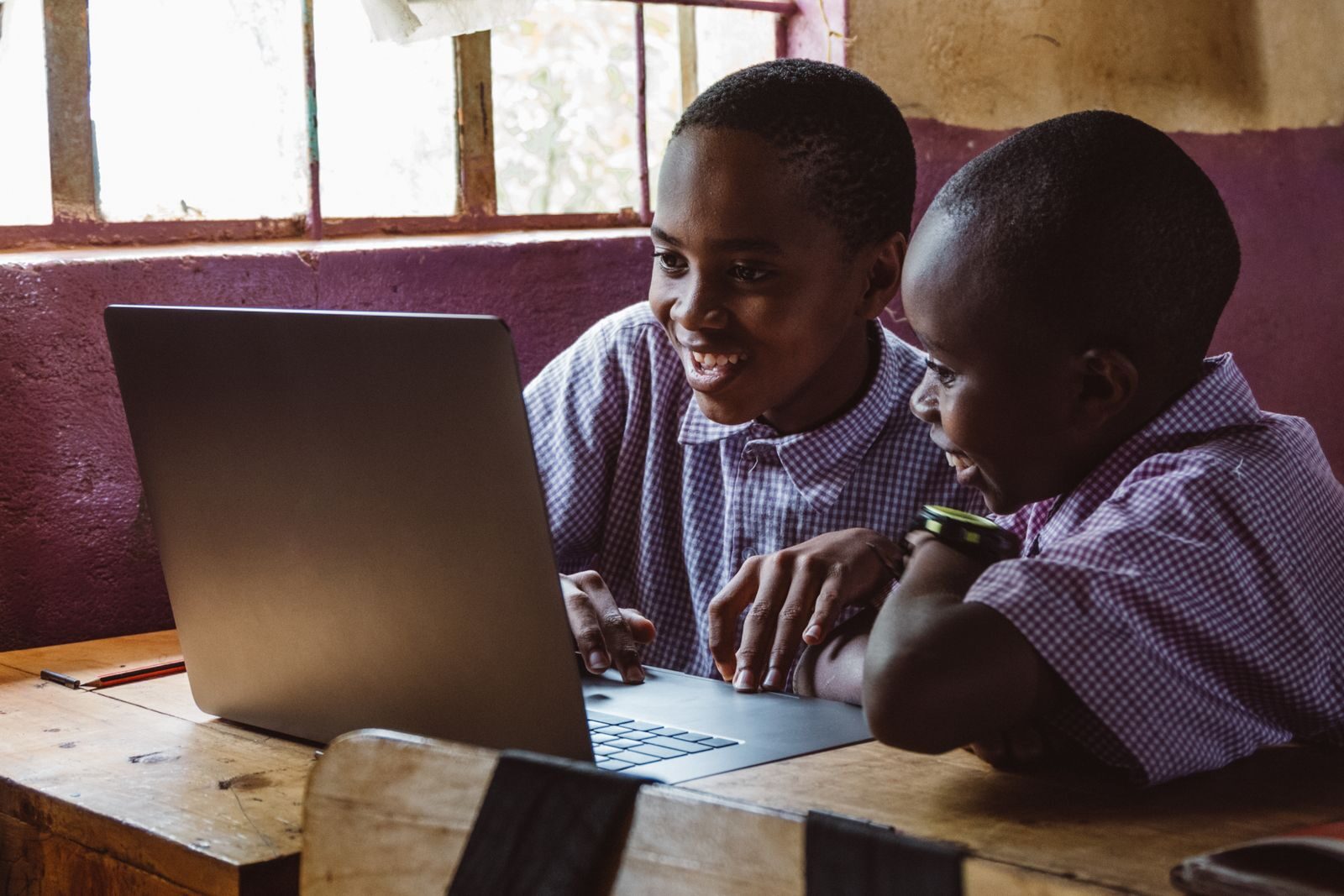
Many platforms are designed to work when the internet doesn’t. Nigeria’s uLesson lets students download video lessons while they have a connection and watch them later, offline. Kolibri, an open-source platform from Learning Equality, runs on a small local server in a school, so a whole class can use digital content with no internet at all.
Affordable: Doing More With Less
Cost is where technology can make the biggest practical difference. A single digital lesson can reach one learner or one million at almost the same cost. Open educational resources, such as free video lessons and downloadable textbooks, mean a school does not have to buy a new set of books every time the curriculum changes.
Even AI is being used on a shoestring. Rori, a maths tutor from Rising Academies, works inside WhatsApp, an app many families already use. A child in Ghana can practise maths with it without installing anything new, which keeps costs low for both families and schools.
Older technology still has a role too. During the COVID-19 school closures, several African governments leaned on radio and television lessons because those reach households that have no internet at all. They are not glamorous, but they work.
Inclusive: Learning That Fits the Learner
- Language matters
Children learn best in a language they understand, yet most digital content is in English or French. Projects like the African Storybook initiative offer free children’s stories in many African languages. Meanwhile, communities such as Masakhane are building language tools for African languages, which could eventually power voice-based lessons for learners who struggle with reading.
- Reaching those who are often left out
Technology can help girls who miss school because of distance, safety or household duties, and learners with disabilities who benefit from audio lessons or text-to-speech tools. It can also help adults who left school early and want a second chance, studying at night after work. None of this happens automatically, though. Inclusion has to be designed in from the start.
What Still Gets in the Way
It would be dishonest to pretend the path is smooth. Mobile data remains expensive for many families. Electricity is unreliable in many communities. Some teachers have never been trained to use digital tools, and a tablet in a locked cupboard helps nobody. Quality varies widely, and children’s data needs protecting. Sadly, the learners most in need are often the hardest to reach.
What Seems to Work Best
A few lessons keep showing up. Start with the teacher. Tools succeed when they support teachers rather than try to replace them. Design for the basic phone first. If it works on the simplest device, it can reach the most people. Fit the local curriculum and language. Content that matches what children are tested on gets used. Make it work offline. Reliable beats flashy. Involve parents and communities. Learning sticks when families are on board.
A Closing Thought
Education has always been about opportunity, and for too long opportunity in Africa has depended on where you were born. Technology will not erase that overnight, and it cannot replace good teachers or well-funded schools. But it is giving more children a way in: through a text message, a downloaded lesson, a radio broadcast, a story in their mother tongue. The goal is not to make Africa’s classrooms look like someone else’s. It is to make sure that a curious girl in a distant village, with a basic phone and a good idea, can learn as far as her talent will carry her.