
Building Engineers Who Think Beyond Code: Why Mentorship and Knowledge Sharing Matter in Software Development


With the continued evolution of software development, I now understand that creating good software is just one part of being a good engineer. The ability to resolve issues, exchange experiences, assist other developers and contribute to the wider technology community is also important. As a software engineer, I believe an engineer’s contribution should not be measured only by the products they build or the code they write, but also by the people they help become better engineers.
Technology is a constantly changing field. New frameworks, tools, programming languages and development practices emerge regularly. Although it is important to keep up with these changes, one of the biggest challenges developers face, especially in the early stages of their careers, is knowing how to apply technical knowledge to real-world problems. Knowing how to use a framework is one thing; understanding why a particular technical solution is suitable, how to organise a scalable application or how to work effectively within an engineering team is another.
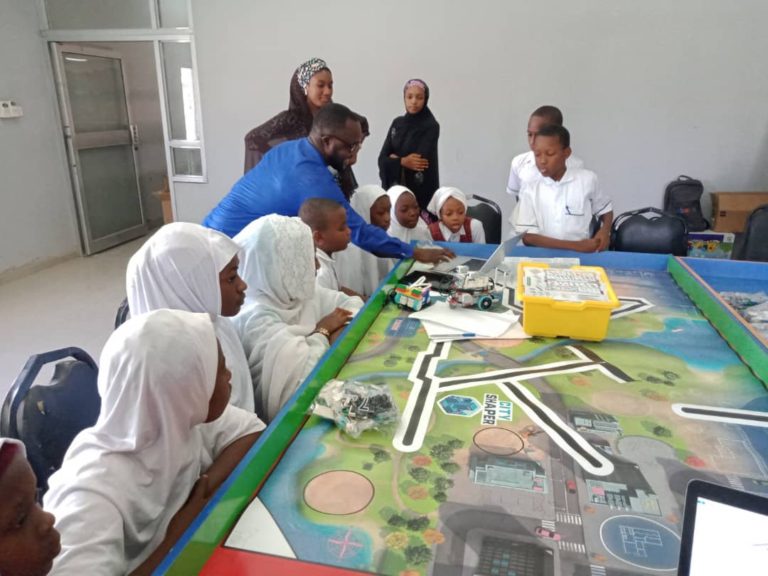
This is where mentorship and knowledge sharing become useful. Experienced developers can help reduce the learning curve for upcoming engineers by sharing what they have learnt, reviewing their work, explaining technical decisions and encouraging them to think through problems rather than simply follow instructions.
This has influenced the way I approach engineering. I see software development as work that involves learning from others and helping them grow as well. When working on software projects, I pay attention not only to whether a feature works but also to how it has been built, how easy it will be to maintain and whether another developer can understand and work with the codebase in the future. I also consider accessibility an important part of delivering a good solution.
I have also found the open-source community to be a good place to learn these values. Working on existing projects gives developers the chance to understand how other engineers approach their work, follow established standards, take part in code reviews and learn how to work within an existing system. This kind of experience is valuable because it takes learning beyond tutorials and personal projects. It allows developers to see how their technical decisions can affect other people and the wider project.
My involvement in developer communities, particularly React Native Nigeria, comes from my belief that I should contribute beyond my regular professional responsibilities. These communities give developers room to share ideas, discuss new technologies and learn from one another. They also make it easier for people to access technical knowledge that they might otherwise struggle to find. Through my participation, technical contributions and knowledge-sharing activities, I have come to appreciate that even small contributions can encourage other developers to learn, ask questions and become more involved.
I have also come to appreciate the role of constructive feedback in helping developers improve. Code reviews, for instance, should be more than a way to point out mistakes or approve changes. They give developers an opportunity to explain why they made certain decisions, suggest other ways of approaching a problem and help colleagues understand what works better and why. When someone understands the reason behind a particular solution, they are more likely to apply that knowledge when working on similar problems in the future.
Documentation and technical communication are equally important to me. A solution may work as expected, but if another developer cannot understand it or make changes when necessary, it can become difficult to maintain. Clear documentation, explanations of technical decisions and lessons learnt from solving problems make it easier for others to understand the work and benefit from the experience. I consider this an important part of being a responsible software engineer.
My experience working with frontend technologies such as React.js, Next.js, Vue.js and other web technologies has also shown me why continuous learning matters. Working with different tools and development environments has taught me not to become too attached to one technology. What matters more is understanding how things work, knowing the options available and choosing an approach that meets the actual needs of users and businesses.
I believe upcoming software engineers will need more than technical skills to make a meaningful contribution to the industry. They also need to know how to solve problems, communicate with others, work as part of a team and question existing approaches when necessary. Those of us who have gained experience in the field can help them develop these qualities by sharing what we know and giving them room to take part in meaningful technical work.
I want my contribution to software engineering to go beyond the applications and features I build. Creating useful technology is important, but I also value helping other developers gain the knowledge and confidence to build good software themselves. To me, engineering leadership is not just about making technical decisions or holding a senior position. It also comes through the quality of one’s work, the willingness to share experience, the support given to other developers and the effort made to help the engineering community improve.
As the technology ecosystem continues to grow, I believe we should pay attention to the people developing the technology, not just the products being created. Strong engineering communities do not depend on a few talented developers working independently. They grow when experienced professionals are willing to share what they have learnt, newer developers are given the encouragement to contribute, and people can build on the knowledge shared by others.
Written by Charles Nweke .