Africa’s Cross-Border Payment Problem Is Still Unsolved — Here’s Why

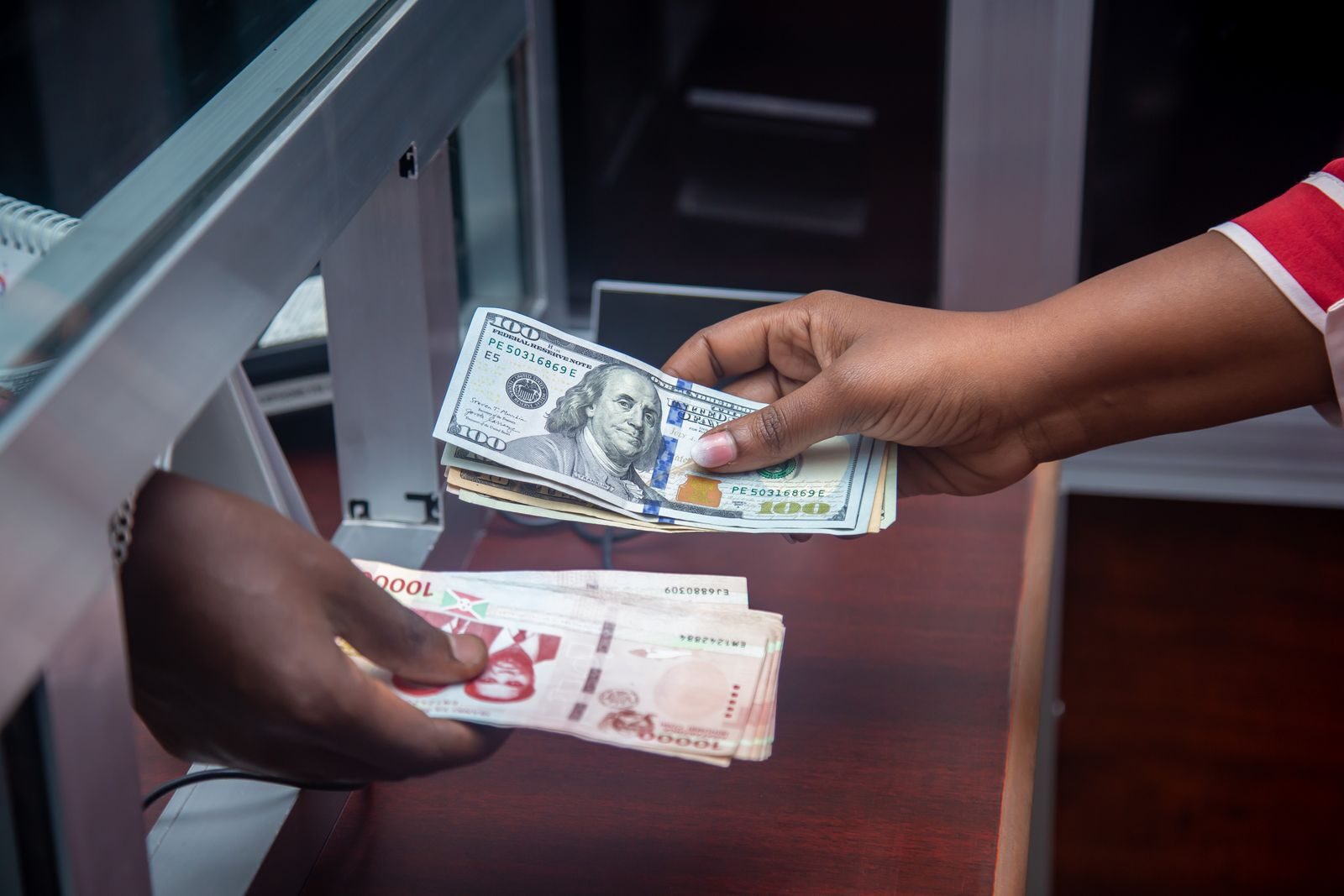
Send money from Lagos to Accra, two cities a two-hour flight apart, and there is a decent chance it will still pass through a bank in New York or London before it reaches its destination. That detour, and the fees and delays that come with it, is the clearest illustration of a problem the continent has been trying to fix for the better part of a decade. Moving money between African countries remains harder, slower, and more expensive than it should be.
This is not for lack of effort. Continental institutions, central banks, and a wave of well-funded fintech startups have all taken a run at it. Progress is real and measurable. But the underlying problem, a payments landscape built around 54 different regulatory regimes and more than 40 currencies, has proven resistant to any single fix.
Why a Simple Transfer Gets Complicated
Africa’s cross-border payment problem is not really one problem, but several layers on top of each other. Currency fragmentation is one: the continent has over 40 currencies, most with limited liquidity outside their home markets, which is why a naira-to-cedi transfer often gets converted into dollars and back again rather than exchanged directly, according to an analysis by TechBuild Africa.
Regulatory fragmentation is another. Each of the 54 countries runs its own central bank framework, its own know-your-customer and anti-money-laundering rules, and its own capital controls, meaning a fintech licensed in Nigeria generally cannot simply extend that license into Kenya or Ghana. A recent TechCabal Insights report on the Central Bank of Nigeria’s fintech survey found that 62.5 percent of fintech stakeholders already operate in, or plan to expand into, other African markets, and the same share backs the idea of regulatory passporting to cut down on duplicated licensing.
The result of these layers stacking up is a system still leaning heavily on correspondent banking, the decades-old model in which payments route through intermediary banks holding US dollar or euro accounts. That model was built for a different era of trade and was never designed around intra-African flows.
One estimate puts the cost gap between correspondent-bank routing and newer local-currency rails at as much as 27 percent on the same transaction. Sub-Saharan Africa remains the world’s most expensive region to send money to and from, with average remittance costs around 8.4 to 8.8 percent, well above the United Nations’ 3 percent target, according to World Bank remittance data cited by Fence Africa24.
PAPSS Was Supposed to Fix This
The most ambitious institutional response so far is the Pan-African Payment and Settlement System, or PAPSS, an Afreximbank initiative built with the African Union and the AfCFTA Secretariat. Launched in 2022, PAPSS lets banks and payment providers settle transactions in local currencies without routing them through the dollar, and it has expanded steadily since. By early 2026, it covered 19 African countries, connecting more than 160 commercial banks and over 15 national payment switches, with Nigeria among its most active markets, thanks to existing domestic rails run by NIBSS.
The system’s recent expansion has been notable. In February 2026, PAPSS and Onafriq launched what they described as Africa’s first wallet-based outbound payment corridor from Nigeria, allowing users to send naira and have recipients receive cedis directly, without a dollar intermediary. Kenya’s Pesalink connected to PAPSS the same month, extending the network into East Africa’s mobile money ecosystem. These are genuine steps toward the kind of interoperability the continent has lacked.
But PAPSS covers 19 of 54 countries, which means most of the continent still sits outside it. Adoption within connected countries is also uneven. Awareness among small and medium enterprises remains low, and integrating West and Central African currency zones under UMOA and CEMAC has proven especially slow, according to reporting from the Mobile Ecosystem Forum. A Ghana-based media professional told TechCabal in March that he had to open a separate bank account just to receive payments from Nigerian clients, describing available mobile-money corridors as still confined to sandbox testing rather than open to everyone.
What This Means for Nigerian and African Fintech
For Nigerian fintech founders building beyond domestic borders, the practical consequence is that scale still requires navigating each market separately: new licenses, new compliance teams, new banking relationships. Flutterwave and other companies that have expanded across multiple African markets have generally done so bilaterally, corridor by corridor, rather than through any unified passporting regime, because no such regime yet fully exists.
Two other forces are reshaping the picture outside the formal payments layer. Stablecoin usage has grown quickly in markets with thin FX liquidity, with Nigeria recording tens of billions of dollars in decentralized finance value in 2024 alone, making Sub-Saharan Africa a global leader in that category, per figures cited in a developer analysis of the continent’s fintech stack. Regulators have been slower to respond to that shift than the market itself has moved, leaving stablecoin-based settlement in a regulatory grey zone in most jurisdictions, Nigeria included.
The Honest Picture
None of this means the problem is unsolvable, and the direction of travel is genuinely positive: more countries joining PAPSS, more bilateral corridors opening, more pressure from fintech operators for regulatory harmonization.
What it means is that cross-border payments in Africa are being fixed the way most large infrastructure problems get fixed, unevenly, corridor by corridor, institution by institution, rather than through one continental switch flipping at once. Businesses and consumers moving money across African borders today are, in effect, operating in a transition period. The old correspondent-banking system is contracting. Its replacement is still being built, one connection at a time.