
How Trust Is Shaping the Future of Business, Innovation, and Customer Loyalty

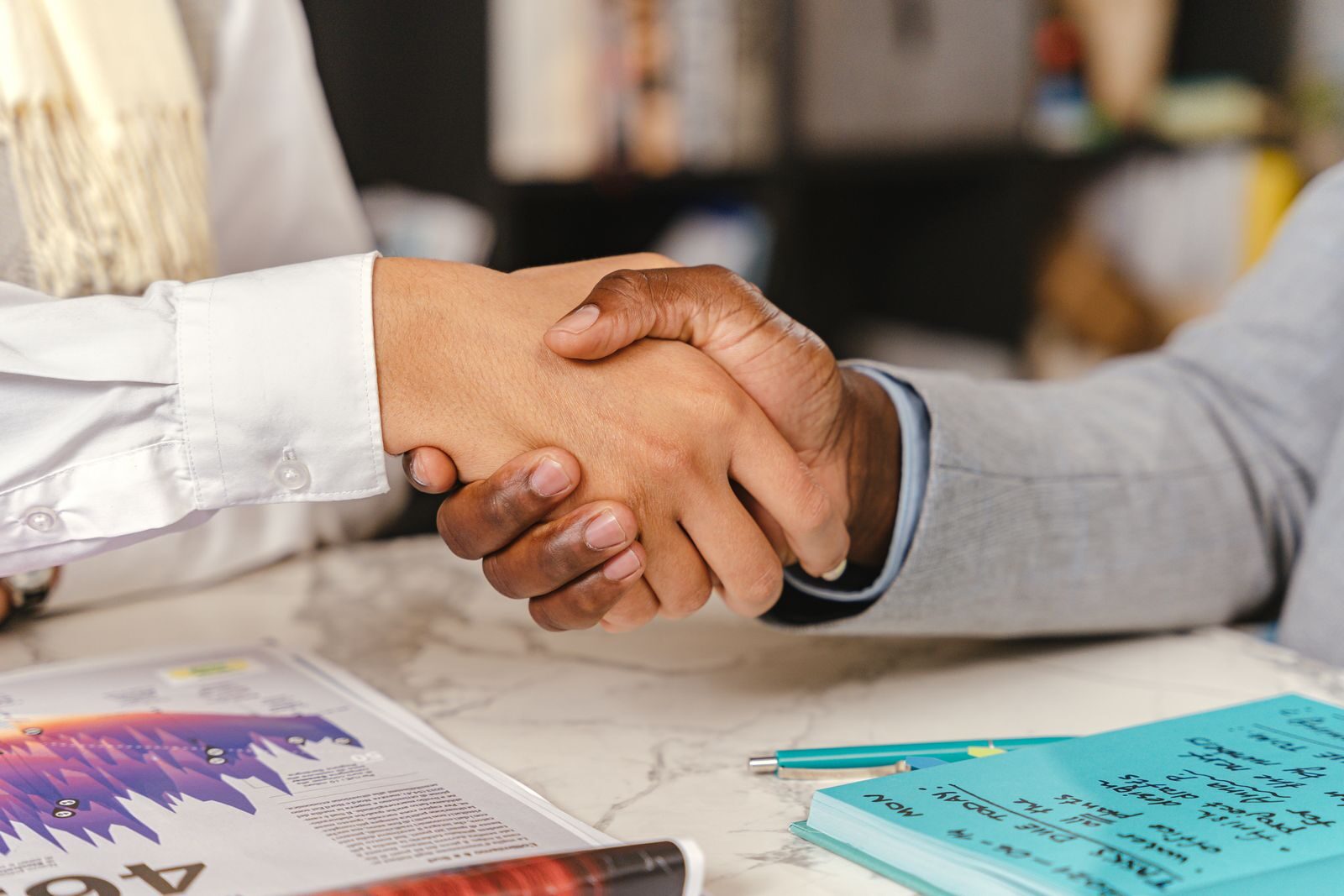
There’s a market woman in Onitsha who will let you take goods on credit and pay next week, no paperwork, no signature, just a nod and a promise. That nod is worth more than most contracts. It’s the same currency that keeps a mechanic’s shop running on referrals alone, or convinces a customer to send money to an account they’ve never seen in person because “everyone says the app works.” Trust has always been the real currency of commerce. What’s changed is how fast it can be built, and how quickly it can be destroyed.
Trust Used to Take Years. Now It Takes Seconds, Or a Screenshot
A generation ago, trust was built slowly: a shop that stayed open through hard times, a supplier who never shorted your order, a name that meant something in the neighborhood. That kind of trust still matters, but today it’s joined by a faster, more public version. One viral tweet about a delayed delivery, one WhatsApp voice note complaining about a bank, and one Instagram review can shape a business’s reputation before the founder even hears about the complaint. Reputation used to spread by word of mouth over months. Now it spreads by word of thumb in minutes.
This shift means businesses can no longer treat trust as something earned once and banked forever. It has to be re-earned in every transaction, every delivery, every customer service reply.
Why Trust Has Become a Business Model
Look at how mobile money and fintech spread across the continent. Services like M-Pesa in Kenya didn’t win because they were the cheapest option; they won because people trusted that their money would arrive, that agents wouldn’t disappear with their cash, and that the system worked even in places banks never bothered to reach. Paystack and Flutterwave grew the same way: by making online payments feel safe enough that a small business owner in Enugu would trust a stranger’s card details to go through correctly, and that the money would actually land in their account.
In each case, the product wasn’t just software. It was a trust infrastructure. And once people trust a system, they don’t just use it, they defend it, recommend it, and forgive it when things occasionally go wrong.
The Cost of Broken Trust Is Higher Than Ever
The flip side is unforgiving. A ride-hailing app that overcharges once might lose a customer for good, because that customer now has three other apps on their phone and zero patience for being taken advantage of twice. In markets where options have multiplied, loyalty is no longer captured by convenience alone. It’s captured by consistency.
Innovation Without Trust Doesn’t Scale
Plenty of brilliant products have failed not because the idea was weak, but because people didn’t trust them enough to adopt them at scale. Agritech platforms promising better prices for farmers have struggled in places where farmers had been burned before by middlemen making similar promises. The lesson isn’t that the technology was flawed; it’s that innovation moves at the speed of trust, not the speed of ambition.
This is why the most successful founders spend as much energy on transparency as they do on features. Showing customers exactly how a loan interest rate is calculated, being upfront when a delivery will be late instead of going silent, admitting a mistake publicly before it becomes a rumor, these things look small, but they compound.
Building Trust Deliberately, Not Accidentally
Trust isn’t a marketing line. It’s a design choice. It shows up in how quickly a business responds to complaints, how honestly it prices its products, and how it treats staff who then treat customers the way they’ve been treated. Businesses that build trust deliberately, through consistent delivery, honest communication, and accountability when things go wrong, are the ones customers stick with even when a cheaper competitor shows up.
The Bottom Line
The businesses that will lead the next decade won’t necessarily be the ones with the flashiest products or the biggest funding rounds. They’ll be the ones customers believe in, the ones people are willing to vouch for the way that market woman vouches for a familiar face. In the end, trust isn’t just good ethics. It’s good business, and it always has been.