
Samuel Edet: Smart Businesses Leverage Cybersecurity to Gain Competitive Advantage

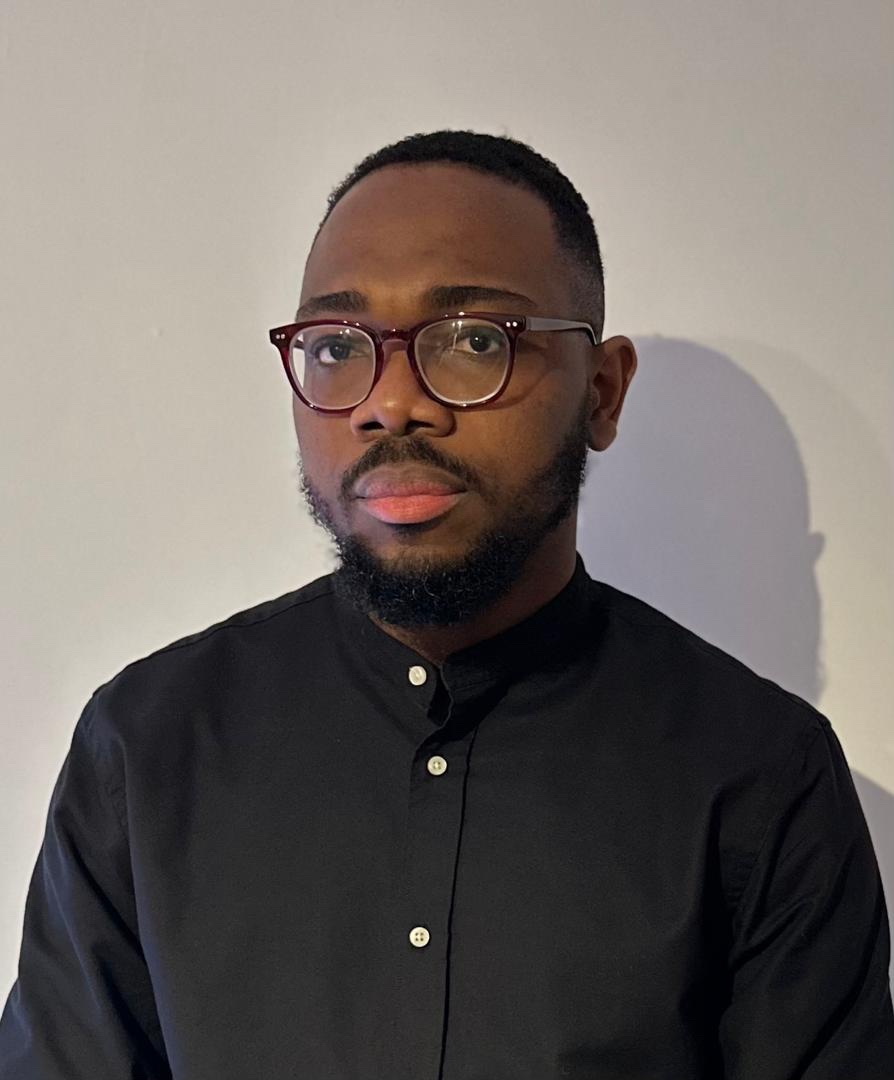
In today’s digital economy, cybersecurity is no longer just an IT concern, it is fast becoming a strategic business differentiator.
In this interview, Samuel Francis Edet, a Growth Analyst with experience across retail, FMCG, and logistics, explains why forward-looking businesses are rethinking cybersecurity as a driver of growth, trust, and resilience.
Q: Many organisations still see cybersecurity as a cost centre. Why do you believe that mindset is outdated?
Samuel Francis Edet: That mindset is outdated because cybersecurity has evolved beyond being a defensive IT expense. In the digital economy, trust is currency. Customers, partners, and investors increasingly choose organisations they believe can protect data, transactions, and digital experiences.
When businesses treat cybersecurity as a strategic asset, they unlock faster growth, stronger partnerships, and higher market confidence. Today, security is not just about avoiding losses, it’s about enabling scale.
Q: How does cybersecurity directly contribute to business growth?
Edet: Cybersecurity is a foundation for digital transformation. You simply cannot scale e-commerce, cloud platforms, fintech solutions, or AI-driven services without strong security in place.
From my experience across retail, FMCG, and logistics, organisations with mature security frameworks move faster. They launch digital channels confidently, adopt cloud technologies without hesitation, and build customer trust at scale. Security enables speed.
Q: Where does data protection fit into this growth narrative?
Edet: Data is the most valuable asset any modern business owns. Once data is compromised, customer trust disappears instantly.
Strong cybersecurity protects data, ensures regulatory compliance, and strengthens brand credibility. When customers know their information is safe, they engage more, transact more, and remain loyal. In competitive markets, trust becomes a differentiator—and cybersecurity is what sustains that trust.
Q: How do analytics and data-driven decision-making improve cybersecurity?
Edet: Modern cybersecurity is driven by data and analytics. With the right tools, organisations can monitor threats in real time, detect anomalies early, predict risks, and respond faster.
Security teams can shift from reactive firefighting to proactive risk management. I strongly believe cybersecurity should be measured like any other business function—using KPIs, dashboards, and performance metrics. Once security visibility reaches board level, it becomes a strategic priority, not just a technical issue.
Q: Many SMEs believe cybersecurity is too expensive. What is your message to them?
Edet: My message is simple: SMEs cannot afford not to invest in cybersecurity. Small and medium-sized businesses are now prime targets because attackers assume their defences are weaker. A single breach can erase years of hard-earned reputation and customer trust.
The good news is that cloud security, automation, and managed security services have made enterprise-grade protection more accessible than ever. Cybersecurity is no longer a luxury, it’s a growth investment.
Q: How is artificial intelligence changing the cybersecurity landscape?
Edet: AI is transforming cybersecurity from a reactive function into an intelligent defence system. AI-powered platforms can analyse vast amounts of data, identify suspicious behaviour, and stop attacks before real damage occurs.
Automation reduces response times from hours to seconds. In the future, the most resilient organisations will be those that combine AI, cloud security, and real-time analytics into a unified digital defence strategy. The result is a business that is more agile, resilient, and trusted.
Q: What final message would you leave with business leaders?
Edet: Cybersecurity is not a cost centre, it is a growth engine.
It protects data, strengthens brands, accelerates digital transformation, and builds lasting customer trust. In a digital-first world, the most successful companies will be the most secure ones. The future belongs to organisations that see cybersecurity not as an expense to minimise, but as a strategic investment that powers sustainable growth.