
Meta Launches Muse Image, Its First In-House AI Image Generator, as Competition in Visual AI Intensifies

Meta has begun rolling out Muse Image, the first image-generation system built entirely by Meta Superintelligence Labs, the research division the company assembled last year to lead its push toward advanced AI. The tool is now live inside Meta AI, the assistant embedded across Facebook, Instagram, WhatsApp and Messenger, marking Meta’s most direct entry yet into a market already crowded with rivals such as OpenAI’s image tools and Google’s Gemini-based generators.
A Creative Layer Built on an Earlier Model
Muse Image builds on Muse Spark, the conversational model Meta introduced earlier this year to make its AI assistant more responsive to individual users. Where Spark handled dialogue, Muse Image extends that groundwork into visuals — letting people describe an idea in plain language and receive a finished image they can save or post directly to a chat, story or feed. The system reportedly plans its output before rendering, drawing on real-time web context and combining multiple reference photos where needed, rather than generating an image from a single static prompt.
For users, the practical shift is that requests can be conversational rather than technical. A person can ask for a version of themselves outside a historical landmark, request that a distracting figure be edited out of a photograph, or generate an infographic with readable, correctly rendered text, a feature that has often tripped up earlier generations of image models.
Rollout Across Meta’s Apps
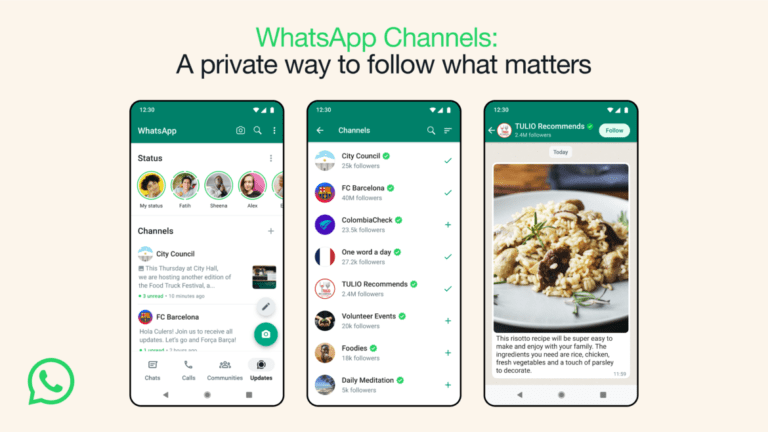
The feature is arriving first through Meta AI, with more than 30 new AI-driven effects also going live on Instagram Stories and image generation now available inside WhatsApp chats in a limited number of markets, with broader availability expected to follow. Meta has said the tool will extend to Facebook and Messenger in the coming months, and that advertisers will eventually be able to use it through the company’s Advantage+ creative suite for ad production.
One added function lets users tag Instagram accounts within Meta AI to pull in public photos from those profiles for use in a generated image, useful for things like event invitations or shared creative projects. Meta has built in a setting allowing people to opt out of having their content used this way.
Basic use of Muse Image will be free, though Meta has tied expanded access to its existing subscription tiers — a structure similar to the freemium model most competing AI image tools have already adopted.