
Google Gemini’s Avatar Tool Expands Access to Paid Subscribers

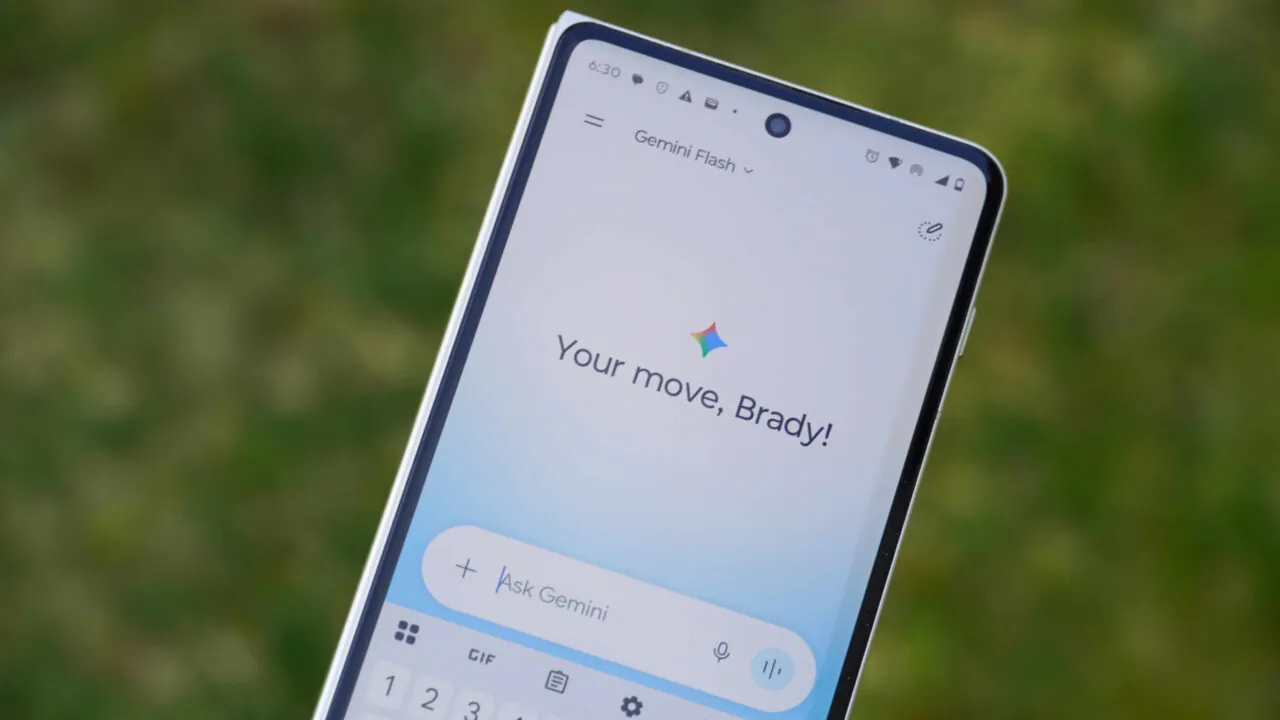
Google has begun a broader rollout of its AI-powered Avatar feature within the Gemini app, making the tool available to paying subscribers across its AI Plus, Pro, and Ultra subscription tiers. The feature, which enables users to generate personalised video content using a digital replica of their own face and voice, had been in limited testing since early in the year before this wider release.
What the Feature Does
The Avatar tool is designed to recreate a user’s appearance and voice for use in AI-generated videos. Once a user sets up their avatar, they can instruct Gemini to produce videos in different styles, settings, and scenarios — with their AI likeness as the subject. The entire process runs within the Gemini app, requiring no additional software.
Setup involves a guided enrollment process where users look into their phone’s camera, move their head, and read specific numbers aloud — allowing the system to map facial structure and voice. After completion, the avatar can be summoned in Gemini chats using simple commands like @me or the user’s account name.
The underlying technology is Google’s Gemini Omni model, a new multimodal model from Google DeepMind designed to generate and edit video from combinations of image, audio, video, and text inputs.
Guardrails Built In
Google has incorporated several protections into the feature, acknowledging the obvious risks that come with technology capable of producing convincing digital replicas of real people.
Users must be at least 18 years old to create an avatar, and every video generated carries Google’s SynthID watermark — an invisible signal embedded into the footage that can be detected through Google’s verification tools to confirm whether content is AI-generated.
According to Google’s disclosure at I/O 2026, SynthID has now been applied to over 100 billion AI-generated images and videos since its launch. The watermark is embedded directly into a video’s pixels at the moment of generation and is designed to survive common post-processing operations that might otherwise erase a surface-level identifier. Verification can be done through the Gemini app, Gemini in Chrome, or Google Search.
Google has also made the avatar feature optional, with users retaining the choice to continue uploading their own photos instead.
Subscription and Access
The feature is currently limited to subscribers on Google’s AI Plus, Pro, and Ultra plans. Google has not indicated whether Avatar access will eventually extend to free-tier users.
Context and Implications
The Avatar rollout is part of a broader push by Google into AI-generated video. Gemini Omni Flash, the first model in the Omni family, went live on May 19, 2026, with clips capped at 10 seconds and SynthID watermarking switched on by default.
The deepfake problem looms over any feature of this kind. Google’s own chief executive Sundar Pichai acknowledged at I/O 2026 that research shows people correctly identify high-quality deepfake videos only around a quarter of the time. That figure gives weight to the company’s decision to embed authentication infrastructure from the start, rather than as an afterthought.
For users across Africa and Nigeria, where smartphone penetration continues to grow and platforms like YouTube and TikTok have turned content creation into a genuine economic activity, tools that lower the barrier to professional-looking video are increasingly relevant. The question of whether such features will be priced accessibly for markets where purchasing power differs significantly from the US and Europe remains open — and unanswered by Google in this rollout.