
How Mobile Money Reshaped Nigeria’s Payment Infrastructure

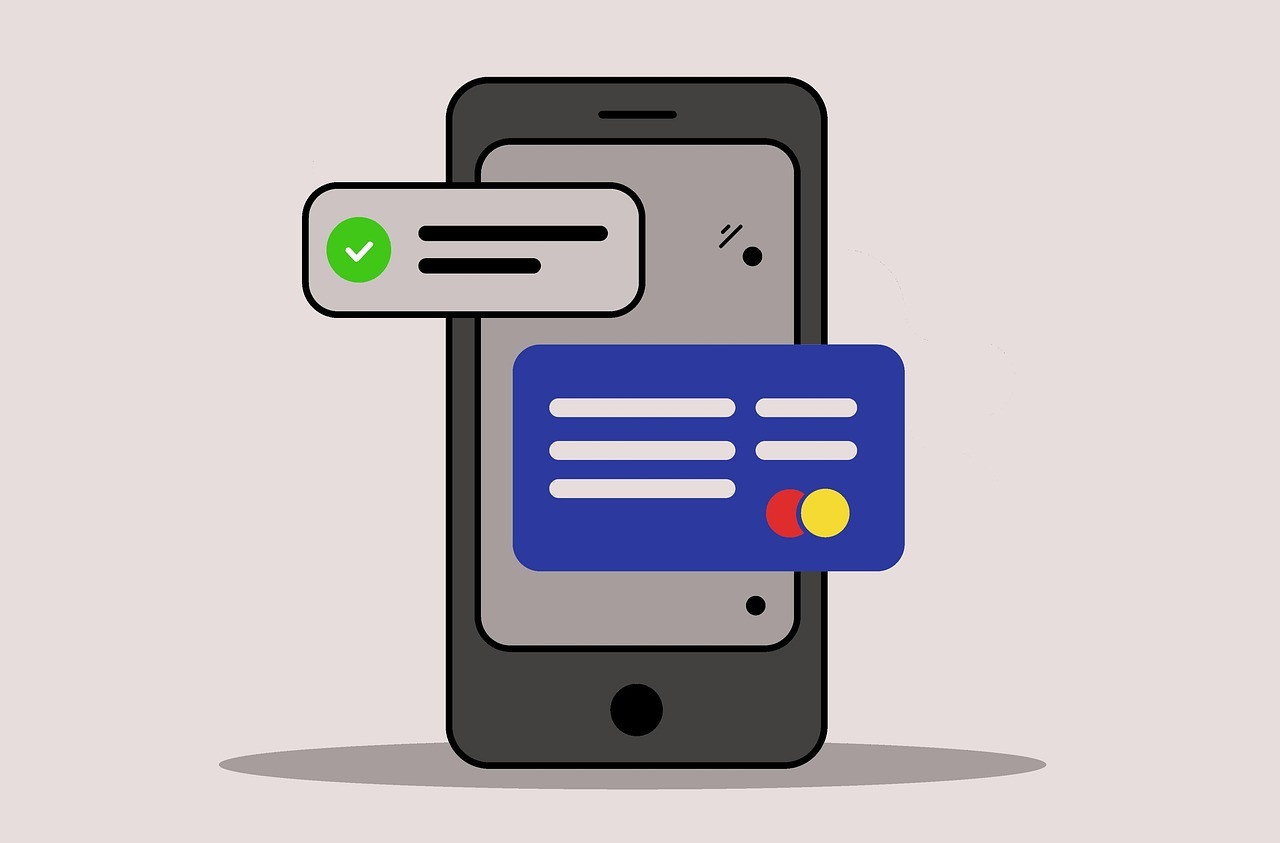
Nigeria’s financial landscape has undergone a structural transformation over the past decade, driven largely by the expansion of mobile money services. What began as a solution for financial inclusion has evolved into a fundamental piece of the country’s payment architecture, altering how millions of Nigerians transact, save, and access credit.
The shift did not happen overnight. It required regulatory adjustments, infrastructure investments, and a collision of necessity with technological possibility.
The Pre-Mobile Money Reality
Before mobile money gained traction, Nigeria’s financial system operated on a binary: you either had a bank account, or you dealt almost entirely in cash. According to Enhancing Financial Innovation and Access, roughly 36.8% of Nigerian adults remained outside the formal banking system as of 2018. Rural areas presented the starkest gaps, where physical bank branches were sparse and transaction costs prohibitive.
Cash dependency created inefficiencies. Small businesses struggled with liquidity management. Remittances required physical travel or informal courier networks. Payment reconciliation was manual and prone to error.
The telecommunications sector, meanwhile, had achieved what banks had not: ubiquity. Mobile phone penetration rates climbed steadily through the 2000s, creating a distribution channel that reached far beyond traditional financial infrastructure.
Regulatory Frameworks and Market Entry
The Central Bank of Nigeria (CBN) issued guidelines for mobile money operations in 2009, establishing a framework that would allow telecommunications companies and other non-bank entities to offer payment services. This regulatory opening was critical. It separated payment facilitation from full banking licenses, lowering barriers to entry.
By 2015, the CBN had introduced Payment Service Banks (PSBs), a licensing category designed explicitly for mobile money operators. The framework permitted these entities to accept deposits, facilitate payments, and issue debit cards, but prohibited lending—a deliberate constraint to manage risk while expanding access.
Telecommunications operators moved quickly. MTN, Airtel, and 9mobile launched mobile money platforms leveraging their existing subscriber bases and agent networks. These platforms did not require smartphones. USSD codes allowed feature phone users to transfer money, pay bills, and check balances through simple text-based menus.
The agent network model proved essential. Rather than building costly brick-and-mortar branches, operators recruited small retailers, kiosks, and market vendors as cash-in/cash-out points. According to the Nigeria Inter-Bank Settlement System, the number of active mobile money agents surpassed 1 million by 2023, creating a distributed payment infrastructure denser than any bank branch network could achieve.
Adoption Patterns and Use Cases
Mobile money adoption followed predictable fault lines. Urban centers saw faster uptake, driven by smartphone penetration and digital literacy. But rural areas, once connectivity improved, demonstrated strong demand for basic transactional services.
Remittances became a primary use case. Families separated by geography could send funds instantly without traveling to a bank or relying on informal couriers. Transaction costs dropped. Speed increased. The friction that once governed domestic money transfers diminished substantially.
Bill payments followed. Electricity, water, and airtime purchases migrated to mobile platforms. The ability to settle these obligations without queuing at payment centers or handling physical cash represented a tangible improvement in daily logistics for millions of households.
Merchant payments took longer to develop. Many small vendors resisted, preferring cash for its immediacy and lack of transaction fees. But as platforms reduced costs and improved settlement times, acceptance grew. By 2022, mobile money transaction volumes had reached approximately 577 million monthly transactions.
Infrastructure Challenges and Fragmentation
Despite growth, structural challenges persist. Network reliability remains inconsistent, particularly outside major cities. Failed transactions occur with enough frequency to erode user confidence. Dispute resolution processes are often opaque, leaving customers with limited recourse when transfers go missing or accounts are incorrectly debited.
Interoperability between platforms has improved, but fragmentation still exists. Users frequently maintain accounts on multiple platforms to ensure they can transact regardless of which service a recipient uses. The Nigeria Interbank Payment System (NIBSS) introduced Instant Payment (NIP), which links bank accounts and mobile wallets, but adoption gaps remain.
Security concerns complicate the picture. Fraud schemes targeting mobile money users have evolved in sophistication. SIM swap attacks, phishing, and social engineering tactics exploit vulnerabilities in both technology and user awareness. Operators have implemented two-factor authentication and biometric verification, but risks have not been eliminated.
Competitive Dynamics and Fintech Convergence
The mobile money space has grown more crowded. Traditional banks, initially slow to respond, launched their own digital wallet products. Fintech startups introduced payment apps with features that blurred the line between banking and mobile money.
Competition intensified around 2019, when several fintech companies secured Payment Service Bank licenses. These firms brought different approaches—some focused on merchant ecosystems, others on savings and investment products layered atop payment functionality.
This convergence raised questions about market segmentation. Mobile money platforms, initially positioned as tools for the unbanked, began offering services that overlapped with traditional banking. Micro-loans, insurance products, and investment accounts appeared on platforms originally designed for simple transfers.
The regulatory response has been cautious. The CBN has tightened oversight, introducing transaction limits and enhanced know-your-customer (KYC) requirements to manage systemic risk. These measures aim to balance financial inclusion goals with prudential concerns, though they have also introduced compliance burdens that smaller operators struggle to meet.
Economic and Social Implications
Mobile money’s expansion has produced measurable economic effects. Small businesses report improved cash flow management and reduced theft risk. Women, who often face greater barriers to formal banking, have used mobile money to access financial services independently.
The shift has also generated data. Transaction histories, once invisible in a cash economy, now exist in digital form. This data enables credit scoring models that can assess risk for individuals without traditional banking relationships. Lenders have begun using mobile money records to underwrite small loans, expanding credit access in ways previously impossible.
But the transformation is incomplete. Digital literacy gaps remain. Older populations and those in remote areas still face barriers to adoption. Infrastructure deficits, unreliable electricity, and limited internet connectivity constrain usage in certain regions.
The question of financial inclusion versus financial health also arises. Access to mobile money does not automatically translate to improved financial outcomes. High transaction fees, particularly for cash-out services, can erode the benefits for low-income users. Over-reliance on microcredit products offered through mobile platforms has raised concerns about debt accumulation.
What Comes Next
Nigeria’s mobile money ecosystem continues to evolve. Open banking initiatives may further integrate mobile wallets with traditional financial services. Cross-border payment corridors are expanding, potentially reducing remittance costs for the Nigerian diaspora.
Yet several variables remain uncertain. Regulatory direction will shape competitive dynamics and service innovation. Infrastructure investments will determine whether coverage gaps narrow or persist. User behavior, particularly around trust and security, will influence how deeply mobile money embeds itself in economic life.
What is clear is that mobile money has fundamentally altered Nigeria’s payment landscape. The change is structural, not superficial. Whether it proves sufficient to address the country’s broader financial inclusion challenges remains an open question, one that will be answered by policy choices, market forces, and technological development in the years ahead.