
eSIM Technology Gains Ground Across African Markets Despite Infrastructure Challenges

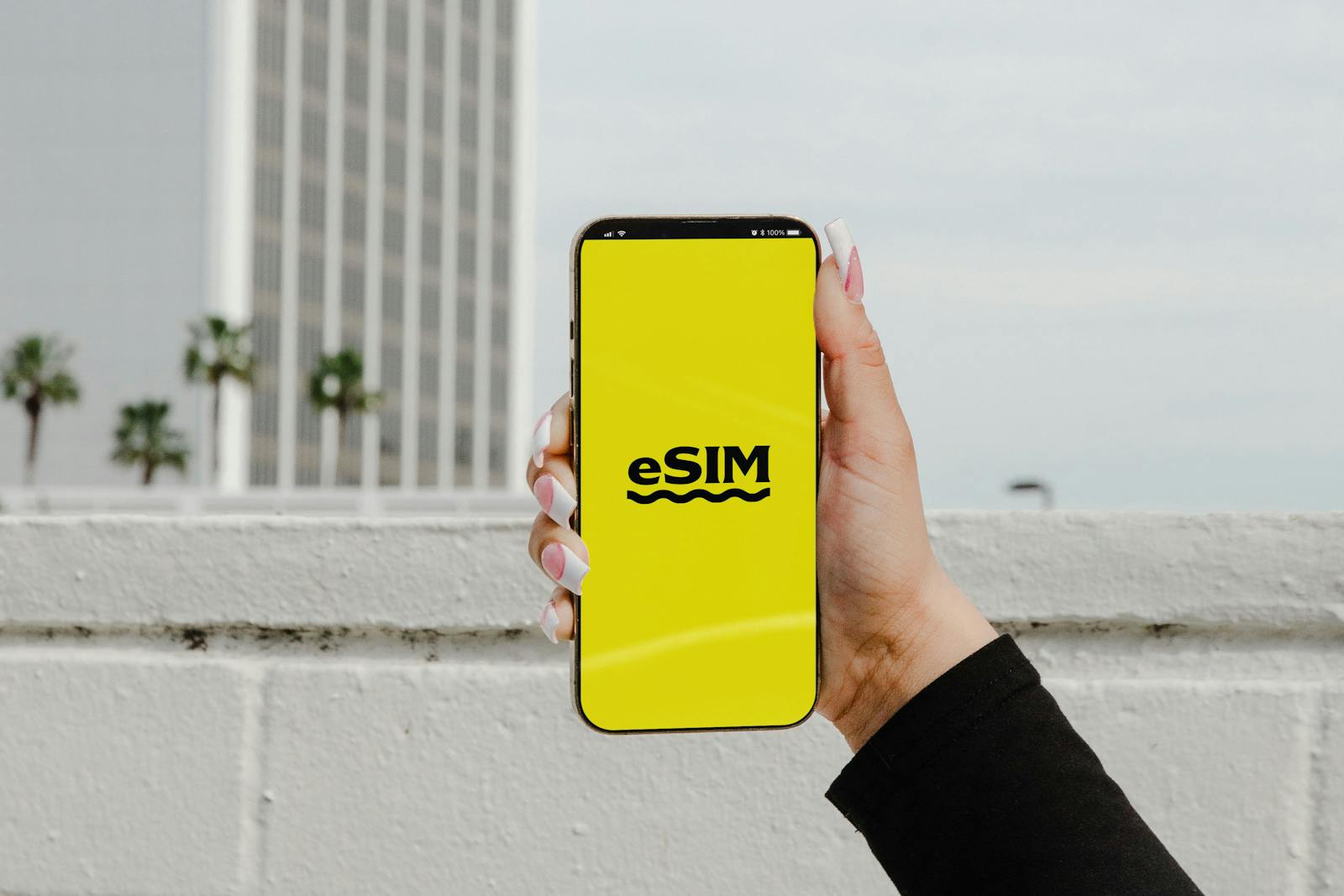
Mobile network operators across Africa are beginning to roll out embedded SIM (eSIM) technology, marking a shift in how the continent connects to cellular networks. While adoption remains uneven, several countries have moved beyond pilot phases into commercial deployment, raising questions about readiness, regulation, and the practical implications for users and telcos alike.
What eSIM Deployment Looks Like on the Ground
Embedded SIM card chips soldered directly into devices, rather than removable plastic cards, have been commercially available in select African markets since 2019. South Africa’s major operators, including Vodacom and MTN, were among the first to offer eSIM services, followed by Kenya’s Safaricom in 2020. Nigeria saw limited launches from MTN Nigeria and Airtel in 2022, though availability has been restricted to specific device models and customer segments.
The technology allows users to activate mobile plans digitally, without physically swapping SIM cards. In markets where multiple SIM usage is common, often driven by coverage gaps or price arbitrage between networks, this presents both opportunity and friction. A user in Lagos or Nairobi can, in theory, switch carriers without visiting a retail outlet, but only if their device supports eSIM and their operator has enabled the service.
Industry data suggests fewer than 5% of active mobile connections in sub-Saharan Africa currently use eSIM technology, according to GSMA’s 2024 Mobile Economy report. The gap between technical availability and actual uptake reflects deeper structural realities.
Device Availability and Cost Barriers
eSIM functionality requires compatible hardware. In African markets, where the majority of smartphones sold are entry-level or mid-range Android devices, eSIM support remains sporadic. Apple iPhones from the XS series onward include eSIM capability, but these devices represent a small fraction of the continent’s installed base.
Samsung, Oppo, and other manufacturers popular in African markets have introduced eSIM-compatible models, but often only in their premium lineups. A device that supports eSIM may cost $300 or more, placing it beyond reach for many users. The average smartphone price in Nigeria, for example, hovers around $150.
This creates a segmentation effect: eSIM becomes accessible primarily to higher-income users, business travelers, and expatriates, groups already served by existing SIM infrastructure. For the broader population, the transition offers limited immediate value.
Regulatory Questions and Identity Verification
Mobile subscriber registration in most African countries requires physical identity verification, a process tied to SIM card issuance. Nigeria’s National Identity Number requirement, Kenya’s Huduma Namba linkage, and similar frameworks across the continent assume a physical touchpoint between subscriber and network.
Shifting to eSIM-based onboarding introduces technical and procedural challenges. Remote identity verification using biometric data, document scans, or digital ID systems exists in some jurisdictions but is not standardized. South Africa’s RICA regulations, for instance, were designed around physical SIM distribution and have required regulatory interpretation to accommodate eSIM workflows.
In Nigeria, the Nigerian Communications Commission has not issued specific guidelines on eSIM identity verification procedures. Operators have proceeded with in-store activation models, which limit the technology’s core advantage: remote, instant provisioning. Until regulatory frameworks explicitly address digital onboarding, eSIM adoption may remain tethered to legacy processes.
Network Infrastructure and Business Incentives
Deploying eSIM requires backend infrastructure investment. Operators must implement Remote SIM Provisioning platforms and integrate them with existing billing, customer management, and fraud prevention systems. For telcos operating on thin margins, common across African markets, this represents additional capital expenditure with unclear return timelines.
There is also limited business incentive to accelerate eSIM adoption. Physical SIM cards create friction that benefits incumbents. A user must visit a store, provide documentation, and complete registration, steps that increase switching costs. eSIM reduces these barriers, potentially intensifying price competition and churn.
Some operators have positioned eSIM as a premium service, charging activation fees or limiting availability to postpaid plans. This approach generates incremental revenue but does not drive mass-market adoption. MTN South Africa, for example, initially charged an eSIM swap fee before later waiving it in response to competitive pressure.
Use Cases That May Drive Uptake
Certain scenarios present clearer use cases for eSIM technology in African contexts. International travelers benefit from the ability to activate local data plans without purchasing physical SIMs at airports or kiosks. This has prompted some operators to partner with global eSIM providers like Airalo and eSIM.me, which aggregate network access across regions.
IoT deployments connected vehicles, smart meters, and agricultural sensors, represent another potential growth area. eSIM simplifies device logistics for manufacturers and reduces the need for physical intervention once equipment is deployed. South Africa’s automotive sector has begun integrating eSIM into fleet management systems, and similar pilots are underway in Kenya’s agricultural tech sector.
Wearable devices, such as smartwatches with cellular connectivity, also rely on eSIM. However, wearables remain a niche market across most of Africa, limiting near-term impact.
What Remains Unclear
Several open questions shape the trajectory of eSIM adoption across the continent. Regulatory harmonization across African markets is inconsistent, making it difficult for device manufacturers and global operators to design unified strategies. The African Union’s ongoing work on digital identity frameworks may eventually provide common ground, but implementation remains fragmented.
Consumer awareness is another variable. Surveys conducted by Ericsson ConsumerLab in 2023 found that fewer than one in five mobile users in Nigeria and Kenya were familiar with eSIM technology. Without clear value propositions or operator education campaigns, demand may remain limited to early adopters.
The role of mobile money platforms also warrants attention. Services like M-Pesa, Airtel Money, and MTN MoMo are tightly integrated with SIM cards and mobile numbers. Migrating these systems to eSIM-based authentication introduces technical and security considerations that have not yet been fully addressed.
Implications for African Mobile Markets
eSIM adoption will likely follow a tiered pattern across Africa, with wealthier markets and urban centers moving faster than rural areas or lower-income segments. South Africa and Kenya may see steady growth as device penetration increases and regulatory clarity improves. Nigeria’s trajectory depends on regulatory action and whether operators perceive a competitive advantage in expanding eSIM access.
The technology introduces new dynamics around market entry and competition. Virtual network operators, which lease capacity from physical infrastructure providers, can launch services with lower overhead if eSIM provisioning replaces physical distribution. This could increase competition in some markets, though regulatory barriers to MVNO licensing remain significant in countries like Nigeria.
For consumers, the shift is incremental rather than transformational in the near term. Those with compatible devices and access to multiple networks may experience marginal convenience gains. Broader impacts depend on whether eSIM becomes a default rather than a premium feature, a transition that requires alignment of device economics, regulatory frameworks, and operator incentives.