
How Buy Now, Pay Later Services (BNPL) Is Gaining Ground Across African Markets

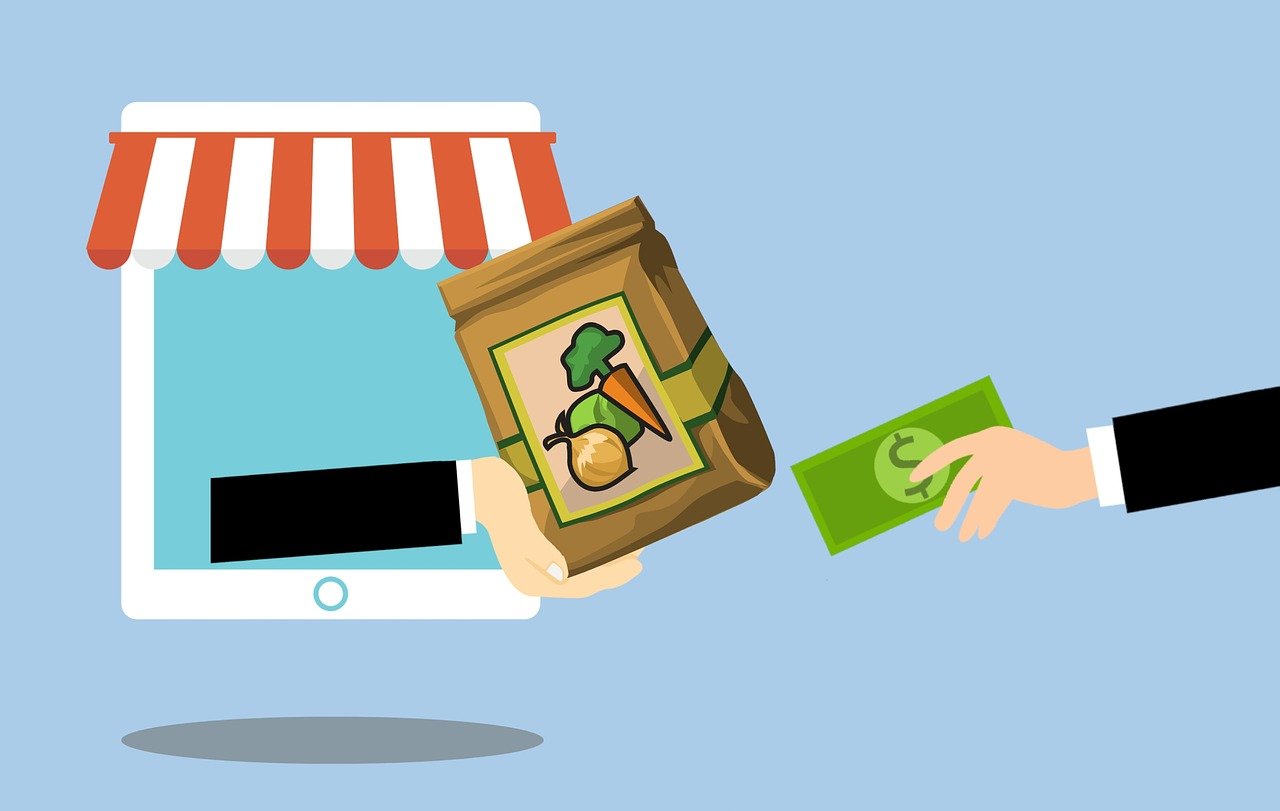
Financial technology companies offering buy now, pay later (BNPL) services have expanded operations across multiple African countries over the past three years, with transaction volumes rising in markets where traditional credit access remains limited.
The growth reflects broader changes in how African consumers access short-term credit, particularly among urban populations with smartphones but limited banking history. Several factors have converged to create conditions favourable to these services. They are increased smartphone penetration, expanding e-commerce platforms, and regulatory frameworks in certain countries that have yet to fully address this payment model.
Market Entry and Expansion Patterns
BNPL providers entered African markets through different channels. Some launched as standalone fintech companies, while others emerged as features within existing e-commerce platforms or mobile money services. Kenya, Nigeria, South Africa, and Egypt have seen the most significant activity.
In Nigeria, companies including Carbon, FairMoney, and Credpal have added BNPL options to their lending products. South Africa’s market includes players like PayJustNow and Payflex, which operate alongside international providers that have established local partnerships. Kenya’s technology sector has seen BNPL integration within mobile money ecosystems and standalone applications.
The services typically allow consumers to split purchases into instalments, often with no interest if payments are made on schedule. Late payment fees and other charges vary by provider and market.
Why African Markets Present Specific Opportunities
Traditional credit scoring systems in many African countries exclude large portions of the population. Banks often require extensive documentation, formal employment records, and collateral that many consumers cannot provide. This creates a gap between demand for credit and available supply through conventional channels.
BNPL services address this gap by using alternative data sources for credit decisions. Transaction history, mobile phone usage patterns, and digital footprints substitute for traditional credit reports. Approval processes that take minutes rather than days or weeks appeal to consumers accustomed to mobile money’s immediacy.
The model also aligns with purchasing patterns in markets where large upfront payments create barriers to consumption. Electronics, household goods, and education-related purchases represent common use cases, according to industry reports.
Regulatory Questions and Consumer Protection Concerns
The regulatory treatment of BNPL services remains inconsistent across African jurisdictions. Some countries classify these arrangements as credit products subject to existing lending regulations, while others have not clearly defined their legal status.
South Africa’s National Credit Regulator has indicated that BNPL services fall under the National Credit Act when they meet certain criteria, requiring providers to register and comply with responsible lending standards. Kenya’s regulatory approach has evolved as the Central Bank of Kenya monitors digital lending activity, though specific BNPL guidelines remain under development.
In Nigeria, the Central Bank of Nigeria has focused regulatory attention on digital lending broadly, issuing guidelines in 2022 that addressed loan collection practices and licensing requirements. How these apply to BNPL arrangements specifically continues to evolve as the sector matures.
Consumer protection questions centre on transparency, data privacy, and debt accumulation. Unlike traditional credit cards, BNPL services often position themselves as convenience tools rather than credit products, which may obscure the debt implications for users. Multiple BNPL commitments across different platforms can create repayment obligations that exceed what consumers anticipated.
Reports of aggressive debt collection practices in some markets have prompted regulatory scrutiny. The ease of obtaining BNPL approval may enable spending patterns that lead to default, particularly among younger users less familiar with credit management.
Economic Context and Sustainability Questions
BNPL expansion in Africa occurs against a backdrop of economic pressure in several major markets. Currency volatility, inflation, and reduced purchasing power have characterized recent years in countries including Nigeria and Egypt. These conditions simultaneously create demand for payment flexibility and raise questions about default risk.
The business model depends on merchant fees, consumer late payment charges, and in some cases, interest on extended payment plans. Default rates in digital lending across African markets have shown significant variation, with some early entrants experiencing higher non-performing loan ratios than initially projected.
Whether BNPL providers can maintain profitability while keeping costs low enough to remain attractive to price-sensitive consumers remains an open question. Some companies have adjusted their models, tightening approval criteria or reducing maximum purchase amounts after initial periods of rapid growth.
Integration with E-Commerce and Retail
The relationship between BNPL growth and e-commerce development in Africa appears mutually reinforcing. Online retailers report that offering instalment payment options increases average order values and conversion rates. For BNPL providers, partnerships with e-commerce platforms provide customer acquisition channels and transaction data.
Jumia, Africa’s largest e-commerce platform operating across multiple countries, has integrated BNPL options through partnerships with financial service providers. Smaller platforms and individual merchants have also adopted these services, particularly for higher-value purchases.
Physical retail integration has progressed more slowly but shows signs of expansion. Point-of-sale systems in some markets now include BNPL options, though adoption varies significantly by country and retail category.
Data Privacy and Digital Footprints
BNPL services collect substantial user data to make credit decisions and manage accounts. Transaction histories, device information, contact lists, and location data may all factor into algorithmic assessments. The use of this information raises questions about privacy protections and data security in markets where comprehensive data protection frameworks are still developing.
Nigeria’s implementation of the Nigeria Data Protection Regulation in 2019 established requirements for data handling, but enforcement capacity and compliance levels vary. Kenya’s Data Protection Act and South Africa’s Protection of Personal Information Act similarly create legal frameworks, though their application to rapidly evolving fintech services continues to develop.
Users often accept extensive data access permissions during the registration process, potentially without a full understanding of how that information will be used or shared. The concentration of financial and behavioural data within private companies also creates questions about broader implications for consumer privacy.
Market Differentiation and Competition
BNPL providers compete on several dimensions, such as approval rates, payment terms, merchant networks, and user experience. Some emphasize speed and convenience with minimal documentation, while others position themselves as more responsible lenders with thorough vetting processes.
International players have entered certain African markets through partnerships or acquisitions, bringing capital and operational experience from other regions. Local companies emphasize market knowledge and existing relationships within domestic ecosystems.
The competitive landscape includes not just dedicated BNPL providers but also banks and mobile network operators adding similar functionality to existing products. This diversification of providers may benefit consumers through increased options, but it also fragments the market and complicates regulatory oversight.
What Remains Uncertain
Several questions about BNPL services in African markets lack clear answers. Long-term default rates under various economic conditions remain difficult to predict, given limited historical data. The sustainability of business models that depend on high transaction volumes and controlled default rates has not been tested through complete economic cycles.
Regulatory frameworks continue to evolve, and future policy decisions could significantly alter operating conditions. Stricter consumer protection requirements, mandatory credit bureau reporting, or licensing restrictions might change the economics of BNPL services in ways that are currently difficult to anticipate.
The relationship between BNPL growth and broader financial inclusion objectives also warrants continued examination. While these services provide credit access to previously excluded populations, whether they serve as stepping stones to more formal financial participation or create new debt vulnerabilities depends on implementation details and user behaviour patterns that are still emerging.
The expansion of buy now, pay later services across African markets represents a significant shift in consumer credit access, occurring within a complex interplay of technology adoption, regulatory development, and economic pressure. How this sector matures will depend on regulatory decisions, market dynamics, and whether the current models prove sustainable under varying economic conditions.