
Banks Push Cardless ATM Access as Cash Remains King in Nigeria

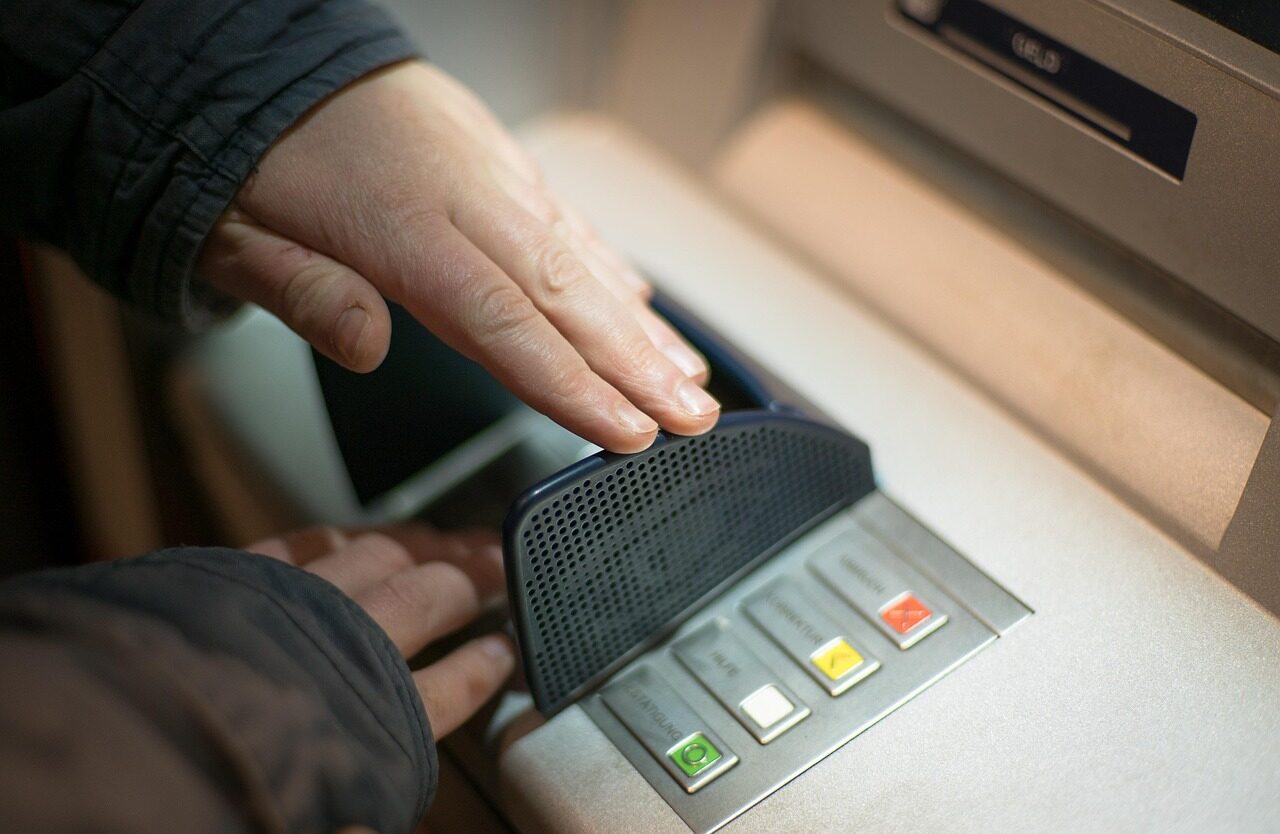
The queue outside the ATM stretches down the block, but half the people waiting aren’t holding bank cards anymore. They’re staring at their phones, waiting to punch in codes that will let them withdraw cash without swiping anything physical. This scene, increasingly common across Lagos and other Nigerian cities, marks a quiet shift in how Africans access their money.
Cardless ATM withdrawals have moved from a novelty feature to a mainstream banking tool across Nigeria over the past three years. What started as a backup option for customers who forgot their cards has become the preferred method for millions, driven by factors unique to African markets: high rates of card fraud, unreliable card production systems, and a mobile-first population that never fully embraced plastic.
How the System Works
The mechanics are straightforward. A customer opens their banking app, selects the cardless withdrawal option, enters the amount needed, and receives a one-time code valid for a limited period. At the ATM, they input this code along with their PIN to complete the transaction. Most Nigerian banks now offer the service through their mobile apps, with GTBank, Access Bank, and Zenith Bank among the earliest adopters.
The technology isn’t new globally. Banks in the United States and Europe introduced similar systems years ago. But adoption patterns differ sharply. In Western markets, cardless withdrawals remain a secondary option. In Nigeria, they’re becoming the primary infrastructure.
Why Africa Adopted Faster
Nigeria’s Central Bank reported that card-related fraud cost the banking sector over ?5 billion in 2023. Skimming devices, cloned cards, and compromised point-of-sale terminals create constant security headaches. Cardless systems reduce these attack vectors significantly. There’s no physical card to clone, no magnetic strip to copy.
Card replacement presents another pressure point. When banks face supply chain disruptions or production delays, customers wait weeks for replacement cards. In a cash-dependent economy where over 60% of transactions still involve physical currency, that wait creates real hardship. Cardless access provides immediate functionality while new cards are being produced or shipped.
Mobile phone penetration in Nigeria now exceeds 85%, according to a data from the Nigerian Communications Commission. Most banking customers already use mobile apps for balance checks and transfers. Extending that interface to ATM withdrawals required minimal behavioral change.
The Infrastructure Challenge
Rolling out cardless systems required banks to upgrade ATM software across thousands of machines. Many older terminals needed hardware replacements to support the authentication protocols. This created a two-tier system that persists in some areas, where newer machines in urban centers offer cardless options while rural ATMs still require physical cards.
Some banks approached the transition strategically. UBA and First Bank phased in cardless functionality across their networks over 18 months, prioritizing high-traffic locations first. Others rushed implementation, leading to technical glitches that frustrated early adopters and temporarily damaged trust in the system.
Security Considerations
The shift raises new security questions even as it solves old ones. One-time codes sent via SMS face interception risks in areas with weak telecom security. Banking apps themselves become higher-value targets for hackers when they control both account access and cash withdrawal capabilities.
Nigerian banks have responded with layered authentication. Most now require biometric verification or additional security questions before generating withdrawal codes. Transaction limits typically cap cardless withdrawals below traditional card limits. Some institutions impose daily frequency restrictions to prevent rapid-fire fraudulent withdrawals if an account is compromised.
The Nigeria Inter-Bank Settlement System has established guidelines requiring banks to maintain fraud monitoring systems that flag unusual cardless withdrawal patterns. When implemented properly, these systems can detect compromised accounts faster than traditional card fraud detection.
Broader Implications for Financial Access
Cardless systems indirectly expand financial inclusion. Customers in remote areas who might wait months for card delivery can activate accounts and access cash immediately after account opening. Migrant workers can send money home and provide withdrawal codes to family members without shipping physical cards across regions.
The technology also supports informal lending patterns common in Nigerian communities. Someone with cash flow but no formal credit history can help a family member by generating a withdrawal code from their account, avoiding the risks of carrying large amounts of cash or the fees associated with formal transfer systems.
Regional Variations
Adoption rates vary significantly across Nigeria’s regions. Urban centers like Lagos, Abuja, and Port Harcourt show cardless withdrawal rates above 40% of total ATM transactions. In more rural states, the figure drops below 15%, partly due to older ATM infrastructure and partly due to lower smartphone penetration among older banking customers.
Other African countries are tracking similar patterns. Kenya’s major banks introduced cardless options in 2022, building on the country’s existing M-Pesa infrastructure. South African banks rolled out comparable systems, though adoption there faces competition from highly developed card networks and point-of-sale systems.
What This Means for Banking Evolution
The success of cardless ATMs in Nigeria suggests African banking may skip certain developmental stages entirely. Just as mobile money allowed millions to leapfrog traditional banking, cardless access lets customers bypass the card-centric systems that dominated Western banking for decades.
This pattern extends beyond withdrawals. Banks are testing cardless deposits, where customers generate codes to authorize cash deposits into their accounts at ATMs without requiring a physical card. If successful, these systems could reduce the need for branch visits even further.
The technology also positions banks to transition more smoothly toward fully digital banking infrastructure. As physical cash use eventually declines, the behavioral patterns established through cardless ATM use—authenticating via mobile device, relying on one-time codes, accepting app-based banking as primary—will support that shift.
For now, cardless ATM withdrawals represent a practical response to immediate Nigerian realities: fraud, logistics, and mobile-first user behavior. The technology solves present problems while quietly building infrastructure for a different kind of banking future.