
Nigerian mental wellness startup SereniMind pairs AI-guided support with access to licensed therapists

A Lagos-based mental wellness platform is betting that artificial intelligence can help close Nigeria’s yawning mental health treatment gap, at least for the country’s youth.
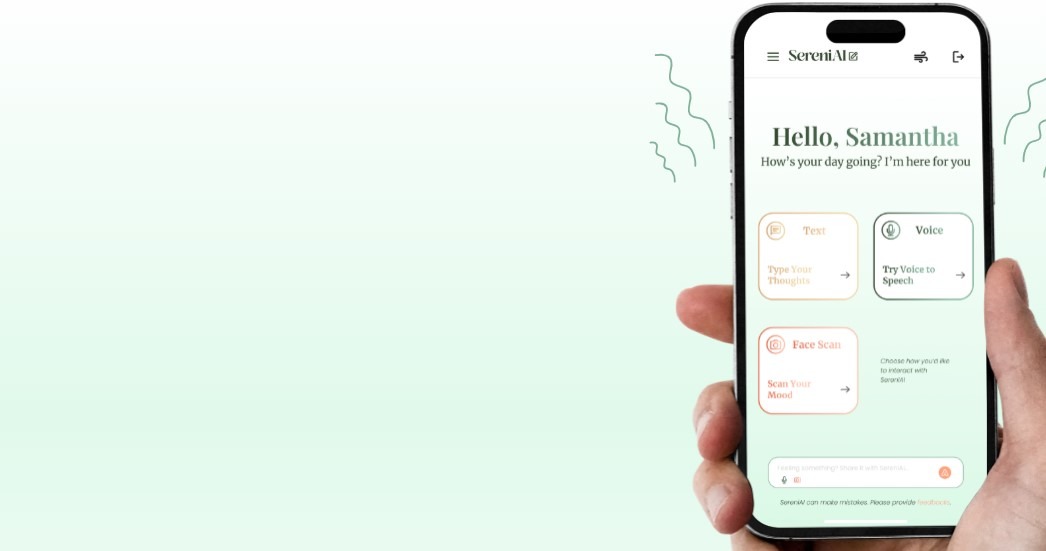
SereniMind, founded in 2024 by chief executive Ridwan Oyenuga, combines an AI chatbot that offers users personalised wellbeing guidance with a pathway to book appointments with vetted mental health professionals. The platform positions itself less as a clinical service and more as an entry point, education, self-help tools, community programming, and professional referrals bundled into a single experience aimed at young Africans navigating stigma-heavy conversations around mental health.
Filling a gap other platforms leave open
Oyenuga has said the idea grew out of watching young Nigerians struggle to find support systems suited to their realities. Rather than compete directly with the therapy-booking platforms already active on the continent, he has positioned SereniMind around a broader mix of advocacy, digital engagement and community outreach layered on top of clinical access — a combination he argues is largely missing from the existing field of African mental health startups.
That gap is not small. Nigeria has roughly 300 practising psychiatrists for a population north of 200 million, and the World Health Organization estimates that fewer than one in ten Nigerians living with a mental health condition receives any form of treatment, according to reporting on healthtech startups addressing the continent’s mental health shortage. Cultural stigma compounds the shortage, often discouraging young people from seeking help even where services exist.
Early traction, still bootstrapped
SereniMind says its awareness campaigns, partnerships and digital initiatives have reached more than 300,000 young people across Africa, generating upward of 100 million media and digital impressions through youth-focused outreach. Uptake, Oyenuga has said, has been strongest among students, young professionals and youth communities, the demographic the platform was built around.
The company has so far relied on founder funding and bootstrapping, topped up by grants, ecosystem support and strategic partnerships rather than institutional venture capital. Its operations remain concentrated in Nigeria, though Oyenuga says engagement has extended into other African markets through partnerships and media outreach, with East, West and Southern Africa under consideration for deeper expansion.
Revenue currently comes from a mix of wellbeing services, referral arrangements and partnership deals, with premium features still in development. Oyenuga has been candid that profitability isn’t the immediate priority. At this stage, he has said, the focus is on growth, impact and product development.
Part of a wider pattern
SereniMind’s approach echoes a broader shift among African mental health ventures, including Kenya’s Shamiri and Nigeria-based platforms like Nguvu Health toward pairing low-cost digital tools with human clinical oversight rather than positioning AI as a replacement for therapists. Nigeria’s 2023 Mental Health Act, which formally recognised mental healthcare as part of the country’s public health framework, has also given startups in this space firmer regulatory ground to build on than existed a few years ago.
Whether SereniMind can convert its awareness numbers into sustained clinical engagement and eventually revenue beyond referrals will likely determine whether it becomes one of the platforms that outlasts Nigeria’s crowded early-stage mental health tech field, or one of the many that fold once grant funding runs dry.