
WhatsApp is Letting You Reserve Your Username

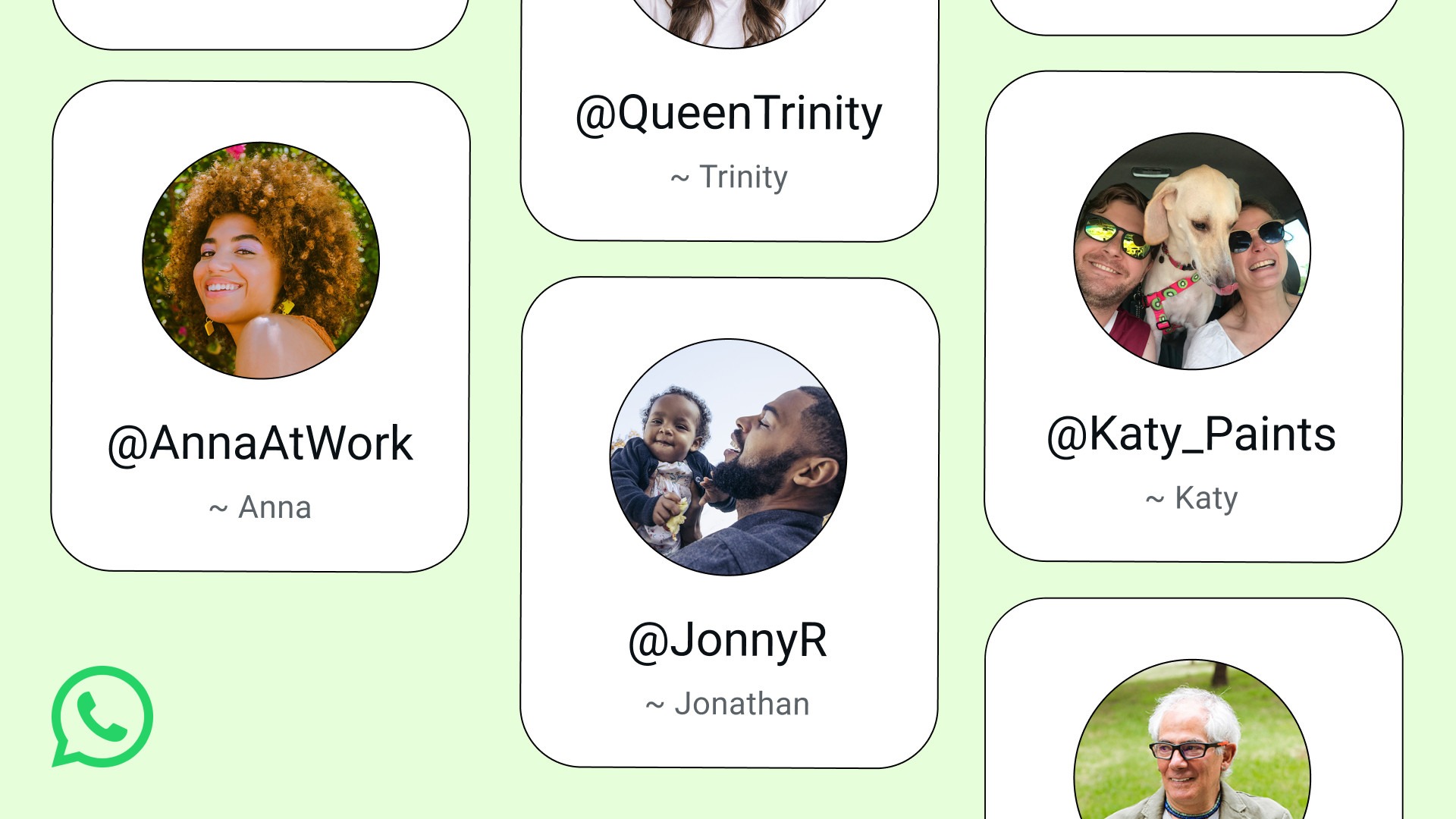
If you’ve ever hesitated before giving your phone number to a new acquaintance — a classmate, a neighbor, someone you met at a networking event, WhatsApp now has an answer for that moment of pause.
Starting this week, WhatsApp is allowing users to reserve a username ahead of a broader rollout later this year. The move is significant: with over three billion people on the platform, popular usernames are already in high demand, which is why the company is opening reservations early.
“A phone number is personal and tied to so many parts of your life. Sometimes you just want to chat without handing over your digits.” — WhatsApp
The same friction applies to group chats. Joining a parent group for your child’s football team or a neighborhood association shouldn’t require broadcasting your number to a room full of strangers. With usernames, it won’t have to.
For most users, the ideal username will be something unique, known only to the people you actually want to hear from. WhatsApp has also built in a username generator for those who need a little inspiration.
Creators, small businesses, and organizations get an extra option: the ability to claim their existing Instagram or Facebook handle on WhatsApp, keeping their online presence consistent across Meta’s platforms.
On the privacy front, WhatsApp says there will be no public directory and no username suggestions, someone will need to know your exact username to reach you for the first time. An optional “username key” adds a second layer of protection, requiring others to know that code before they can message you.
Once the feature fully launches, your phone number will no longer be visible to people you message for the first time, provided your username is enabled.
How to Reserve Your Username Now
- Update WhatsApp to the latest version
- Open Settings in the app
- Go to Account > Username
- Choose and reserve your preferred username
WhatsApp says it will roll out usernames gradually over the coming months and will notify users in-app when the feature becomes available in their country.