

How Technology and AI Can Accelerate Sustainable Development in Africa

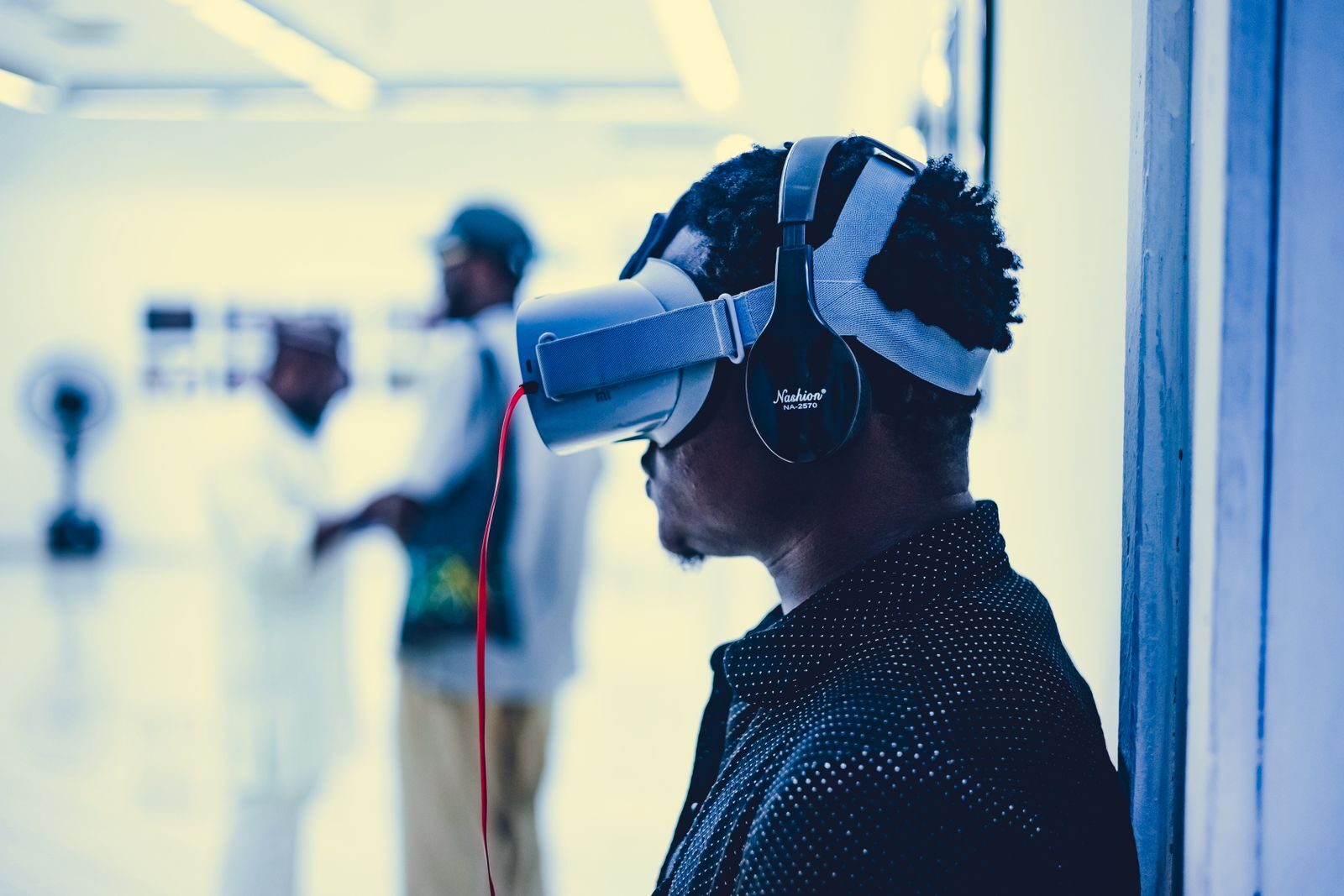
Africa does not have a resources problem. It has a distribution problem, and technology is the fastest bridge we have ever built across that gap. With over 1.4 billion people, a median age of 19, and some of the world’s fastest-growing cities, Africa sits at a unique crossroads.
The continent is not playing catch-up with the rest of the world. In many ways, it is leapfrogging: skipping the slow, expensive infrastructure phases that older economies had to crawl through, and jumping straight into digital-first solutions. The question is no longer whether technology can help Africa develop. It is whether Africa will build it, own it, and direct it on its own terms.
Starting Where People Actually Are: Mobile-First Everything
Walk through Lagos, Nairobi, or Accra, and you will notice something remarkable. People who have never owned a desktop computer are running small businesses, sending money, and accessing health information, all from a basic smartphone. This is not a coincidence. It is a blueprint.
M-Pesa in Kenya is perhaps the most cited example, and for good reason. Launched in 2007, it turned mobile phones into bank accounts for millions of people who had no relationship with formal banking at all. Today, it processes transactions worth a significant share of Kenya’s GDP. The lesson here is not just about financial technology; it is about meeting people in their reality and building from there.
AI is now following that same principle. Tools like chatbots and voice assistants are being adapted into local languages. Startups like Lelapa AI in South Africa are building language models trained specifically on African languages — Zulu, Setswana, Yoruba — so that technology actually speaks to people, not past them.
Agriculture: Feeding the Future with Smarter Farming
About 60% of Africa’s workforce is employed in agriculture, yet the sector remains largely underproductive due to unpredictable weather, poor soil data, and limited access to markets. This is where AI-powered tools are quietly changing lives.
Platforms like Zenvus in Nigeria use sensors and machine learning to analyse soil health and recommend precise fertilizer use, reducing waste and increasing yields for smallholder farmers who cannot afford to gamble with every planting season. Farmerline in Ghana sends voice-based agricultural advice directly to farmers in their local dialects, no literacy required.
Satellite imagery, combined with AI analysis, now allows governments and NGOs to monitor crop health across thousands of kilometres, predict drought stress weeks in advance, and plan food relief before a crisis becomes a famine. That kind of foresight used to take months. Today, it takes hours.
Healthcare Closer to Home
Africa has one doctor for roughly every 5,000 people in some regions. Building hospitals and training physicians takes decades. But deploying a smartphone-based diagnostic tool? That can happen in months.
Babylon Health partnered with Rwanda’s government to deploy an AI-powered symptom checker that has handled millions of patient consultations, helping to triage cases and refer people to the right level of care. In South Africa, Peek Vision uses AI to screen for eye disease in remote communities, catching preventable blindness before it takes hold.
These are not pilot projects dreamed up in Silicon Valley boardrooms. They are working solutions, built for African contexts, solving African problems.
The Infrastructure Conversation Nobody Wants to Skip
Technology is not magic. It needs electricity and internet connectivity to work. Roughly 600 million people in sub-Saharan Africa still lack access to reliable electricity, and broadband coverage remains patchy in rural areas.
This is where the sustainable development conversation gets honest. AI and digital tools can only accelerate growth if the foundational infrastructure keeps pace. The good news is that solar microgrids are becoming cheaper and more scalable every year. Starlink and other low-earth-orbit satellite services are beginning to reach rural communities. Progress is real, but it needs deliberate policy, investment, and cross-sector collaboration to reach the last mile.
Africa Must Own What It Builds
Perhaps the most important point is this: technology transfers power to whoever controls it. Africa cannot afford to be purely a consumer of tools built elsewhere, trained on data from elsewhere, serving priorities from elsewhere.
The continent needs to invest in its own AI talent, data governance frameworks, and homegrown innovation ecosystems. The good news is that this is already happening in Kigali’s technology hubs, Cairo’s growing startup scene, and Lagos’s fintech corridor, which now ranks among the most active in the world.
The Road Ahead
Africa’s development story is not waiting to be written. It is being written right now in lines of code, in satellite signals reaching rural clinics, in a farmer in Zambia receiving a weather alert on a $40 phone.
Technology and AI will not solve everything on their own. But used wisely, built locally, and deployed equitably, they can compress decades of development into years. Africa does not just deserve a seat at the table of the global digital economy. It deserves to help build the table itself. The opportunity is real. The tools exist. What happens next is a choice.