

Apple Plans to Open Siri to Rival AI Assistants in iOS 27

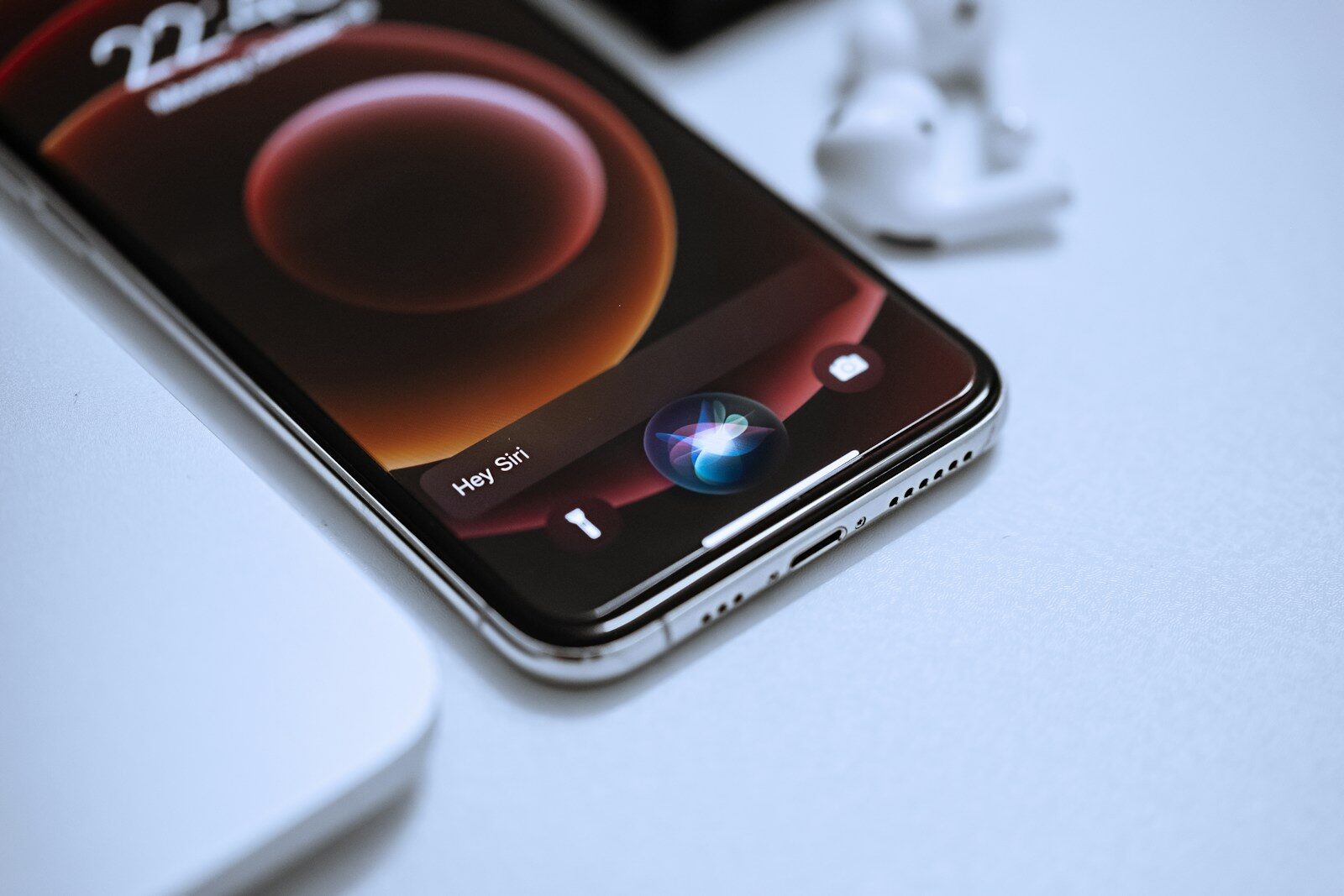
Apple is preparing to dismantle the exclusive arrangement that has kept OpenAI’s ChatGPT as Siri’s sole third-party AI partner. Reporting from Bloomberg indicates the company is developing a new Extensions framework for iOS 27 that would allow competing AI assistants — including Google’s Gemini and Anthropic’s Claude — to integrate directly with Siri, handling user queries when selected.
The announcement is expected at Apple’s Worldwide Developers Conference on June 8, 2026.
How the Extensions System Works
The feature centres on a dedicated menu within the Apple Intelligence and Siri settings panel, where users can enable or disable which installed AI agents are permitted to interact with Siri. The mechanics are straightforward: if you have a supported AI app installed from the App Store, Siri can route requests to that service in the same way it currently works with ChatGPT.
The integration will extend to iPadOS 27 and macOS 27, providing a unified experience across Apple’s device ecosystem. For users already paying for subscriptions to Claude or Gemini, this removes the friction of switching between apps — Siri becomes the single interface through which multiple AI engines can be reached.
The End of OpenAI’s Exclusivity
Apple introduced its ChatGPT integration in 2024, positioning it as the fallback for requests Siri could not handle natively. That arrangement gave OpenAI a significant distribution advantage, but the Extensions framework effectively ends its exclusive position.
OpenAI is not going away — but it will be competing on equal footing with every other AI app in the App Store. Whether Apple will continue to maintain the ChatGPT tie-in as a default option, or fold it into the new developer-facing system, remains unconfirmed.
A standardised extension framework also removes the need for Apple to negotiate individual integration deals with each AI company — a process that has historically been slow and commercially complex.
A Revenue Play, Not Just a Feature
The move carries a financial dimension that Apple has not obscured. Beyond enhancing user choice, the strategy is expected to bolster Apple’s Services revenue through App Store commissions on AI subscriptions — a category that has grown rapidly as consumers pay for access to frontier AI models.
For Apple, whose Services segment has become central to its financial results, this approach mirrors the logic behind its broader App Store model: facilitate third-party commerce, take a cut, and benefit from ecosystem lock-in.
What This Means for African iPhone Users
Nigeria and South Africa are among the fastest-growing iPhone markets on the continent, and demand for capable AI tools — particularly for productivity, research, and writing — is rising among professionals and students alike. While Apple Intelligence has been slow to roll out broadly in Africa, the Extensions framework could give users in Lagos, Nairobi, and Johannesburg more direct control over which AI model powers their daily tasks, provided the necessary apps receive local support and appropriate data-handling compliance.
The ability to route queries to Claude for complex writing tasks, or to Gemini for search-intensive requests, represents a meaningful step toward AI personalisation on devices that millions of Africans already carry.
What Remains Unclear
It has not been confirmed whether Apple will require approval for AI apps that integrate with Siri, or how quickly services beyond Gemini and Claude — such as Perplexity, Meta AI, or Microsoft’s Copilot — will gain compatibility. Developers must also update their apps to support the new APIs before users can benefit.
Each new report reinforces a consistent direction: Apple is moving to give users more control over how they interact with AI through Siri — a posture that, if executed well at WWDC, could redefine how the assistant is perceived after years of falling behind its competitors.