

SIM Swap Fraud: How African Mobile Users Are Losing Money to a Growing Digital Threat

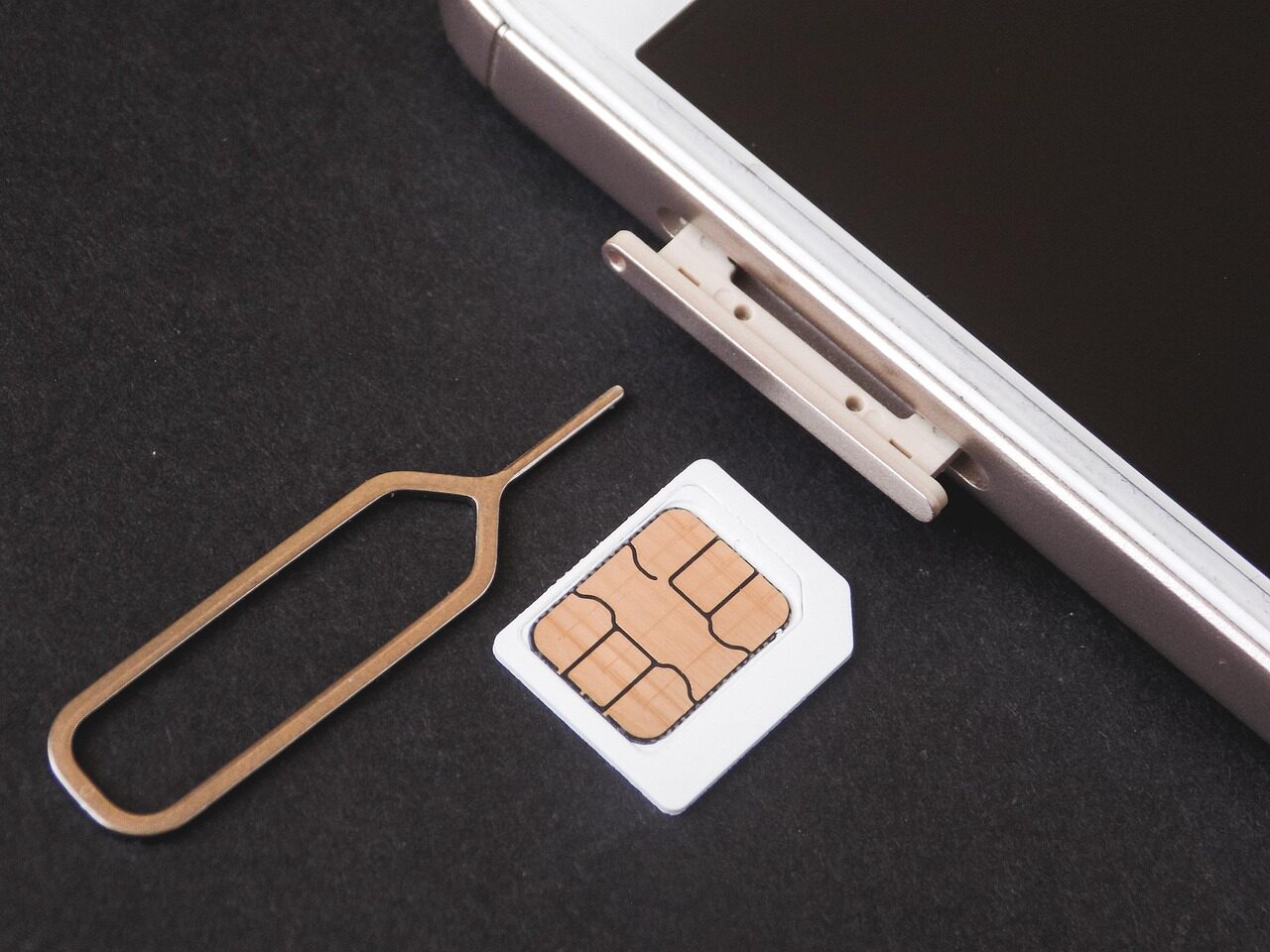
The text message arrived just after midnight. “Your account has been temporarily locked. Call this number to verify your identity.” Within hours, a Lagos-based shop owner had lost N850,000 from his bank account. His phone number had been transferred to a new SIM card he never requested.
SIM swap fraud has become one of Africa’s fastest-growing cybersecurity threats, exploiting the continent’s heavy reliance on mobile money and phone-based banking. The scam works by convincing telecom operators to transfer a victim’s phone number to a fraudster’s SIM card, giving criminals access to one-time passwords, banking apps, and two-factor authentication codes.
The Scale of the Problem
Nigerian banks reported a 300% increase in SIM swap-related fraud cases between 2022 and 2024, according to data from the Nigeria Inter-Bank Settlement System. The trend mirrors patterns across Kenya, South Africa, and Ghana, where mobile penetration exceeds 80% but digital literacy around security threats remains uneven.
The method is deceptively simple. Fraudsters gather personal information through phishing, data breaches, or social engineering. Armed with basic identity details, they visit telecom retail outlets or contact call centers, claiming their SIM card is lost or damaged. Once the number is transferred, they reset banking passwords and drain accounts before victims realize what has happened.
What makes the crime particularly damaging in African markets is the infrastructure itself. Mobile money platforms like M-Pesa in Kenya and MTN Mobile Money across West Africa have brought financial services to millions of previously unbanked people. But these same platforms, designed for accessibility and convenience, become attack vectors when phone numbers change hands.
Insihttp://MTN Mobile Moneyde the Fraud Networks
Security researchers have documented organized SIM swap operations operating across multiple countries. These networks employ insiders at telecom companies who process fraudulent SIM swaps for a cut of stolen funds. A 2024 report by Kaspersky identified at least 17 such syndicates active in Nigeria alone.
The economics of the crime are straightforward. A corrupt telecom employee might receive N50,000 to process an unauthorized SIM swap. If the fraudster accesses a mobile money account with N2 million, the return justifies the risk. Law enforcement agencies struggle to respond quickly enough, particularly when operations cross national borders.
Ghana’s National Communications Authority recorded 4,200 reported SIM swap fraud cases in 2023, though officials believe the actual number is significantly higher. Many victims never report the crime, either from embarrassment or skepticism that authorities can recover stolen funds.
Regulatory Responses
African telecom regulators have begun implementing stricter verification protocols. Kenya’s Communications Authority now requires in-person visits with biometric verification for all SIM replacements. Nigeria’s National Identity Management Commission mandates that SIM registration be linked to National Identification Numbers, though implementation remains inconsistent across states.
South Africa’s Regulation of Interception of Communications and Provision of Communication-Related Information Act was amended in 2023 to criminalize unauthorized SIM swaps specifically, carrying penalties up to 10 years imprisonment. The country’s major banks now use additional verification layers beyond SMS-based authentication.
But regulatory frameworks move more slowly than criminal adaptation. Fraudsters have shifted tactics, targeting less-secure markets or exploiting loopholes in cross-border telecom agreements. A phone number registered in Nigeria can sometimes be swapped at a retail outlet in Benin or Togo, where verification standards differ.
What Users Can Do
Financial institutions and telecom operators have begun educating customers on protection measures, though awareness campaigns reach a fraction of mobile money users. Security experts recommend setting up alternative authentication methods beyond phone numbers, including authenticator apps and biometric login, where available.
Banking apps should have withdrawal limits and transaction notifications sent to multiple channels. Users should register unique email addresses with financial institutions, separate from social media accounts more vulnerable to phishing. Most critically, any request to verify identity or confirm account details should be treated with suspicion and verified directly with the bank.
The Nigerian Communications Commission now advises users to set up SIM swap PINs, an additional password required before any number transfer. Not all telecom providers have implemented this feature uniformly, but where available, it adds a crucial security layer.
The Broader Digital Security Challenge
SIM swap fraud represents a larger tension in Africa’s digital transformation. The same mobile infrastructure that has revolutionized financial inclusion creates systemic vulnerabilities. As more services move to mobile platforms, the incentive for fraud increases.
Banks have started moving away from SMS-based two-factor authentication toward app-based verification, but millions of users still rely on basic feature phones without smartphone capabilities. The security gap between urban smartphone users and rural mobile money customers presents both a technical and equity challenge.
Telecom operators face their own pressures. Retail agents are often poorly paid and minimally supervised, creating opportunities for corruption. Call center staff process hundreds of SIM swap requests daily, making thorough verification difficult. Without significant investment in training, monitoring, and compensation, insider threats will persist.
Looking Ahead
The fight against SIM swap fraud requires coordination between regulators, telecom companies, financial institutions, and law enforcement. Interpol’s African Cybercrime Assessment identifies mobile-based financial fraud as a priority threat, noting that cross-border cooperation remains inadequate.
Some solutions are emerging. Blockchain-based identity verification systems are being piloted in several markets, potentially offering more secure alternatives to phone number authentication. Artificial intelligence tools can detect suspicious SIM swap patterns, though implementation costs remain high for smaller operators.
What’s certain is that as mobile money grows across the continent, so will attempts to exploit it. The question is whether security infrastructure can evolve as quickly as the threats it faces. For now, millions of African mobile users remain one unauthorized SIM swap away from financial disaster.