
GreenTech in Africa: Renewable Energy Solutions Reshaping the Continent

Africa’s energy transition is no longer framed solely as a future ambition. Across the continent, renewable energy and broader GreenTech solutions are steadily moving from pilot projects to core infrastructure. This shift is unfolding against a persistent energy access gap—roughly half of sub-Saharan Africa still lacks reliable electricity—combined with rising climate pressures and rapid urbanisation.
What stands out is not just the growth of renewable capacity, but the structure of the ecosystem forming around it. From distributed solar to pay-as-you-go financing and battery innovation, African GreenTech firms are building models tailored to fragmented grids, low-income consumers, and rural geographies. The result is a distinct pathway that differs in important ways from energy transitions in Europe or North America.
The Structural Drivers Behind Africa’s GreenTech Growth
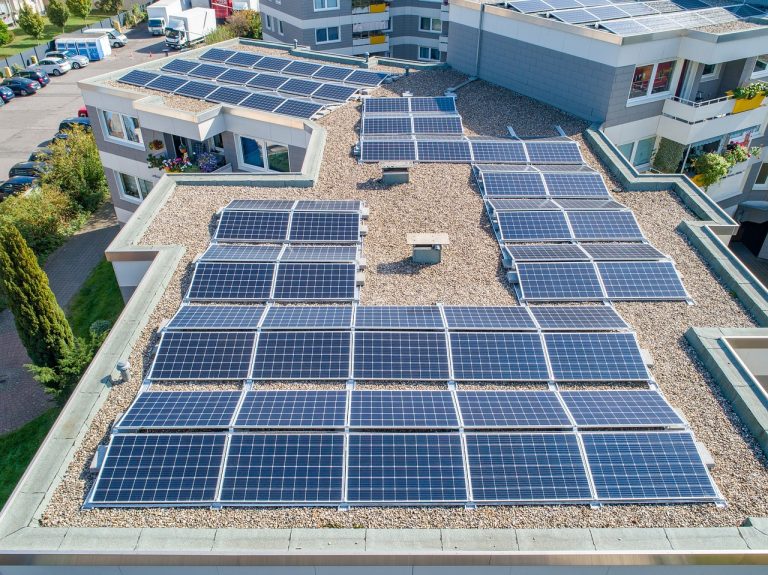
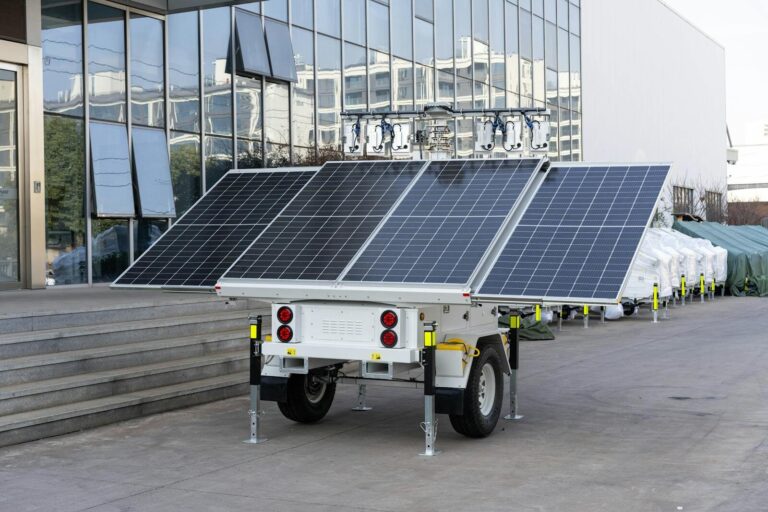
Several forces are converging. First, grid limitations remain significant. Many national utilities face generation shortfalls, transmission losses, and constrained capital. This has created space for decentralised renewable systems, particularly solar home systems and mini-grids.
Second, mobile money infrastructure, especially in East Africa, has enabled new financing models. Pay-as-you-go (PAYG) energy allows households to access electricity without high upfront costs.
Third, international climate finance and development capital continue to flow into off-grid and distributed energy markets. While funding levels fluctuate year to year, the direction of travel is clear: investors increasingly view Africa’s clean energy sector as commercially viable in specific segments.
Together, these conditions have shaped a GreenTech ecosystem that prioritises affordability, modular deployment, and last-mile distribution.
Distributed Solar Moves Beyond Early Adoption
One of the most visible transformations is in off-grid solar. Companies like M-KOPA, co-founded by Jesse Moore, Nick Hughes, and Chad Larson, helped pioneer the PAYG solar model in East Africa. By combining solar home systems with mobile payments, the company demonstrated that low-income households could become bankable energy customers. According to the company’s impact reports, millions of homes across Kenya, Uganda, Nigeria, and Ghana now use its systems.
Similarly, d.light, founded by Ned Tozun and Sam Goldman, has expanded across more than 70 countries, with Africa as a major market. Its product evolution, from lanterns to full solar home systems, illustrates how consumer demand has matured.
These firms did not eliminate Africa’s energy deficit, but they helped normalise decentralised solar as a mainstream solution rather than a stopgap.
Mini-Grids and Commercial & Industrial Solar Gain Ground
While household solar has scaled fastest, attention is increasingly shifting to mini-grids and commercial installations. Nigeria-based Arnergy, founded by Femi Adeyemo, focuses on solar solutions for businesses and residential customers seeking alternatives to diesel generators. Its growth reflects a broader market dynamic. For instance, rising fuel costs and grid unreliability are pushing small and medium enterprises toward hybrid solar systems.
In West Africa’s mini-grid space, PowerGen Renewable Energy, co-founded by Aaron Cheng, has deployed solar-battery mini-grids across Kenya, Nigeria, Sierra Leone, and Tanzania. The model targets rural communities that are unlikely to receive near-term grid extension.
Clean Cooking and Climate Adaptation Enter the GreenTech Frame
Energy access in Africa is not limited to electricity. Clean cooking remains a major environmental and public health issue. Kenya’s BURN Manufacturing, founded by Peter Scott, produces fuel-efficient cookstoves and electric cooking solutions. The company’s carbon credit strategy suggests a growing intersection between household energy products and global carbon markets.
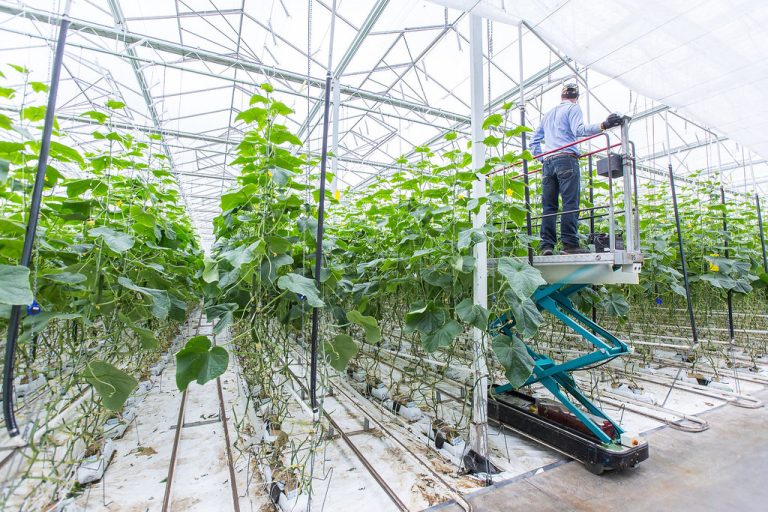
Meanwhile, climate adaptation technologies are gaining attention. Solar irrigation, cold storage, and climate-smart agriculture platforms are increasingly grouped within the broader GreenTech category. These solutions reflect a shift from pure electrification toward climate resilience infrastructure.
Persistent Constraints in the Ecosystem
Despite clear momentum, several structural challenges remain. Capital costs are still high relative to consumer purchasing power in many markets. Currency volatility complicates project financing. Regulatory frameworks for mini-grids and embedded generation vary widely between countries, creating uncertainty for developers.
There is also an emerging question around grid integration. As distributed solar capacity grows, coordination between utilities and private providers will likely become more important. Current policy frameworks in several markets appear to be evolving but remain uneven. These factors suggest that growth will continue, but not uniformly across the continent.
A Transition Taking Its Own Shape
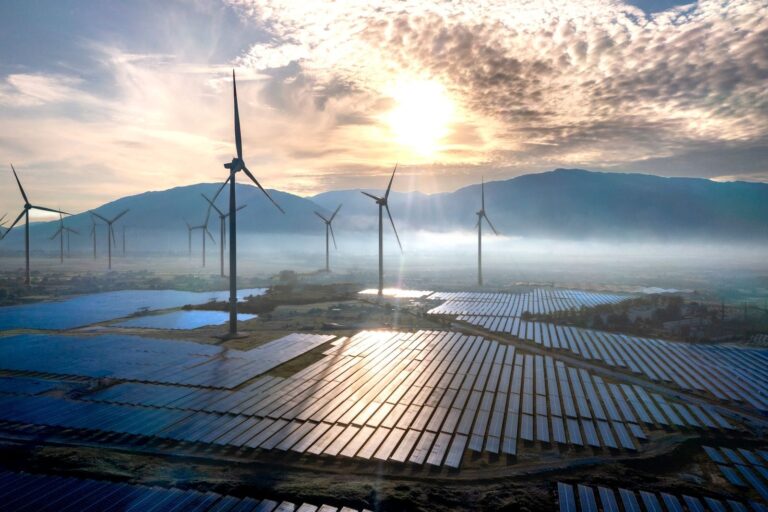
Africa’s GreenTech trajectory is not following the traditional path of large, centralised renewable plants alone. Instead, the continent is developing a layered energy system that blends grid-scale projects with distributed solar, mini-grids, and clean cooking technologies. The pattern indicates something more structural than a short-term clean energy trend.
It reflects a reconfiguration of how energy infrastructure is financed, delivered, and consumed in emerging markets. Whether this model can scale fast enough to meet population growth and industrial demand remains an open question. What is clear is that GreenTech in Africa has moved beyond experimentation. It is becoming part of the continent’s core development architecture, and the implications will unfold over the next decade.