
From Paper Records to Digital Systems: The Project Management Thinking Behind Successful Digital Transformation

Going digital has become a key priority for organizations that want to increase efficiency, enhance information management and provide better services. Whether in the business or public sector, organizations are spending on digitizing their operations, automating processes, and implementing integrated information systems. However, even as technology improves, achieving successful implementation remains a major organizational challenge.
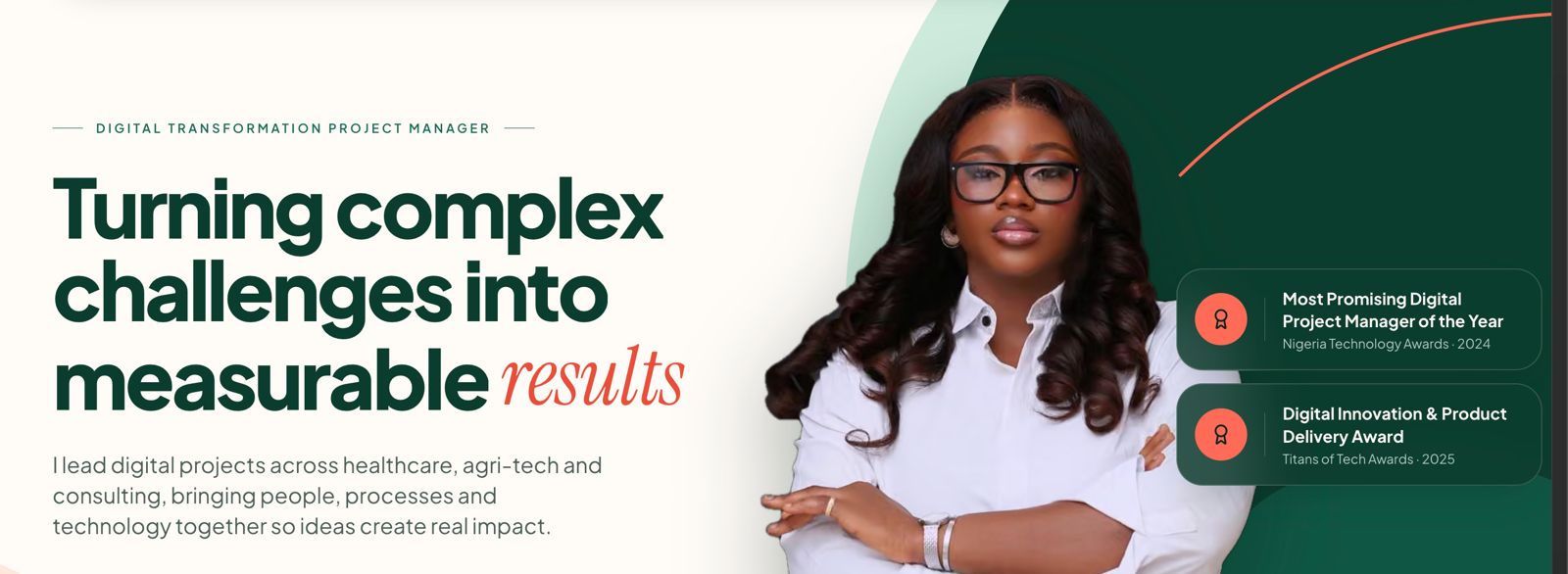
For digital transformation professionals like Rosemary Kitinang Ndo, a Digital Project Manager who has experience in implementing healthcare technology, migrating records and transforming operations, this challenge is not just about introducing new software. It’s a matter of comprehending how technology can solve current organizational issues, enhance service delivery and provide measurable operational value.
In healthcare especially, the stakes are high. Patient information should be accurate, easily accessible and secure, and administrative functions should facilitate timely communication and effective delivery of services. For example, moving thousands of records from paper to electronic systems isn’t just a matter of scanning documents and moving information. It involves planning, data validation, risk management, integration and coordination of stakeholders, and a structured approach to the implementation.
This is a distinction that is increasingly influencing the dialogue around digital transformation. It’s no longer a question of whether or not organizations have adopted new technology, but whether or not they have the project management skills needed to make that technology work.
The Complexity Behind Digital Transformation
A common misconception about digital transformation is that success hinges on deciding on the right software or technology platform. Having the right technology is only part of the equation; the entire implementation process can make or break the investment’s value. Legacy systems might have disjointed information, inconsistent data structures and processes that have grown over years. Without studying these arrangements, the introduction of a new platform can cause further problems.
In the case of data migration, for instance, it’s not just the act of moving the information from system A to system B. Organizations need to determine the rules for record classification, validation, reconciliation and post-migration access. They should also take into account the changes in existing workflows, and how staff will adapt to the new situation.
The impacts of inadequate implementation may not just be technical. In healthcare, lost or inaccurate records can impact administrative coordination and the access to vital patient data. That is why successful digital transformation involves technical planning and disciplined project management. Technology initiatives are aligned to organizational needs with clear governance processes, defined responsibilities, implementation milestones and risk management processes.
Why People and Processes Matter as Much as Technology
A big challenge is user adoption. Regardless of a digital platform’s design, if the intended users don’t grasp the need for the platform or struggle to make it part of their daily work, the desired outcomes are unlikely to be achieved.
Digital transformation thus means dealing with organizational change and technical implementation.
As new systems are implemented, employees may require training, updated systems and procedures and continued support. It is important that stakeholders know how changes impact on their role and project teams need to ensure there are processes in place to collect feedback and solve implementation challenges. This human aspect is especially relevant in healthcare settings, where administrative staff, clinicians, technical experts and management teams may be using the same digital systems for various purposes. These various needs must be met in a successful implementation without compromising the integrity of the system.
Digital project management professionals thus play a critical role between technology teams and organization stakeholders. They are not only in charge of keeping track of deadlines and organizing meetings. They will need to convert business needs into plans for implementation, foresee risks that may arise during operation and make sure that the solutions implemented are effective and bring about the desired improvements.
Healthcare as a Test Case for Effective Digital Delivery
Healthcare is a good example of the importance of structured digital transformation. Using electronic platforms for records, communication, and administrative tasks can help make information more accessible and minimize delays from manual processes. These improvements, however, are contingent on how effectively the systems are integrated with current operations.
Language barriers, for instance, can pose extra challenges to communication with patients, especially in healthcare environments that cater to diverse populations. Digital interpreter allocation and translation-matching platforms can help streamline patient and healthcare provider coordination. But just creating the platform is not enough to introduce such solutions. When evaluating a new process, organizations must take into account the way requests are received, the way interpreters are assigned, the flow of information between and within departments, and the way staff will integrate the new process into their work.
These are not just technical questions, but also questions of implementation. An example of how these considerations come together in practice is the work of digital transformation project manager Rosemary Kitinang Ndo. Her experience includes involvement in healthcare technology initiatives focused on records migration, workflow integration and digital interpreter allocation.
Some of the projects listed in her professional experience include a records migration of over 25,000 files with no reported data loss. In addition to this, she was involved in the deployment of a digital interpreter allocation system that facilitates over 3,000 patient interactions each month, and a translation-matching platform associated with a reported 38 per cent decrease in waiting times for patients who do not speak English.
The outcomes highlight the need to work with technology in a way that is synchronized with the operational reality of the organizations that are expected to use it. They also show us why digital project delivery should be evaluated by its outcomes rather than by accomplishing a series of technical tasks.
The Importance of Governance and Measurable Outcomes
Project governance is becoming an ever more important factor when digital transformation programs get more complex. Organizations must have established processes to track progress, risks, interdependencies and to keep implementation activities on track with their strategy. Even well-funded technology projects can face delays, budget constraints, and challenges in delivering the desired results without proper governance.
It is therefore a necessity for project managers to set up proper reporting lines, keep risk and issue registers, coordinate stakeholders and document the decisions made during implementation.
Equally critical is the capacity to determine what changes are occurring after the adoption of a system.
Is the new platform decreasing manual processing? Is it being used effectively by employees? Have there been improvements in information retrieval? Are there improved waiting times for customers or service users? These questions offer a truer measure of digital transformation than merely attesting to a system going live.
This approach is reflected in Rosemary’s holistic professional experience. Her project management experience includes workflow optimization, implementation governance, stakeholder engagement and coordinating digital projects in various operational environments. Her CV also shows that she has experience in managing a project portfolio with an annual budget of over £2.5 million and experience in improving delivery times and minimizing implementation risks.
The increasing need for structured project management skills in technology delivery is also echoed in her professional development, such as a Master’s degree in Project Management from the University of Sunderland, as well as PRINCE2 Foundation and Practitioner certifications.
The Future of Digital Transformation Is About Successful Implementation
The next wave of digital transformation isn’t just about organizations making investments in new platforms or replacing aging infrastructure. Implementation, adoption and sustainability of technology will need to be given greater focus. AI, automation, cloud and integrated digital platforms will still present opportunities for organizations to enhance their operations. But the value of these technologies will be determined by the effectiveness of the supporting implementation strategies.
This means having professionals who are aware of the organizational goals for investments in technology, as well as the practical hurdles in delivering them. Thus, digital project management is becoming a more and more significant field in the technology sector. It is the backbone that ensures technical capabilities are converted to operational improvements, linking people, processes and systems in sustainable ways for digital transformation.
Going from paper to digital isn’t really just about turning paper documents into digital files. It is about changing the way that information is managed, services are provided and organizations work. The organizations that make this distinction will be best placed to benefit from digital transformation. Technology can offer the tools, but good project leadership, proper governance and user adoption will decide if the tools offer value over time.