
The Work After the Room: What Practical AI Events Need to Create Real Value

Most AI events are judged before the room is even empty. Was the venue full? Did the speakers land? Did the clips look good online?
Those things matter, but they do not tell us whether the event was useful. The real test starts the next morning. Did anyone change how they work? Did a founder finally connect a tool to a real process? Did two people who met in the room keep building together?
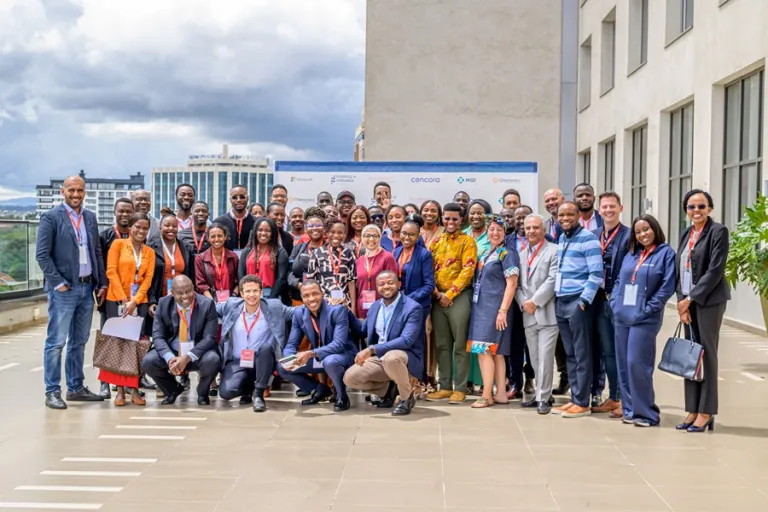
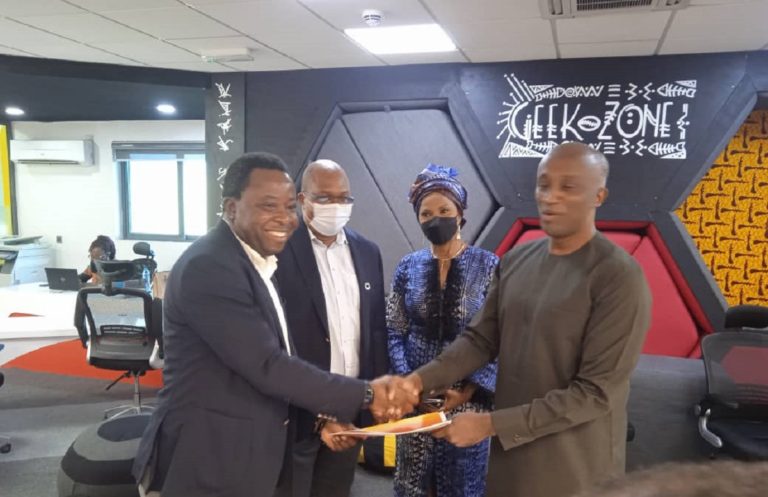
That question has shaped how I think about event design, from building AfricAI in Cape Town to leading a practical AI workshop at iHub Nairobi last month. The pattern is consistent: people do not need another reminder that AI matters. They need help crossing the gap between interest and use, and that gap is where event design becomes important.
Start With a Behavior, Not a Theme
An event theme can sound impressive and still leave the audience with no clear next step.
Before choosing speakers, organizers should ask a simpler question: what should someone be able to do when they leave that they could not do when they arrived? Maybe they should be able to map one workflow inside their business. Maybe they should understand how to evaluate an AI tool before paying for it. Maybe they should leave with a working automation, a new collaborator, or a clearer view of the risks involved.
That answer should shape the programme. If the goal is practical use, a full day of panels will not be enough. The room needs demonstrations, working time, questions, and people who can help when something breaks.
Treat Friction as Part of the Product
The most useful lesson from a hands-on AI session is often not the big idea. It is seeing where people get stuck.
An account needs approval. A tool does not accept a certain card. The Wi-Fi slows down. A participant does not know which business process to start with. Someone is worried about uploading customer information. Another person understands the demo but cannot see how it fits their job. These moments can look small from the stage, but they decide whether adoption happens.
Good event design makes space for that friction. It includes setup time, clear examples, realistic use cases, privacy guidance, and enough support for people to work through the problem in front of them. The less glamorous parts of the programme are often the parts people need most.
Make Follow-Up Part of the Event
Too many events end with a thank-you email and a photo gallery. That is not follow-up. It is a recap.
If organizers want the room to create lasting value, the next steps should be designed before the event begins. A simple rhythm could include a useful resource within 24 hours, an office-hours session within a week, and a check-in after 30 days focused on what people tried and where they are still stuck. The goal is not to keep sending messages for the sake of engagement. It is to help people continue the work while the context is still fresh.
This is also where community becomes real. A group chat is not automatically a community. It becomes useful when people know why they are there, what they can ask for, and how they can help one another.
Separate Activity From Evidence
The event industry is good at producing numbers. Registrations, impressions, views, applications, and photos can all make a programme look successful. But registration is not attendance. Attendance is not adoption. A product demo is not a working system. A busy group chat is not proof that businesses improved.
Organizers should decide what each number means before collecting it. If the claim is about attendance, use a real check-in or door-count method. If the claim is about implementation, define what counts as implementation and ask for evidence with permission. If people do not respond to a follow-up survey, report the response rate instead of pretending the missing data does not exist.
Honest measurement may produce smaller numbers, but those numbers are more useful. They help organizers improve the next programme, help sponsors understand what actually worked, and give the audience a reason to trust future claims.
Give Sponsors a Working Role
AI companies often enter events through branding packages. Their logo appears on the stage, their team gives a demonstration, and then everyone moves on. There is a better role available.
Sponsors can provide product credits, implementation support, office hours, problem clinics, and technical people who stay in the room after the presentation, helping participants apply the tool to a real task instead of only showing what it can do. That creates a better experience for everyone: the participant gets useful support, the sponsor gets to see real objections and use cases, and the organizer creates something more valuable than exposure.
Build for the Relationship After the Introduction
One of the best outcomes from an event is often a relationship that the organizer could not have predicted. A founder meets a technical partner. A creator meets a company that needs a different way to explain its product. Two operators discover they are solving the same problem in different cities.
Those relationships need a path forward. Small working groups, clear introductions, local meetups, shared projects, and follow-up sessions give people a reason to reconnect. Without that structure, even a strong introduction can disappear into a phone full of new contacts.
The stage creates shared attention. The operating system around the stage determines what survives.
Africa does not need AI events that only make the technology look exciting. It needs rooms that help people use it in the conditions where they actually live and work. That means designing for friction, continuing after the programme, and being honest about what the evidence shows.
The event is not finished when the stage closes. That is when we find out whether it worked.
Akil Wade is a Cape Town-based entrepreneur and the founder of AfricAI and mAIstro. He builds practical AI events, founder communities, and operating systems for real businesses.