
AFC Commits $100 Million to Back African-Led Tech Fund Managers

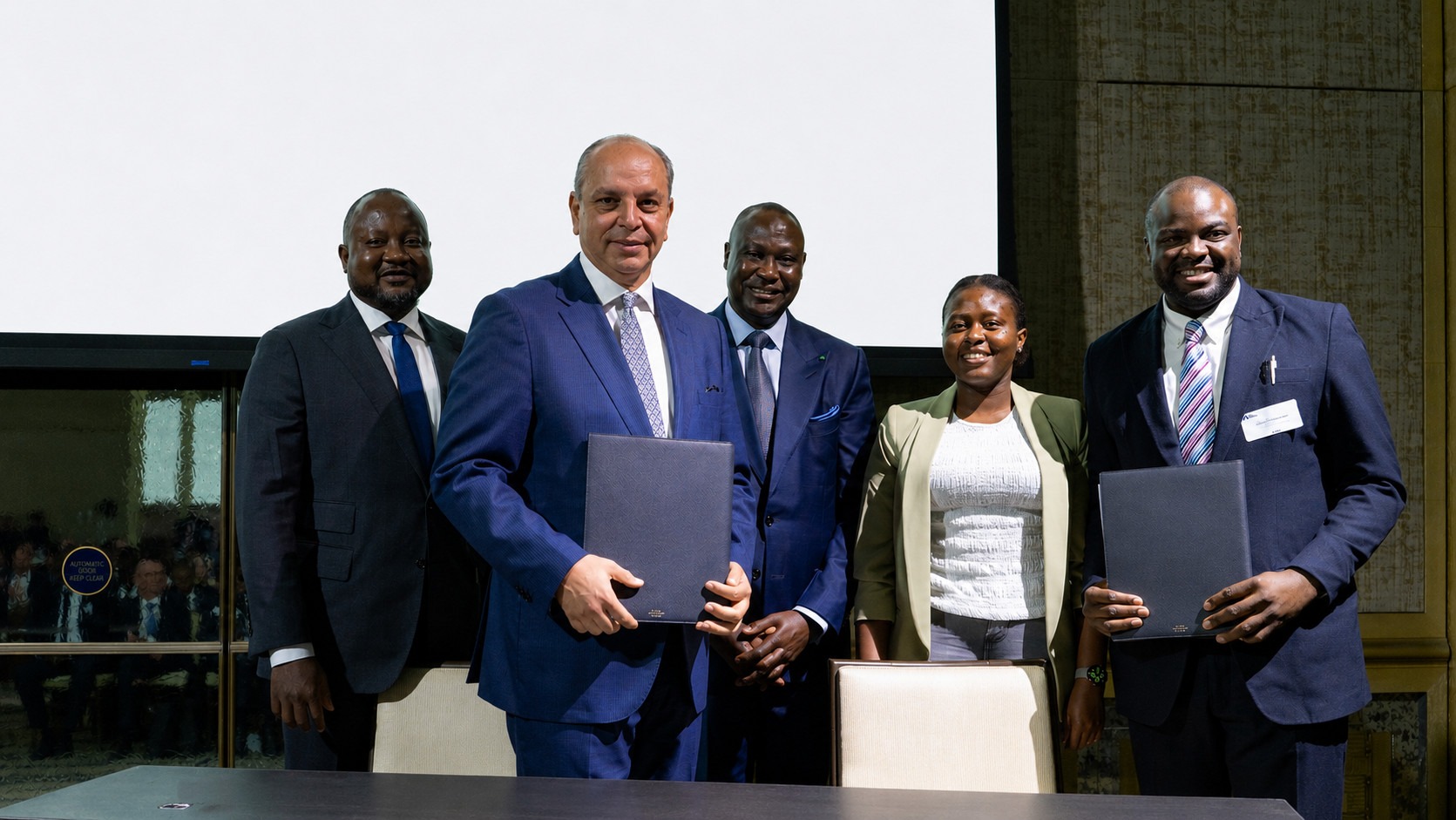
The Africa Finance Corporation (AFC) has approved a deployment of up to $100 million in catalytic capital targeting Africa-focused technology funds, with a deliberate emphasis on fund managers who are African-owned. The move marks a significant institutional signal at a time when local capital remains stubbornly underrepresented in the continent’s venture ecosystem.
AFC, founded in 2007 and headquartered in Lagos, was established to drive infrastructure and industrial investment across Africa. With 48 member states and more than $19 billion deployed across 36 countries since inception, the corporation carries institutional weight that smaller development players cannot match. Its decision to direct capital toward technology fund managers rather than individual companies reflects a deliberate effort to build the funding infrastructure that underpins the broader ecosystem.
What the Commitment Is Designed to Do
The core rationale goes beyond returns. AFC has framed the initiative as a response to a structural gap: African institutional investors, including pension funds and insurers, have largely remained on the sidelines of venture capital. By taking anchor positions in Africa-focused funds, the corporation intends to draw in more local institutional money and shift the ownership dynamics of the ecosystem over time.
Samaila Zubairu, president and chief executive of AFC, said in a statement that digital infrastructure now occupies the same foundational role for Africa’s economy as physical assets like roads and ports. He noted that technology adoption across the continent is accelerating faster than traditional infrastructure can support it, and that this gap represents an investment signal rather than a deterrent.
The First Commitments
Two funds have received initial anchor allocations. The first is Lightrock Africa Fund II, the second vehicle from Lightrock, a global impact-oriented growth investor with a well-established African portfolio that includes Nigerian fintech Moniepoint, South African SME lender Lula, and pan-African pay-as-you-go energy company M-KOPA. The second is Future Africa Fund III, the latest fund from Future Africa, a Lagos-based early-stage firm founded by Iyin Aboyeji that backs technology-driven businesses across the continent.
Together, the two commitments position AFC across different stages of the startup lifecycle, from early venture through to growth, though AFC has indicated these are the first tranche of a wider pipeline, with further fund commitments expected.
Pal Erik Sjatil, managing partner and chief executive of Lightrock, said the investment reflects a shared view on backing technology-enabled businesses with proven models and clear paths to profitability while also delivering measurable social and environmental outcomes.
Aboyeji, founding partner of Future Africa, framed the moment in broader terms. He argued that what African entrepreneurs now require is not simply capital but access to skills, productive assets, and expanded infrastructure—energy, connectivity, and computing capacity—to build competitive businesses at scale. He described AFC’s commitment as the anchor the current moment demands and expressed the expectation that development finance institutions, pension funds, and insurers would follow.
Reading the Signal
The announcement is notable for what it says about where institutional confidence in African tech currently sits. AFC is, in effect, using its balance sheet to validate a category that many local institutional investors have yet to meaningfully enter. Whether that validation translates into broader follow-on capital, particularly from African pension funds, which manage substantial assets but have low venture exposure remains to be seen.
What is clear is that the structural argument for Africa-focused tech investment has found a credible institutional backer, and one with the reach and standing to move others.