Okereke Innocent Chinweokwu: The Nigerian Albino Engineer Who Built a Business Operations Suite for African SMEs and Freelancers Because He Was Tired of Being Invisible

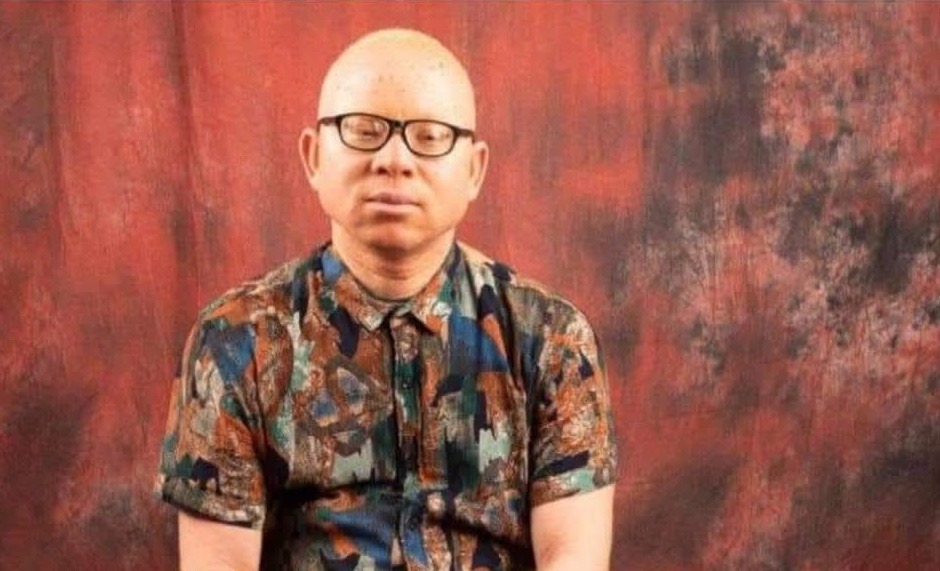
When Okereke Innocent Chinweokwu talks about visibility, he is not speaking in metaphors. He has lived the double burden of being unseen — as a person with albinism navigating Nigerian society, and as a skilled freelancer trapped inside a system that was simply not built for him. That lived experience became the foundation of Siiqo, a business operations platform designed for African freelancers and small business owners who are capable, hardworking, and quietly being failed by the tools everyone assumes they can use.
Chinweokwu’s path to building Siiqo did not begin in a boardroom or an incubator. It began with grief. When his father died shortly after he completed his engineering degree at the University of Nigeria, Nsukka, he sat with a degree, a loss, and a question he did not know how to answer: What next?
In Nigeria, that question carries real weight. There is no script. There is ambition, there is energy, and then there is the actual world — which is something else entirely.
The Loop With No Entry Point
Like many young Nigerians with digital skills, Chinweokwu turned to freelancing. Introduced by his friend Njoku, he opened accounts on Fiverr and Upwork, wrote his profile, listed his skills, and waited.
What he found was a system that appeared equal on the surface and was not. Freelancing platforms rank sellers by order history, reviews, and account age. New users sit at the bottom of every search result. To become visible, you need orders. To get orders, you need to be visible. It is a loop with no obvious entry point.
For Nigerian freelancers, that loop comes with extra layers. Currency conversion cuts into earnings before they arrive. African profiles face friction in certain markets that profiles from other regions do not encounter. Nobody announces this. You notice it slowly, in the pattern of who responds and who does not.
Then there is the portfolio problem. Clients want to see prior work. A personal website is the obvious solution — except building one requires time, money, and technical know-how that many people starting out simply do not have. And behind all of that is the payment problem: routing money from a foreign client into a Nigerian bank account, without losing a significant chunk to fees and conversion rates, is a weeks-long learning curve that comes with no guide and no clean answer.
Chinweokwu navigated all of it. Slowly. Painfully. Mostly by trial and error. He got clients eventually. But what stayed with him was not the success. It was the catalogue he had been building in his head — every point where the system broke down specifically for someone like him, in a place like Nigeria, starting from where he had started.
200 Messages. One Confirmation.
While freelancing as a writer, Chinweokwu began building websites and apps for SMEs and ventured deeper into tech. At one point, he ran a small Facebook ad targeted at Nigerian freelancers and small business owners, pointing it at a landing page for people who needed websites and tech solutions.
Over 200 messages came in. They were strangers — freelancers and SME owners from across Nigeria messaging to describe, in different words and different details, the exact same problems he had been living with. They could not get discovered. They had nowhere to properly show their work. Getting paid by customers felt risky for both sides. Managing a business across Instagram, WhatsApp, and spreadsheets was exhausting and unsustainable.
What struck him was not the volume but the specificity. People were not simply saying they had a problem. They were articulating it in detail. They had been living with it for years, had thought about it carefully, and had never found anyone who seemed to be listening.
“Having been there, I was listening.”
The Three Problems African SMEs Could Not Escape
The freelancers were not the only ones writing in. A significant portion of those 200-plus messages came from SME owners — people running small fashion brands, food businesses, service providers, and creative shops. Their problems rhymed with his but had their own shape.
Visibility was the first. Getting discovered online in Nigeria as a small business is either luck, money, or years of consistent effort building an audience from scratch. Most small businesses have none of those in reliable supply. So they stay invisible to anyone who does not already know them, growing only through referrals and walk-ins, which caps how far they can go.
Trust was the second. When a Nigerian buyer pays an online seller they have never met, they are taking a real risk. Scams are common enough that the caution is rational, not paranoid. Sellers face the same exposure in reverse: they ship, and sometimes payment does not come, or the buyer claims the item never arrived. Both sides of every transaction carry quiet fear, and nobody has built the infrastructure to resolve that at scale.
The third was the operational weight of running an online business manually. Orders through WhatsApp DMs. Payments via bank transfer with no paper trail. No invoicing system. No way to see at a glance what is selling, who is buying, or whether the business is actually growing. Just a constant stream of notifications and the anxiety of being one missed message away from something going wrong.
What Albinism Taught Him About Structural Exclusion
There is something Chinweokwu does not usually lead with, because he does not want it to become the only thing people hear.
He has albinism. Growing up in Nigeria with albinism is its own education in what it means to be unseen — and he means that in both directions. Too visible in some rooms, completely invisible in others. You learn early that systems are not built with you in mind. You learn to find your own way into spaces, to build your own credibility from scratch, to not wait for the infrastructure to include you because it probably will not.
He is not saying he built Siiqo because of his albinism. He is saying that growing up the way he did made certain things obvious to him that might have taken longer to see otherwise. The experience of being skilled and capable and still structurally excluded from the places where that skill would be valued — he knew that experience personally before he ever opened a Fiverr account. He recognised it immediately when he saw it happening to Nigerian freelancers and SMEs. It was not abstract to him. It was familiar.
That recognition, and the commitment to addressing it through hyperlocal features in Siiqo, is central to what makes the platform different from a generic tools play.
Building Siiqo: Every Feature Has a Source
The platform is called Siiqo. Chinweokwu did not set out to build a startup. He set out to build the thing he wished had existed when he needed it — and that the 200-plus people who messaged him clearly needed too.
The premise is direct: a Nigerian freelancer or small business owner should be able to set up a professional online presence, get discovered by people who need what they offer, get paid safely, and manage their operations — all in one place, without needing to be a developer, a marketer, an accountant, or a graphic designer to do it.
Every feature in Siiqo traces back to a specific, documented problem that real people described. Branded storefronts address the portfolio gap — because telling people to “just build a website” is not a solution. Local discoverability means you should not need an advertising budget to be found by people in your area who need what you do. Escrow-protected payments exist because the trust problem between buyers and sellers in Nigeria is real, and the answer is not to tell people to trust more — it is to build a system where trust is not required. Automatic invoicing ensures every transaction generates a professional record, not a WhatsApp screenshot. Order management replaces a workflow built on notifications with something closer to an actual operating model.
None of it came from a market research report. It came from lived experience — his own, and that of hundreds of people who took the time to describe theirs.
The Story African Tech Keeps Skipping
Chinweokwu is clear that telling this story is not about promoting a product. The product exists and people can find it.
He is telling it because the conversation about African tech and African entrepreneurship tends to skip the most interesting part: the moment before the funding round, before the press release, before the “startup success” label gets applied. The moment when someone personally frustrated by a broken system decides the most useful thing they can do is fix it.
That moment, for him, came after his father died and he was sitting with a degree and an unanswered question. It came during the months of freelancing where he catalogued every broken thing. It came in the inbox full of messages from strangers who described his experience back to him with more clarity than he had managed himself.
Nigeria has tens of millions of small businesses and freelancers who are genuinely skilled, genuinely hardworking, and genuinely held back by infrastructure that was not built for them. That is not a niche problem. It is one of the most significant economic stories on the continent, and it continues to receive far less attention than it deserves.
Chinweokwu is not building Siiqo because he had a vision in the shower one morning. He is building it because he lived the problem, heard it from hundreds of others, and had the skills to do something about it.
That, as he puts it, is the whole story.
Okereke Innocent Chinweokwu is the founder of Siiqo, a business operations platform for African freelancers and SMEs. He is an engineer and a graduate of the University of Nigeria, Nsukka.