
How Kenya’s MediaKits Is Equipping African Creators to Turn Influence into Income

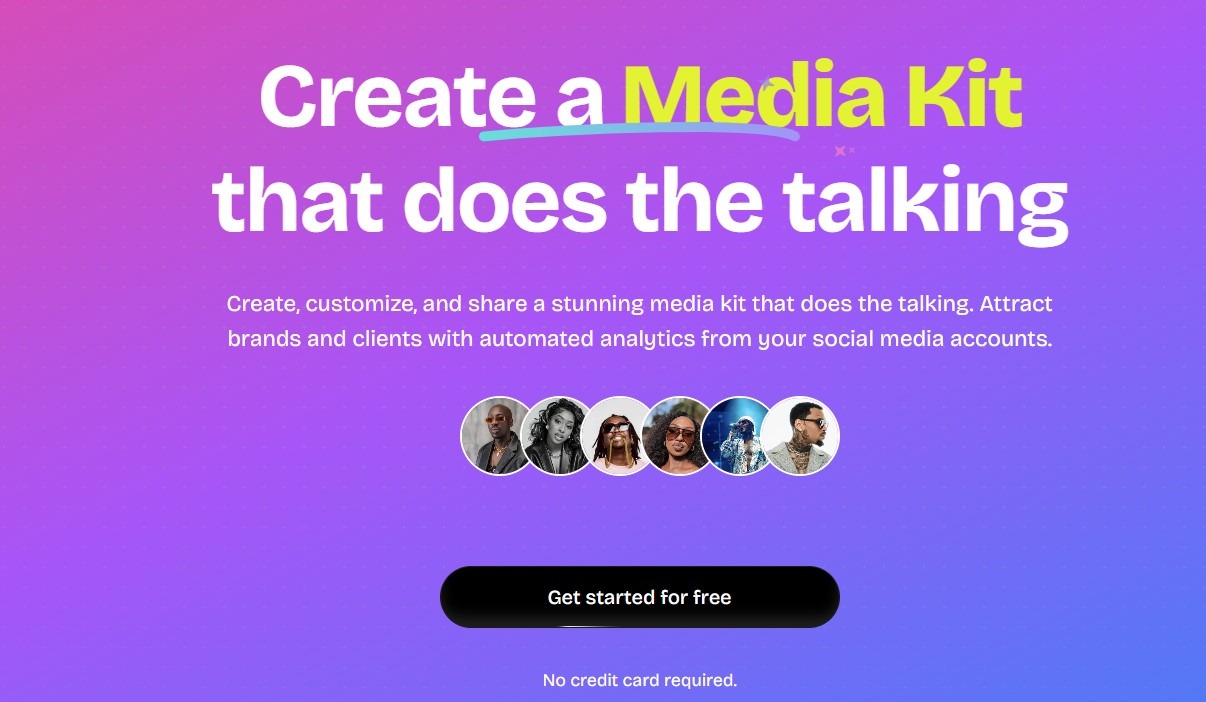
As Africa’s creator economy matures, a familiar gap is becoming harder to ignore. While creators across the continent command loyal audiences and cultural influence, many still lack the tools to run their work like a business. A Kenyan startup, MediaKits, is positioning itself to address that problem by giving creators a structured way to present, manage and monetise their output.
Founded in Nairobi, MediaKits has built a software platform that allows creators to generate dynamic media kits, track performance data, manage brand collaborations and handle invoicing from one place. The idea is simple but timely: creators are increasingly treated as commercial partners by brands, yet most still rely on screenshots, PDFs and manual processes to prove their value.
Turning creators into media businesses
In markets such as Kenya and Nigeria, creators often operate informally, even when they attract significant engagement. This creates friction for brands and agencies that want reliable data, consistent reporting and clear commercial terms.
MediaKits aims to bridge that gap. The platform enables users to showcase real-time audience metrics, engagement data and past collaborations in a professional format that updates automatically. Rather than acting as a marketplace that sits between creators and brands, MediaKits focuses on giving creators tools to manage those relationships directly.
Kevin Okeyo, founder and chief executive officer of MediaKits, has said the company is responding to a mismatch in expectations. Creators are expected to behave like businesses, while brands expect structure and accountability, yet the infrastructure to support that relationship has been largely absent.
By consolidating analytics, presentation and operational tools, the startup is betting that creators will be better positioned to negotiate partnerships and build sustainable income streams.
Early traction across multiple markets
Launched in 2025, MediaKits has recorded early adoption beyond East Africa. The company reports close to 10,000 users spread across more than 70 markets, reflecting the global nature of creator work even when platforms are built locally.
Revenue remains modest but growing. The startup has generated around US$30,000 so far, with a reported pipeline of about US$90,000 from inbound interest and users on its waitlist. Its business model includes a free tier for creators starting out, paid subscriptions for advanced features, and licensing options for agencies and larger organisations that work with multiple creators.
This tiered approach mirrors a broader shift within Africa’s SaaS sector, where software businesses increasingly rely on recurring subscriptions rather than one-off payments.
Why this matters for Africa’s creator economy
Across the continent, creators are experimenting with different monetisation paths. Some rely on platform payouts from YouTube, TikTok or Facebook, where eligibility thresholds can be hard to reach. Others supplement income through brand partnerships, affiliate marketing, digital products or training programmes.
In Nigeria, for example, many creators combine content creation with consulting, speaking or product sales. Yet securing brand deals often depends on how clearly creators can demonstrate reach, audience quality and past results.
That is where structured tools such as media kits play a role. A well-presented, data-driven profile can influence whether a creator is taken seriously by agencies and corporate partners, particularly as competition increases.
MediaKits is not alone in this space globally, but its focus on ownership and control, allowing creators to manage their own data and relationships, aligns with the realities of African markets, where creators often prefer flexibility over rigid platforms.
A growing need for professional infrastructure
The rise of platforms like MediaKits reflects a broader evolution. As the creator economy becomes more commercial, informal systems are giving way to professional infrastructure. Creators are no longer just individuals with audiences; many are small media businesses in practice.
For African creators, tools that simplify operations without adding complexity could be key to long-term sustainability. And for brands, better structure reduces risk and improves collaboration.
MediaKits’ progress suggests there is demand for this kind of solution, even at an early stage. Whether it can scale alongside Africa’s fast-moving creator economy remains to be seen, but the problem it is tackling is unlikely to disappear anytime soon.